
How to Fix Dry Crumbly No Bake Cookies
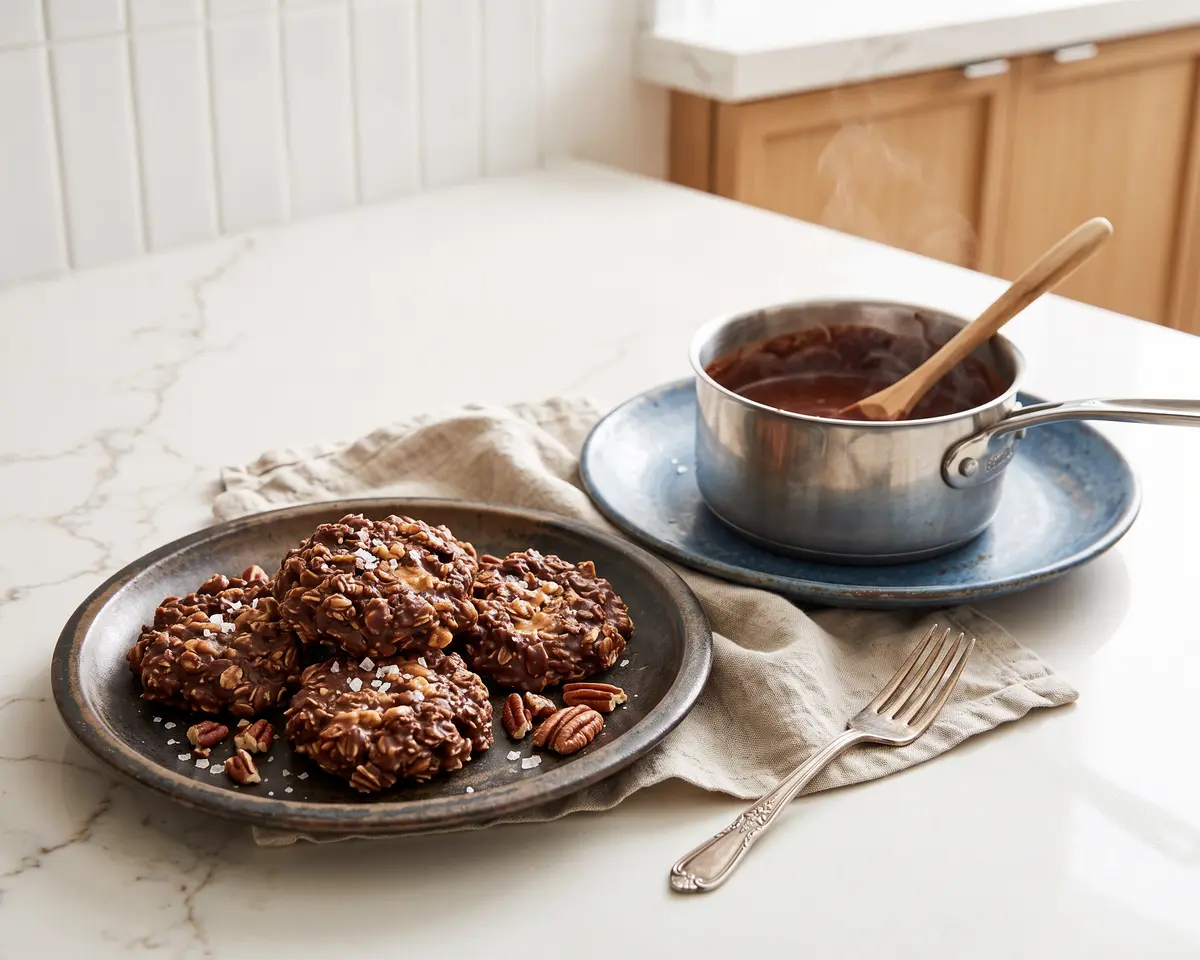
Dry crumbly no bake cookies happen when the mixture boils too long or has too many oats. Here’s how to fix them now and prevent it next time.
Dry crumbly no bake cookies are frustrating, especially when you’ve been looking forward to that fudgy, chewy bite. The good news? You can rescue most batches right now, and with a few tweaks, you’ll never have the problem again.
I’ve made this mistake more times than I’d like to admit. One Sunday afternoon, I was rushing to get cookies done before friends came over, and I let the sugar mixture boil a full minute too long. The cookies came out sandy and fell apart the second I touched them. I almost threw the whole batch out, but then I remembered a trick my aunt used when her fudge seized up, and it worked like magic.
The culprit is almost always over-boiling or too many oats. When the sugar mixture boils past the right temperature, the sugar crystallizes and the cookies dry out. Add too many oats, and there’s not enough wet mixture to hold everything together. But once you know what went wrong, the fix is simple.
Key Takeaways:
- Boil the sugar mixture for exactly 60 seconds after it reaches a full rolling boil
- Use a timer every single time to avoid over-boiling
- The correct ratio is 3 cups oats to one batch of sugar mixture
- You can rescue dry cookies by adding a tablespoon of milk and reheating gently
- Store finished cookies in an airtight container to keep them soft
Table of Contents
Why Dry Crumbly No Bake Cookies Happen
No bake cookies are a delicate balance of sugar, fat, and oats. When that balance tips even slightly, the texture goes from fudgy to crumbly in seconds.
The sugar mixture needs to hit soft-ball stage, which happens around 235°F to 240°F. If you boil it too long, the temperature climbs higher, the water evaporates, and the sugar starts to crystallize. Once that happens, the mixture can’t coat the oats properly. Instead of binding everything into chewy clusters, it hardens into a dry, grainy mess.
Too many oats create the same problem from the opposite direction. If you add more than 3 cups of oats to a standard batch, there’s not enough liquid to go around. Each oat flake stays dry and loose, and the cookies crumble the moment you pick them up.
Humidity plays a role too. On a rainy day, the sugar mixture absorbs moisture from the air and takes longer to set. On a bone-dry winter day, it sets too fast and you lose your working window. That’s why a timer is your best friend.
How to Fix Them Right Now
If your cookies are already made and they’re dry and crumbly, you can still save them. This works best if the cookies are still warm or just barely set.
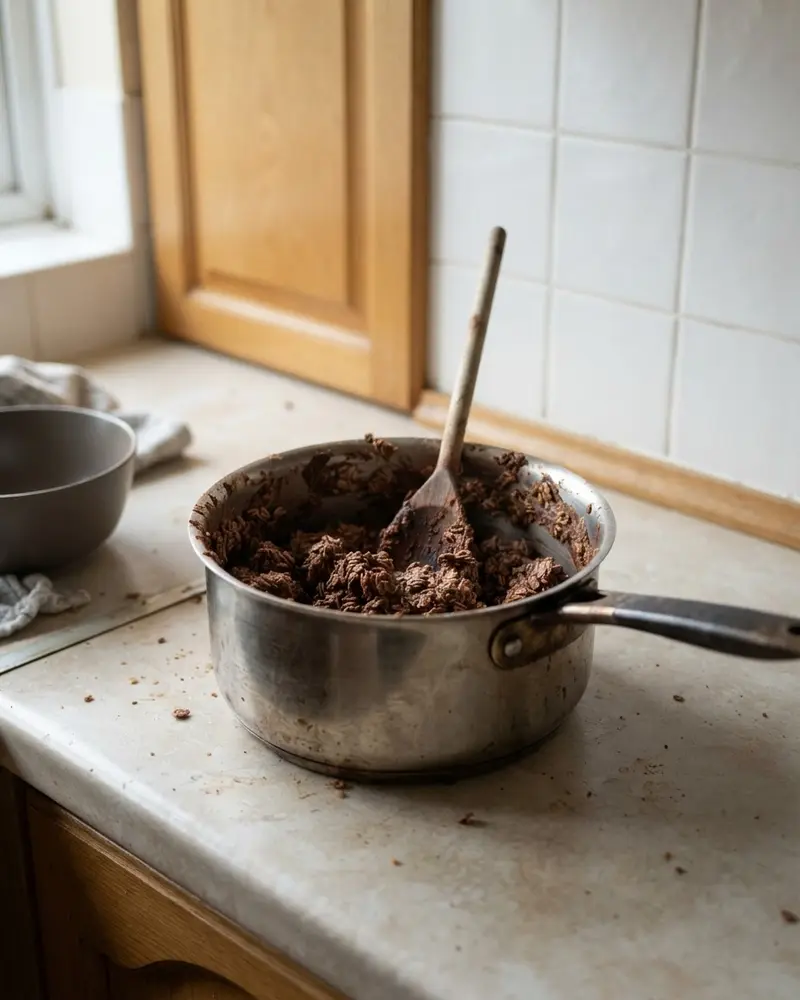
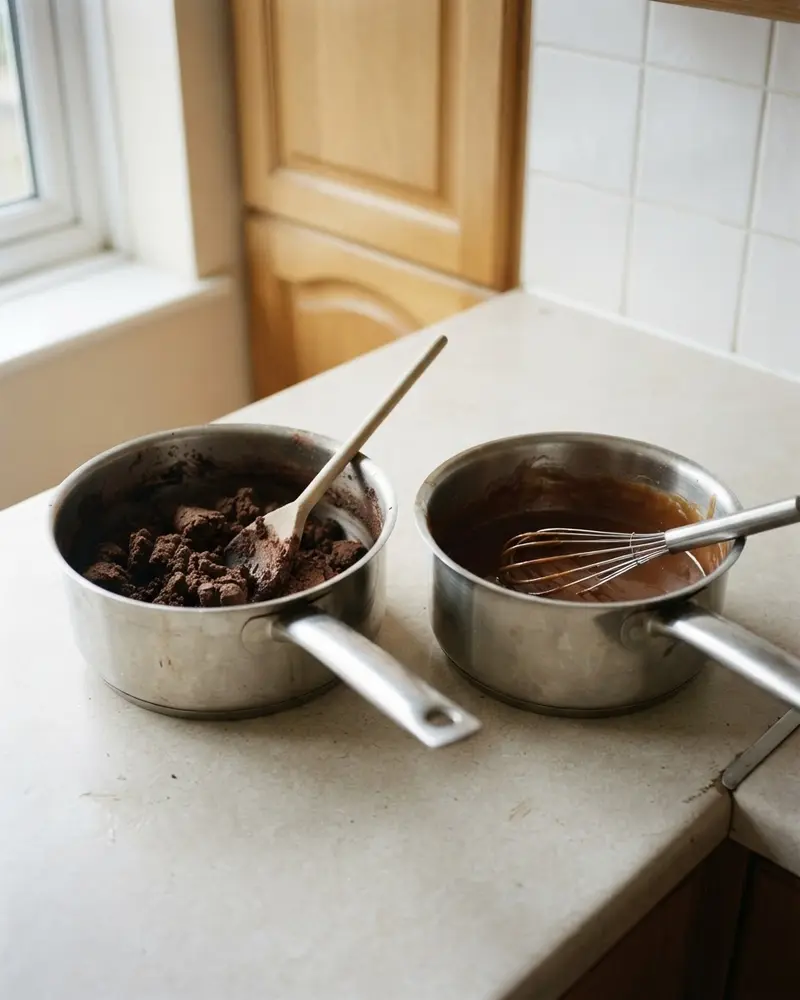
Scrape all the crumbly mixture back into your saucepan. Add 1 tablespoon of milk and 1 tablespoon of butter. Heat it over low heat, stirring constantly, until everything melts back together into a glossy mixture. It should look smooth and coat the spoon.
Once it’s smooth, drop the cookies again onto waxed paper and let them set. They’ll firm up softer and chewier this time. I’ve done this at least a dozen times, and it works every single time as long as you catch it before the cookies have been sitting out for hours.
If the cookies have already hardened completely, you can crumble them up and use them as an ice cream topping or mix them into a milkshake. They won’t come back together at that point, but they still taste great.
How to Prevent It Next Time
The best fix is not needing one in the first place. Here’s exactly what I do now, every single time, and I haven’t had a crumbly batch since.
Use a timer. The second your sugar mixture hits a full rolling boil, set a timer for 60 seconds. Not 90 seconds, not until it looks right. Exactly 60 seconds. Then pull it off the heat immediately.
Measure your oats. Use a dry measuring cup and level it off. Three cups of old-fashioned oats is the magic number for a standard batch. Quick oats absorb more liquid, so if you’re using those, drop it to 2 and three-quarter cups.
Stir fast once you add the oats. The mixture starts to set the second it comes off the heat. Add your oats and peanut butter, then stir hard and fast until everything is coated. If you stir too slowly, the mixture will start to harden in the pot and your cookies will be uneven.
Drop them immediately. Don’t wait. The mixture thickens as it cools, and if you wait too long, it’ll be too stiff to scoop. I keep my waxed paper ready on the counter before I even start cooking.
Don’t cook them on a humid day if you can help it. If you have to, add an extra 15 seconds to your boil time. The extra moisture in the air means the sugar mixture needs a little more heat to reach the right stage.
The Science Behind the Fix
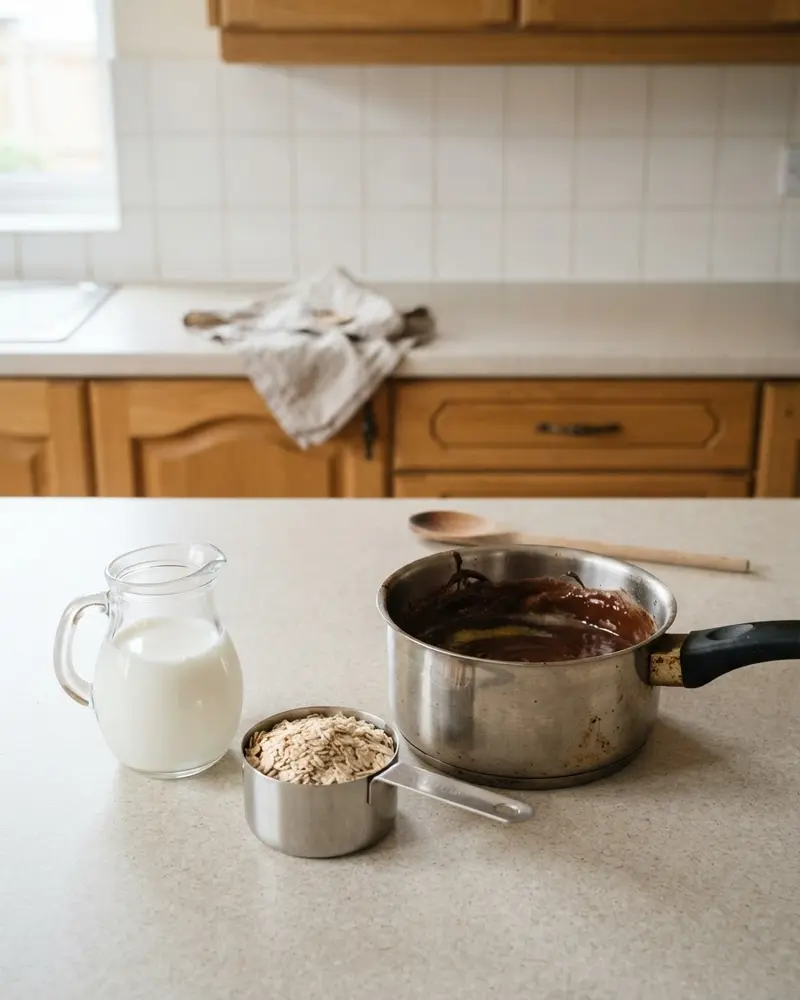
Understanding why the fix works makes it easier to get it right every time. No bake cookies are essentially a cooked candy base mixed with oats. The sugar and butter mixture goes through specific stages as it heats, and soft-ball stage is the sweet spot for chewy cookies.
At soft-ball stage, the sugar is fully dissolved and the mixture has enough structure to hold the oats together, but it’s still pliable. If you go past that into firm-ball or hard-ball stage, the sugar crystallizes and the mixture becomes brittle. That’s when you get the dry, crumbly texture.
The oats are just a carrier. They don’t add moisture, they absorb it. So if your ratio is off, or if the sugar mixture is too dry to begin with, the oats can’t do their job.
Smart Substitutions
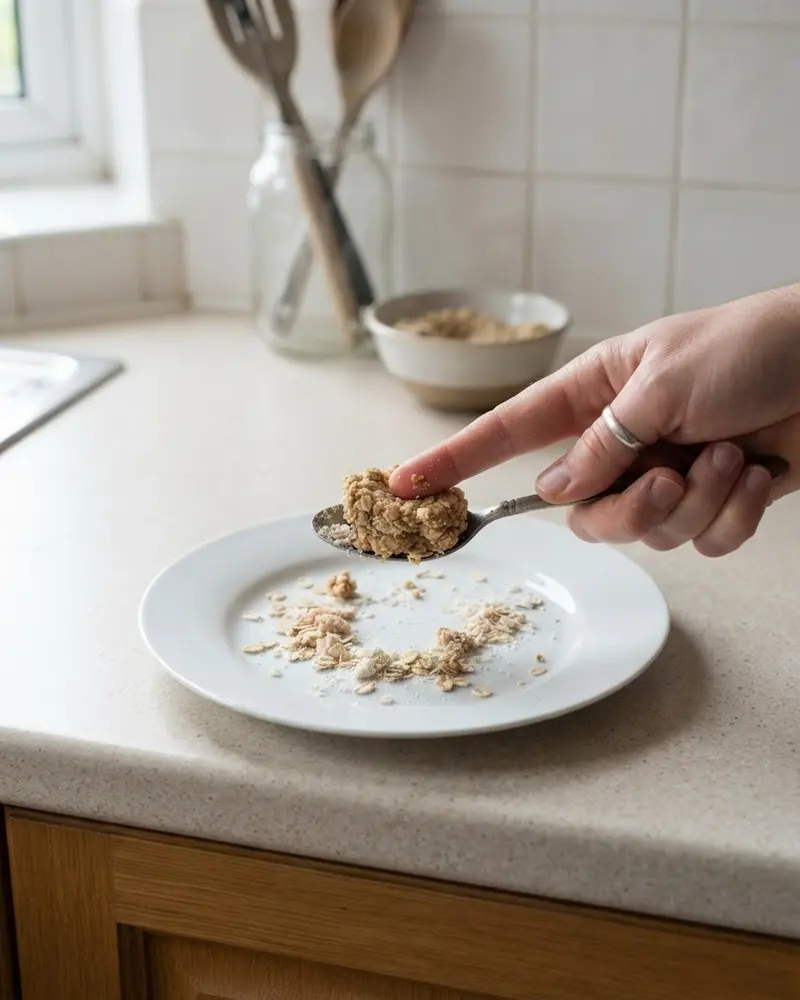
If you don’t have old-fashioned oats, quick oats work, but use less. Start with 2 and three-quarter cups and see how the mixture looks. Quick oats are thinner and absorb liquid faster, so too much will make the cookies dry even if your boil time is perfect.
You can swap almond butter or sunflower seed butter for peanut butter. The texture will be slightly different because nut butters have different fat contents, but the same rules apply. Stick to your 60-second boil and measure carefully.
Coconut oil can replace some of the butter if you want a dairy-free version. Use half butter and half coconut oil so the cookies still set properly. All coconut oil makes them too soft.
Make-Ahead Tips
No bake cookies are best the day you make them, but they’ll keep for three to four days in an airtight container at room temperature. Layer them between sheets of waxed paper so they don’t stick together.
If they start to dry out after a day or two, tuck a slice of bread into the container with them. The cookies will absorb a little moisture from the bread and soften back up. I learned that trick from my grandma and it’s saved more than one batch.
You can freeze them for up to a month. Let them thaw at room temperature for about 20 minutes before you eat them. They’ll taste just as good as fresh.
Common Mistakes and How to Avoid Them
Even when you know the rules, it’s easy to slip up. Here are the mistakes I see most often, and how to dodge them.
Not using a timer. Eyeballing the boil time is the number one reason cookies fail. A rolling boil looks the same at 45 seconds and 90 seconds, but the internal temperature is completely different. Always use a timer.
Stirring during the boil. Once your mixture hits a boil, leave it alone. Stirring can cause the sugar to crystallize on the sides of the pan, and those crystals will spread through the whole batch. Let it boil untouched for the full 60 seconds.
Using a pan that’s too small. The mixture needs room to boil without boiling over. Use at least a 2-quart saucepan. If the pan is too small, the mixture will climb up the sides and you’ll lose some of it, which throws off your ratios.
Adding the oats too slowly. Dump them in all at once and start stirring immediately. If you sprinkle them in a little at a time, the mixture will start to set before you’re done and the cookies will be uneven.
What to Do with Failed Batches
If your cookies are too far gone to fix, don’t throw them out. Crumble them over vanilla ice cream. Mix them into a milkshake. Fold them into brownie batter before you bake it. Or press the crumbles into the bottom of a pan, top with whipped cream and fresh berries, and call it a no-bake cookie icebox cake.
I’ve also stirred crumbled no bake cookies into yogurt for breakfast. The texture is a little gritty, but the flavor is still there, and it feels less wasteful than tossing them.
Troubleshooting Other Texture Problems
Dry and crumbly is the most common problem, but sometimes no bake cookies go wrong in other ways.
Too soft and sticky: You didn’t boil long enough. The mixture needs the full 60 seconds to reach soft-ball stage. If you pull it off early, it won’t set. You can scrape them back into the pan, bring it back to a boil, and boil for another 30 seconds.
Grainy texture: The sugar crystallized, usually because you stirred during the boil or because there was a sugar crystal on the side of the pan. Next time, wipe down the sides of the pan with a wet pastry brush right after the mixture starts boiling.
Cookies won’t set at all: This happens if you didn’t boil long enough or if you added too much peanut butter. Scrape everything back into the pan, add 2 tablespoons of cocoa powder to absorb some of the extra fat, and heat it gently until it thickens.
Wrapping It Up
Dry crumbly no bake cookies are fixable, and once you know what causes them, they’re easy to prevent. Stick to your 60-second boil, measure your oats, and work fast once the mixture comes off the heat. Those three things will give you perfect cookies every single time.
The next time you make a batch, set that timer and trust the process. You’ll end up with chewy, fudgy cookies that hold together and taste exactly the way they’re supposed to. And if something goes wrong, you know exactly how to fix it.
Give it a try this weekend. Let me know in the comments which tip helped you the most, and save this to your Pinterest board so you have it next time you need it.
The fat from the butter and peanut butter is what keeps everything soft. When you over-boil, some of that fat separates out and the emulsion breaks. Adding a little extra milk and butter when you reheat brings the emulsion back together. According to Serious Eats, controlling your boil time is the single most important factor in candy-based recipes like this.
Frequently Asked Questions
Why are my no bake cookies dry and crumbly?
Your no bake cookies are dry and crumbly because the sugar mixture boiled too long or you added too many oats. Over-boiling causes the sugar to crystallize and the mixture to dry out. Too many oats means there isn’t enough liquid to bind everything together. Boil for exactly 60 seconds after the mixture reaches a rolling boil, and measure your oats carefully.
Can I fix no bake cookies that are already crumbly?
Yes, you can fix crumbly no bake cookies if you catch them while they’re still warm. Scrape the mixture back into your saucepan, add 1 tablespoon each of milk and butter, and reheat over low heat while stirring constantly. Once the mixture is smooth and glossy, drop the cookies again onto waxed paper. They’ll set up softer and chewier the second time.
How long should I boil no bake cookies?
Boil the sugar mixture for exactly 60 seconds after it reaches a full rolling boil. Use a timer to be precise. Boiling too long drives off too much moisture and causes the sugar to crystallize, which makes the cookies dry and crumbly. Boiling too little means the mixture won’t set properly and the cookies will stay soft and sticky.
How much oats do I use in no bake cookies?
Use exactly 3 cups of old-fashioned oats for a standard batch of no bake cookies. If you’re using quick oats, reduce it to 2 and three-quarter cups because quick oats absorb more liquid. Too many oats will make your cookies dry and crumbly because there won’t be enough sugar mixture to coat and bind them.
How do I keep no bake cookies from drying out after I make them?
Store no bake cookies in an airtight container at room temperature, layered between sheets of waxed paper. They’ll stay soft for three to four days. If they start to dry out, place a slice of bread in the container with them and the cookies will absorb a little moisture from the bread and soften back up.


