No Bake Cookies Not Setting?
No bake cookies not setting? Learn exactly why it happens and how to fix your batch right now, plus foolproof tips to nail them every time.
No bake cookies not setting is one of the most frustrating kitchen moments. You follow the recipe, stir the pot, drop the cookies onto wax paper, and then… nothing. An hour later they’re still sticky puddles instead of chewy, fudgy rounds you can actually pick up. I’ve been there more times than I want to admit, standing at the counter poking a gooey blob with my finger, wondering what went wrong.
The good news? This problem has a clear cause and a simple fix. Once you understand the science behind no bake cookies, you’ll never waste another batch. Whether your cookies are sitting in a sad pool right now or you want to avoid the mess next time, this guide walks you through exactly what happened and how to rescue them.
Key Takeaways
- No bake cookies set when the sugar mixture reaches a full rolling boil for 60 seconds
- Undercooking the sugar syrup is the #1 reason cookies stay sticky
- You can often rescue a runny batch by reheating and re-boiling the mixture
- Humidity and ingredient swaps (like margarine for butter) also affect texture
- A candy thermometer takes the guesswork out and guarantees success
Table of Contents
Why This Guide Works (The Secret to Success)
No bake cookies aren’t really cookies in the traditional sense. They’re a cooked candy mixture poured over oats, then left to cool and firm up on the counter. The magic happens when sugar, butter, milk, and cocoa boil together long enough to reach what bakers call the soft-ball stage.
That stage is a specific temperature where the sugar concentration is high enough to crystallize as it cools, turning your sticky syrup into a chewy, sliceable texture. Miss that window by even 30 seconds and you end up with a spreadable mess instead of a cookie.
This guide breaks down the exact science so you know what to look for, then gives you two clear paths: how to fix the batch you just made, and how to nail it perfectly next time.
The Root Cause Explained (Why It Happens)
No bake cookies rely on sugar crystallization to set. When you boil sugar, butter, milk, and cocoa together, the water evaporates and the sugar concentration climbs. At the right temperature, the mixture forms a stable structure that holds its shape when cool.
If you pull the pan off the heat too soon, there’s still too much liquid in the mixture. The sugar never reaches the concentration it needs to firm up, so your cookies stay soft and sticky no matter how long you wait.
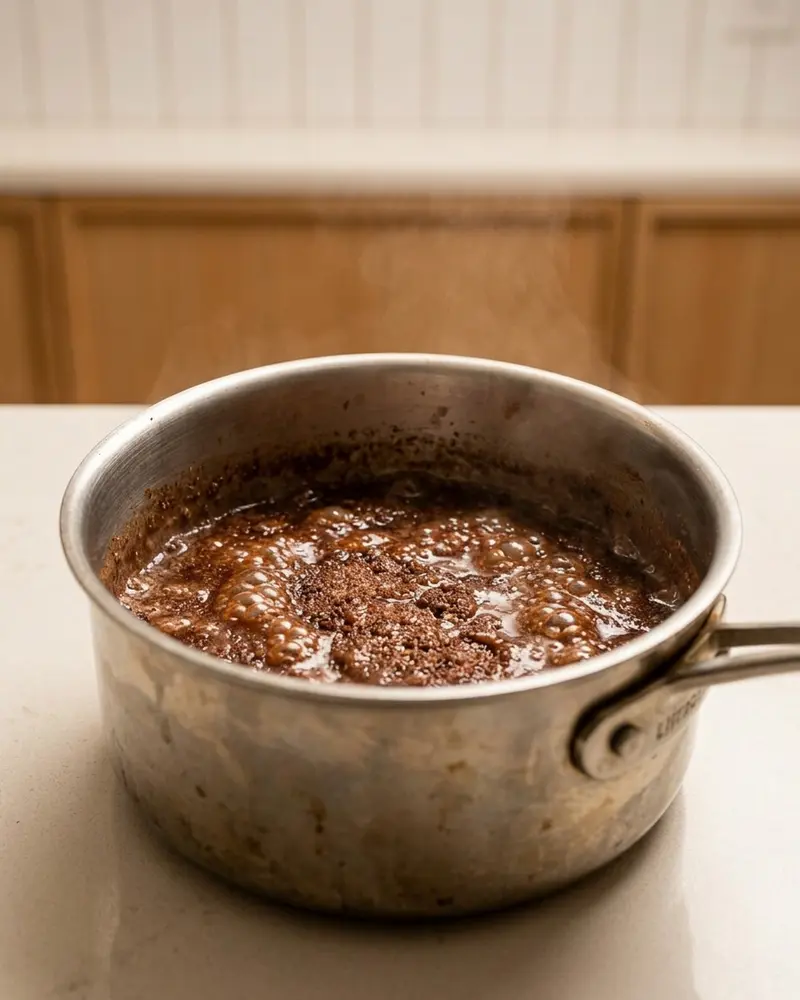
The target is a full rolling boil that you can’t stir down, held for a full 60 seconds. Most recipes say “bring to a boil,” but they mean a vigorous, bubbling boil that covers the whole surface of the pan. A few lazy bubbles around the edge don’t count.
Altitude and humidity also play a role. If you live above 3,000 feet, water boils at a lower temperature and you need to boil longer to hit the same sugar concentration. High humidity adds moisture to the air, which the cookies can absorb as they cool, making them softer than usual.
Ingredient swaps are another common culprit. Margarine has more water than butter, and that extra moisture throws off the ratio. Skim milk instead of whole milk, or a natural peanut butter that separates, can also change the texture.
How to Fix It Right Now (Salvaging Your Batch)
If your cookies are sitting on the counter in sticky puddles, you can often rescue them. Scrape everything back into the saucepan, add two tablespoons of milk, and bring it back to a full rolling boil. This time, set a timer and boil for a full 60 seconds, watching for big bubbles that cover the entire surface.
Stir constantly so nothing scorches on the bottom. When the timer goes off, pull the pan off the heat, stir in your peanut butter and vanilla, then drop fresh spoonfuls onto clean wax paper. They should firm up within 20 minutes this time.
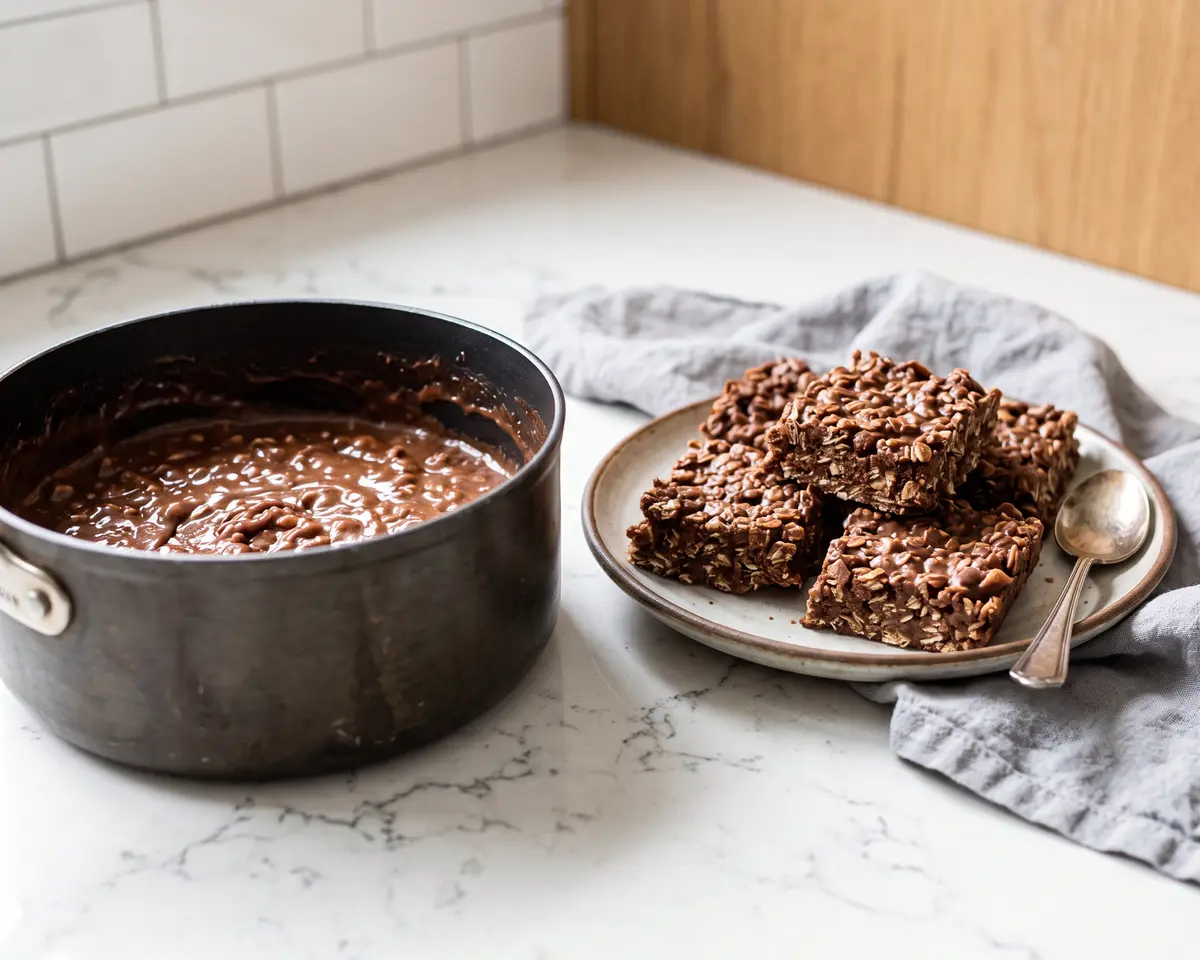
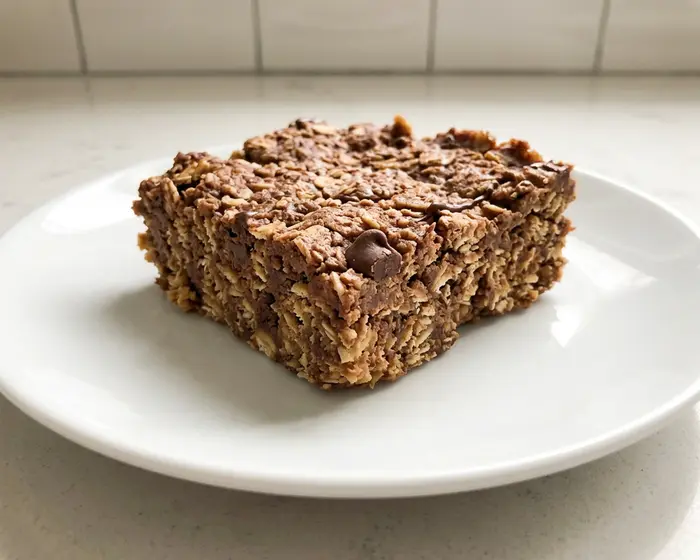
If they’re still too soft after the second try, the mixture likely didn’t have enough sugar to begin with, or you’re dealing with high humidity. At that point, embrace it: press the mixture into a greased pan, chill it in the fridge, and cut it into bars instead. They’ll taste just as good, and no one will know they started as a cookie fail.
Another option is to stir in an extra half-cup of oats or some crushed graham crackers to absorb the extra moisture. It changes the texture slightly, but it’s better than tossing the batch.
How to Prevent It Next Time (Foolproof Checklist)
The single best investment for no bake cookies is a candy thermometer. Clip it to the side of your saucepan and boil the mixture until it hits 230°F (110°C). At that temperature, you’re in the soft-ball stage and your cookies will set every time.
If you don’t have a thermometer, use the timer method: bring the mixture to a full rolling boil, then boil for exactly 60 seconds without stirring. A rolling boil means you see big bubbles all over the surface that don’t stop when you stir.
Use real butter, not margarine, and whole milk instead of skim. The fat content matters for texture and flavor. Stick to creamy peanut butter unless the recipe specifically calls for natural; natural peanut butter has more oil and less structure.
Measure your ingredients carefully. Too much milk or peanut butter dilutes the sugar concentration, and your cookies won’t firm up no matter how long you boil. Level off your measuring cups and spoons instead of eyeballing.
Make cookies on a dry day if you can. If it’s pouring rain or humid, your cookies will take longer to set and might stay a little softer. That’s not a dealbreaker, but it’s something to keep in mind if you’re making them for a party or gift.
What’s the Best Way to Store No Bake Cookies Once They Set?
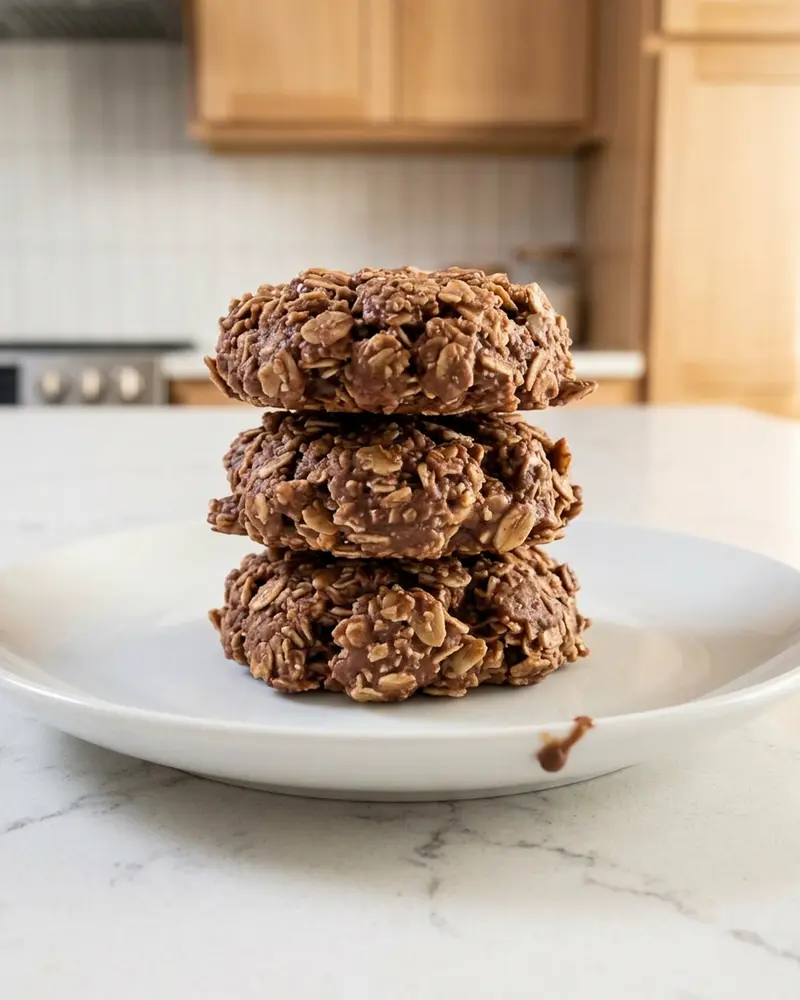
Once your no bake cookies firm up, stack them in an airtight container with wax paper between the layers so they don’t stick together. They’ll keep at room temperature for about five days, or you can refrigerate them for up to two weeks if you want a firmer, fudgier texture.
Don’t leave them sitting out uncovered. They’ll absorb moisture from the air and turn sticky again, especially in humid weather. If you’re gifting them or taking them to a party, pack them in a sealed container until the last minute.
You can also freeze no bake cookies for up to three months. Let them thaw at room temperature for about 20 minutes before serving. They taste just as good as fresh.
Smart Swaps and Flavor Variations
Peanut-Free Version
Swap the peanut butter for almond butter, sunflower seed butter, or even Nutella. Sunflower seed butter is the best choice if you’re dealing with nut allergies; it has a similar texture and the cookies set just as well. Nutella makes them sweeter and more dessert-like, so you might want to cut the sugar by a couple of tablespoons.
Extra-Chocolatey Twist
Stir in a handful of mini chocolate chips or chopped dark chocolate right after you add the oats. The residual heat will melt them slightly, giving you pockets of gooey chocolate throughout. You can also swap half the cocoa powder for melted chocolate, but reduce the butter by a tablespoon to keep the texture right.
Add-Ins for Crunch
Toss in chopped pecans, slivered almonds, or toasted coconut along with the oats. A quarter-cup is enough to add texture without overwhelming the base flavor. Crushed pretzels or toffee bits also work if you want a sweet-and-salty vibe.
Can I Make No Bake Cookies Without a Candy Thermometer?
Yes, you absolutely can. The timer method works just as well if you know what to look for. Bring your mixture to a full rolling boil, where big bubbles cover the entire surface and don’t stop when you stir. Boil for exactly 60 seconds, then pull it off the heat.
The key is not to second-guess yourself. If you pull it early because you’re worried about scorching, your cookies won’t set. Trust the timer and keep the heat steady.
If you want extra insurance, you can do the cold-water test. Drop a small spoonful of the hot mixture into a glass of cold water. If it forms a soft ball that flattens when you press it, you’re at the right stage. If it dissolves or stays syrupy, keep boiling.
Why Do My No Bake Cookies Turn Out Grainy?
Grainy texture usually means the sugar crystallized too fast or unevenly. This happens if you stir the mixture too much after it starts boiling, or if there are sugar crystals stuck to the side of the pan that fall back into the mixture.
To avoid it, wipe down the sides of the pan with a wet pastry brush right after the mixture starts boiling. Don’t stir constantly; just give it an occasional swirl to keep it from scorching on the bottom.
If your cookies are already grainy, there’s not much you can do to fix them, but they’re still perfectly edible. The flavor is the same, and some people actually prefer a little texture.
Can I Use Quick Oats Instead of Old-Fashioned Oats?
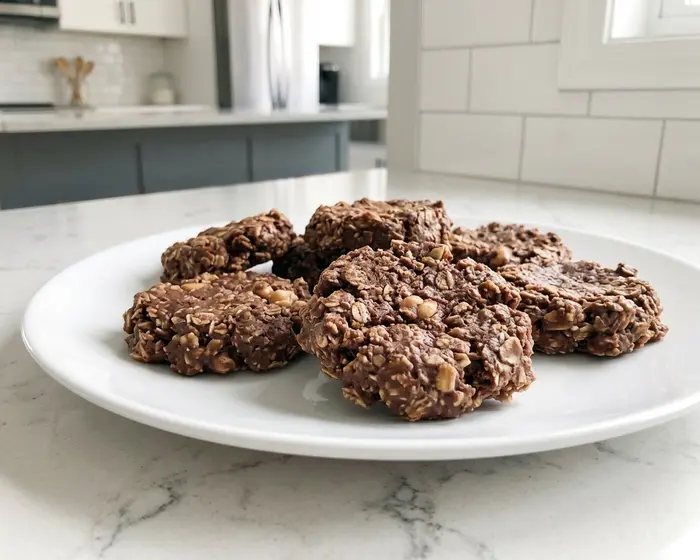
You can, but the texture will be softer and less chewy. Quick oats are thinner and more processed, so they absorb liquid faster and don’t hold their shape as well. Your cookies might turn out a little mushier, especially if the mixture is on the wet side.
If quick oats are all you have, use them, but consider adding an extra quarter-cup to help absorb the moisture. Old-fashioned oats give you the best texture, with distinct oat pieces and a satisfying chew.
Steel-cut oats don’t work at all. They’re too hard and won’t soften in the time it takes the cookies to set.
How Long Do No Bake Cookies Take to Set?
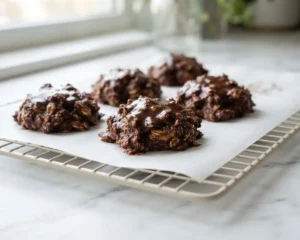
If you boiled the mixture long enough, no bake cookies should firm up in about 20 minutes at room temperature. They’ll still be slightly soft to the touch but firm enough to pick up without falling apart.
If they’re still sticky after 30 minutes, they probably didn’t reach the right temperature. You can speed things up by sliding the wax paper into the fridge, but that won’t fix undercooking. The cookies will firm up in the cold, but they’ll turn gooey again as soon as they warm up.
On a hot or humid day, they might take closer to 45 minutes to fully set. Be patient and resist the urge to move them before they’re ready.
No bake cookies are one of those recipes that seem simple until they’re not. But once you understand the science and know what to look for, they’re as foolproof as any cookie you’ll ever make. Boil the mixture long enough, measure carefully, and don’t rush the process. If your current batch didn’t set, try the reheat method and give it another 60 seconds at a full boil.
Chances are, you’ll end up with perfect cookies this time.
Now it’s your turn. Have you ever had a no bake cookie disaster? What did you do to fix it? Drop a comment below and let me know. And if this guide helped you rescue a batch, save it to your Pinterest board so you can find it next time.
For a detailed breakdown of ingredient ratios and step-by-step photos, check out the resource at Serious Eats for more on sugar crystallization and candy-making techniques.
No Bake Cookies Not Setting? FAQs
Can I make no bake cookies without a candy thermometer?
Yes, you absolutely can. The timer method works just as well if you know what to look for. Bring your mixture to a full rolling boil, where big bubbles cover the entire surface and don’t stop when you stir. Boil for exactly 60 seconds, then pull it off the heat. The key is not to second-guess yourself.
Why do my no bake cookies turn out grainy?
Grainy texture usually means the sugar crystallized too fast or unevenly. This happens if you stir the mixture too much after it starts boiling, or if there are sugar crystals stuck to the side of the pan that fall back into the mixture. Wipe down the sides of the pan with a wet pastry brush right after the mixture starts boiling to avoid it.
Can I use quick oats instead of old-fashioned oats?
You can, but the texture will be softer and less chewy. Quick oats are thinner and more processed, so they absorb liquid faster and don’t hold their shape as well. If quick oats are all you have, use them, but consider adding an extra quarter-cup to help absorb the moisture.
How long do no bake cookies take to set?
If you boiled the mixture long enough, no bake cookies should firm up in about 20 minutes at room temperature. They’ll still be slightly soft to the touch but firm enough to pick up without falling apart. If they’re still sticky after 30 minutes, they probably didn’t reach the right temperature.
What’s the best way to store no bake cookies once they set?
Once your no bake cookies firm up, stack them in an airtight container with wax paper between the layers so they don’t stick together. They’ll keep at room temperature for about five days, or you can refrigerate them for up to two weeks if you want a firmer, fudgier texture.