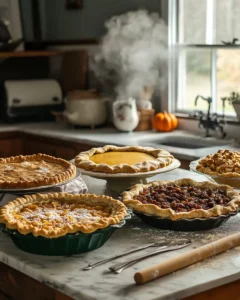
Pies, cobblers & pastry desserts
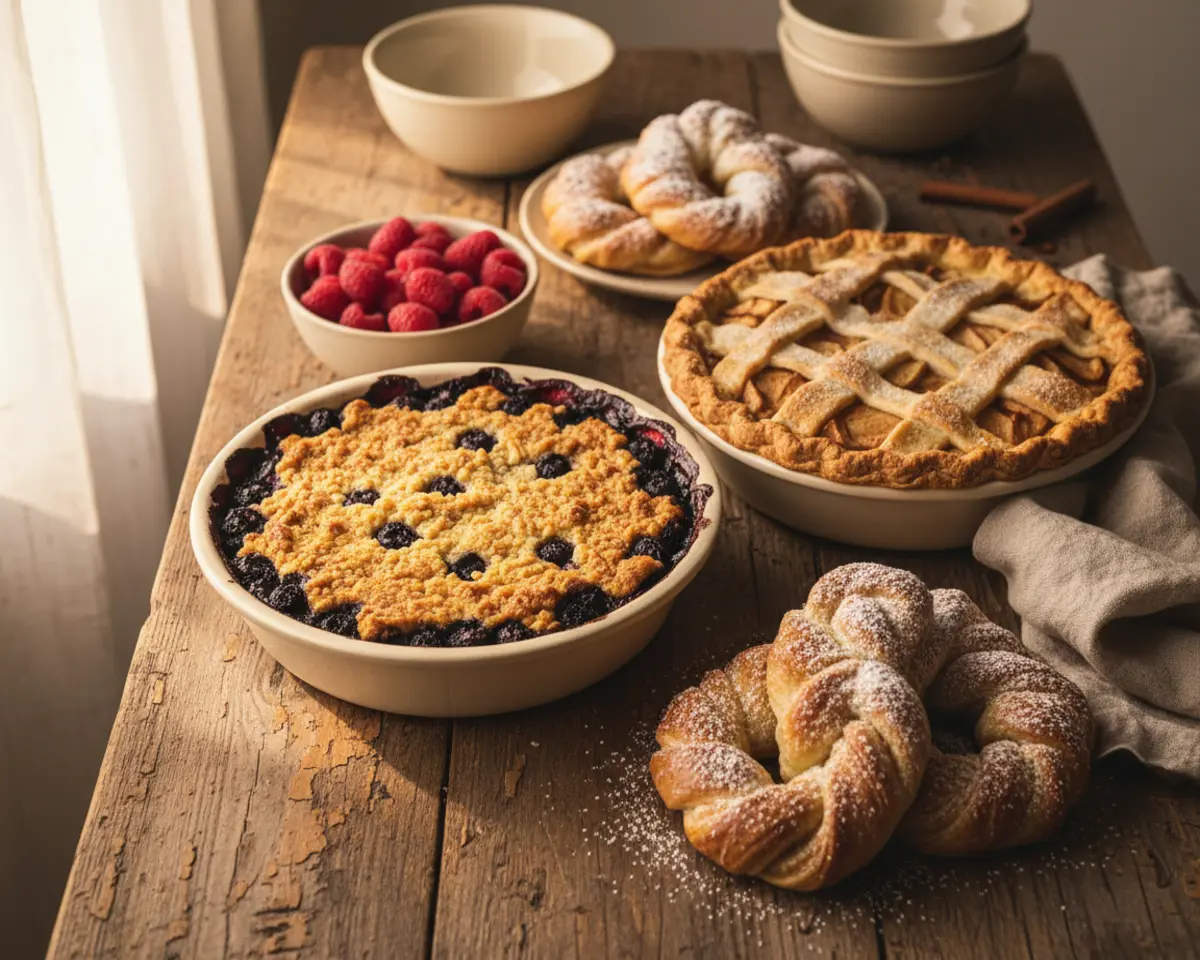
Here’s what I’ve learned after years of rolling dough and perfecting fruit fillings: pies, cobblers, and pastry desserts aren’t about perfection. They’re about
Master every flaky, buttery, fruit-filled creation with this comprehensive collection of pie recipes, cobbler recipes, and pastry dessert recipes that’ll transform your kitchen into a bakery. I’ll never forget the first time I pulled a homemade pie from my oven with a perfectly golden crust that actually didn’t stick to the pan.
My kitchen smelled like a warm hug, and when I sliced into that beauty, the filling held its shape while steam curled upward like a victory flag. That moment changed everything about how I approached baking. Before that, pastry seemed intimidating, reserved for grandmothers with magic hands and professional bakers with fancy equipment.
Table of Contents
Here’s what I’ve learned after years of rolling dough and perfecting fruit fillings: pies, cobblers, and pastry desserts aren’t about perfection. They’re about creating something that makes your home smell incredible and brings people together around your table.
Whether you’re working with tender pie crust, rustic cobbler topping, or delicate pastry layers, these desserts share a beautiful simplicity that anyone can master with the right guidance.
This guide brings together everything you need to become confident with homemade pies and pastry creations. I’ve spent countless hours testing techniques, troubleshooting common problems, and discovering what actually works in a real home kitchen. No culinary school required, just practical knowledge that’ll help you create bakery-worthy desserts in your own space.
The Quick Guide
Before we dive deep into the world of flaky crusts and bubbling fruit fillings, here’s what you need to know about mastering pies, cobblers, and pastry desserts:
- Temperature matters more than technique: Cold butter and warm ovens create the flakiest results every single time
- Different desserts suit different skill levels: Start with forgiving cobblers before advancing to lattice-top pies
- Seasonal fruit makes or breaks your filling: Fresh summer berries and fall apples deliver the best flavors naturally
- Make-ahead options exist for every category: Freeze pie dough, prep cobbler toppings, and assemble pastries in advance
- Simple tools beat fancy equipment: A rolling pin, pie dish, and your hands can create restaurant-quality results
Category Overview
The world of pies, cobblers, and pastry desserts encompasses everything from classic double-crust apple pie to rustic fruit cobblers with biscuit toppings to elegant cream-filled pastries. What connects these seemingly different desserts is their reliance on flour-based components that encase or complement sweet fillings, creating textural contrast that makes each bite interesting.
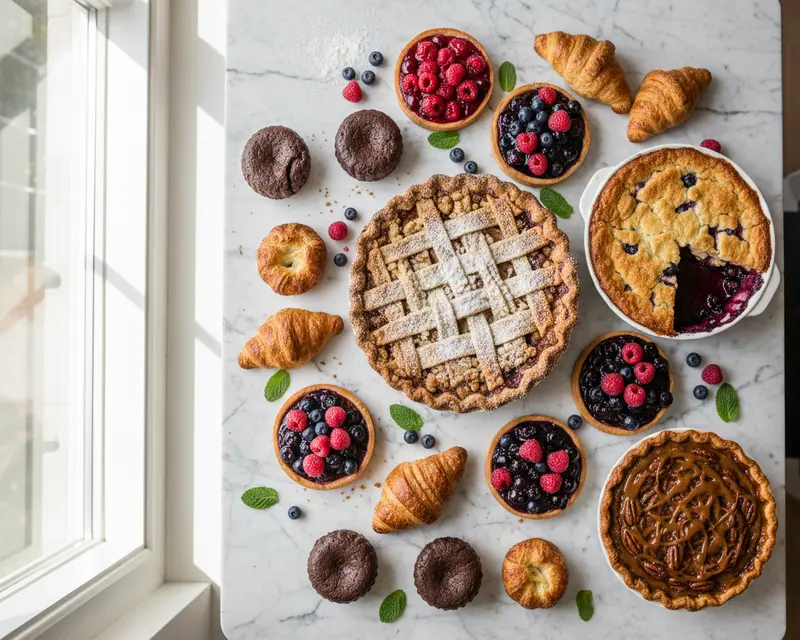
You’ll reach for pie recipes when you want something structured and sliceable, perfect for holidays, potlucks, or special occasions where presentation matters. Cobbler recipes shine when you need something comforting and casual, ideal for weeknight desserts or last-minute gatherings.
Pastry dessert recipes come into play when you’re feeling adventurous and want to impress with layered sophistication.
What makes this category special is the incredible range of difficulty levels and flavor possibilities. A beginner can succeed with a simple fruit cobbler in under an hour, while an experienced baker can challenge themselves with intricate pastry designs that showcase advanced techniques. The same basic ingredients create vastly different results depending on your approach and method.
These desserts also celebrate seasonal ingredients better than almost any other category. Summer stone fruits become cobblers, fall apples transform into pies, winter citrus fills tarts, and spring berries create jewel-toned fillings. Working with what’s fresh and local automatically elevates your results without extra effort.
The Complete Guide To Homemade Pies
This comprehensive pillar covers everything about creating perfect homemade pies from crust to filling, including fruit pies, cream pies, custard pies, and specialty variations. You’ll discover foolproof crust techniques, master different filling types, learn decorative finishing touches, and troubleshoot common problems that trip up home bakers.
This guide is perfect for anyone who wants to become confident with traditional pie baking, whether you’re preparing for holiday gatherings or simply want to master this classic American dessert. The techniques translate across seasons and occasions, giving you skills that’ll serve you for years to come.
Expert Category Guide
After making hundreds of pies, cobblers, and pastries, I’ve identified the core knowledge that separates disappointing results from desserts that make people ask for seconds. These aren’t random tips but foundational concepts that apply across every recipe in this category.
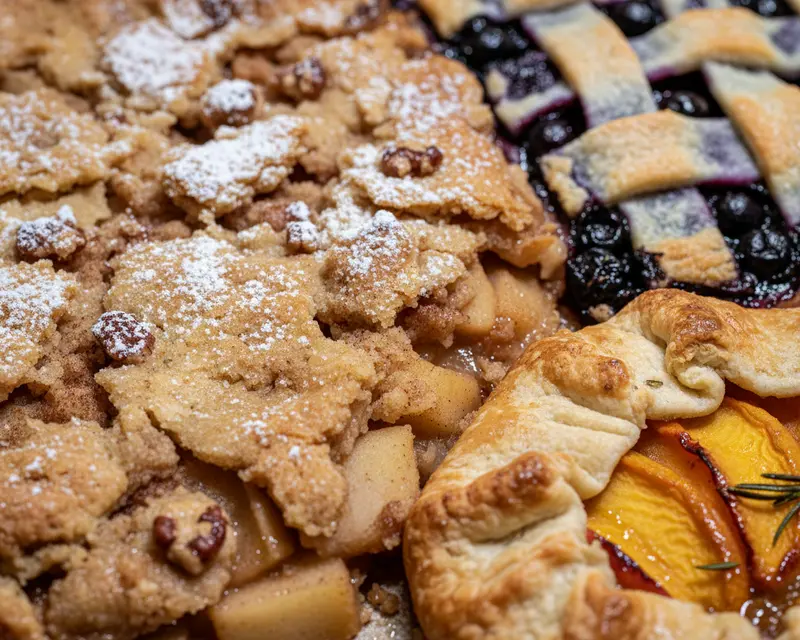
Essential Techniques
The single most important technique for flaky pastry is keeping your fat cold throughout the mixing process. When cold butter hits a hot oven, it creates steam pockets that lift and separate dough layers, creating that signature flakiness everyone loves. Room temperature butter simply melts into the flour, creating dense, tough results instead.
Learning to handle dough gently transforms your results immediately. Overworking develops gluten, which makes crusts tough and chewy rather than tender and crisp. Mix just until ingredients come together, then stop. Those visible butter chunks in your dough aren’t mistakes, they’re features that create texture.
Blind baking prevents soggy bottoms in cream pies and custard tarts. This technique involves pre-baking the crust with weights before adding wet fillings, creating a moisture barrier that keeps everything crisp. Skip this step with cream fillings and you’ll end up with disappointing, pasty results no matter how perfect your crust started.
Understanding fruit ratios prevents runny or gummy fillings. Different fruits contain different moisture levels and require adjusted thickener amounts. Juicy berries need more cornstarch than drier apples, while stone fruits fall somewhere in between. Learning these ratios means consistent, sliceable results every time.
Ingredient Spotlight
All-purpose flour creates the most versatile pastry dough for home bakers. Bread flour contains too much protein and creates tough results, while cake flour lacks structure for holding shape. All-purpose hits the sweet spot, providing enough structure without becoming heavy or dense.
Butter delivers unmatched flavor in pastry, but shortening creates superior flakiness. The solution? Use both. A combination gives you rich, buttery taste with the tender, flaky texture that shortening provides. Most professional bakers use this hybrid approach for the best of both worlds.
Cold water binds pastry dough, but ice water works even better by keeping temperatures low during mixing. Add water gradually, just until dough holds together when squeezed. Too much water creates tough crusts, while too little causes cracking and crumbling.
Tapioca starch thickens fruit fillings without creating that cloudy, gummy texture cornstarch sometimes produces. It handles high-acid fruits beautifully and stays clear when cooked, letting vibrant fruit colors shine through. Many professional pie bakers prefer it for fruit pies specifically.
Vanilla extract enhances fruit flavors without tasting obviously vanilla. A teaspoon in your filling makes berries taste more intensely berry, apples more deeply apple. This works because vanilla contains compounds that amplify other flavors, acting as a natural flavor booster in desserts.
Seasonal Considerations
Summer brings peak berry season, making it ideal for cobblers and rustic galettes that handle delicate fruits gently. Strawberries, blueberries, raspberries, and blackberries need minimal prep and shine with simple preparations. The heat makes nobody want to spend hours in the kitchen anyway, so quick assembly works perfectly.
Fall delivers apples and pears at their best, perfect for structured pies that benefit from longer baking times. Cooler weather makes working with butter easier since your kitchen temperature helps keep pastry cold. This is the season for impressive double-crust pies and decorative lattice tops that showcase your skills.
Winter citrus creates bright, refreshing pies and tarts that contrast beautifully with heavy holiday meals. Meyer lemons, blood oranges, and grapefruit bring acidity and color when other fresh fruits aren’t available. Custard-based pies also shine during cold months, offering richness and comfort.
Spring rhubarb and early strawberries signal the return of fresh fruit desserts after winter’s break. These tart, bright flavors work wonderfully in simple preparations that celebrate their unique characteristics. Spring also brings warmer temperatures that require extra attention to keeping pastry dough properly chilled.
Skill Level Guide
Beginners should start with fruit cobblers that forgive mistakes and require no special shaping skills. Drop biscuit toppings are nearly foolproof, and the rustic appearance means imperfections look intentional. Success here builds confidence for more complex projects while still delivering delicious results.
Intermediate bakers can tackle single-crust pies like pumpkin or pecan that eliminate the challenge of top crusts. These recipes introduce proper crust techniques without the added complexity of crimping, venting, or lattice work. They’re also more forgiving of small cracks or imperfect edges.
Advanced home bakers should challenge themselves with double-crust fruit pies that require multiple techniques working together. Managing moisture levels, creating decorative tops, and achieving proper doneness throughout demands attention and practice. Success here means you’ve truly mastered the fundamentals.
Expert-level projects include laminated pastries like rough puff or traditional puff pastry that require precise temperature control and multiple folding sessions. These advanced techniques create hundreds of delicate layers and demand patience, but the results showcase serious baking skills.
Storage & Make-Ahead Tips
Unbaked pie dough freezes beautifully for up to three months when wrapped tightly in plastic wrap and placed in freezer bags. Make multiple batches when you have time, then thaw overnight in the refrigerator before rolling. This strategy means fresh pastry is always available without the full time commitment.
Fruit fillings can be prepared a day ahead and refrigerated, actually improving as flavors meld together. Just bring to room temperature before filling your crust to prevent thermal shock that can cause cracking. This advance prep means assembly day moves quickly and smoothly.
Baked fruit pies keep at room temperature for two days, then should move to the refrigerator for up to five days total. Cream and custard pies require immediate refrigeration and stay fresh for three days. Cobblers taste best served warm the day they’re made, though leftovers can be gently reheated.
Blind-baked tart shells can be made several days ahead and stored in airtight containers at room temperature. This technique lets you prepare impressive desserts in stages, spreading the work over multiple days. Just fill shortly before serving to maintain crisp textures.
Comparison & Selection Guide
Choose homemade pies when presentation matters and you want something that slices cleanly for serving. Pies work perfectly for holidays, special occasions, or anytime you’re transporting dessert since they travel well and look impressive. They require more time and skill but deliver restaurant-quality results that showcase your abilities.
Pick cobbler recipes when you want comfort food that comes together quickly with minimal technique. Cobblers are ideal for casual weeknight desserts, last-minute gatherings, or when you have ripe fruit that needs using immediately. They’re also the most forgiving option for beginners or anyone working in a hot kitchen.
Select pastry desserts when you want to impress with something that looks and tastes professional. These recipes suit special celebrations, romantic dinners, or times when you want to challenge yourself with advanced techniques. They often require more steps but deliver sophisticated results that feel restaurant-special.
Consider dietary needs when choosing your category. Fruit cobblers adapt easily to gluten-free biscuit toppings, while traditional pies require more careful gluten-free crust development. Vegan versions work best with pies using vegetable shortening rather than butter-heavy pastries.
Think about your timeline and kitchen setup. Cobblers require just one dish and minimal equipment, making them perfect for small kitchens or limited time. Pies need rolling space and proper pie dishes, while pastries often require marble surfaces or specific tools for best results.
Temperature and humidity affect your choice too. Hot, humid weather makes pastry work challenging as butter softens quickly and dough becomes sticky. Those conditions favor cobblers with their simple mixing methods, while cool, dry days are perfect for tackling advanced pie and pastry projects.
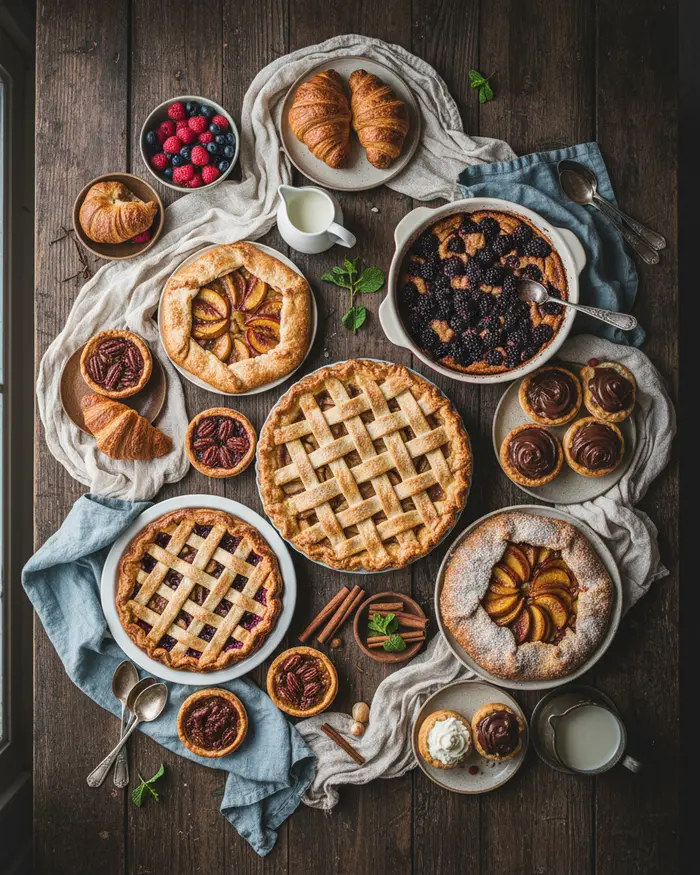
Start Your Pastry Journey Today
The beauty of pies, cobblers, and pastry desserts is that something exists for every skill level and occasion. You don’t need to master everything at once. Start with one category that matches your current abilities and interests, then gradually expand your repertoire as confidence grows.
I’d love to hear which pillar you’re exploring first. Are you diving into classic homemade pies, or starting with something else entirely? Save this guide for easy reference, and don’t forget to pin your favorite sections to Pinterest so you can find them when inspiration strikes.
The most important step is simply getting started. Your first attempt might not be perfect, but I promise it’ll taste delicious and teach you something valuable. Every great baker started exactly where you are now, and each dessert you create builds skills that last forever.
Frequently Asked Questions
What is the difference between a pie and a cobbler?
A pie has a bottom crust and often a top crust, with filling in between. A cobbler has no bottom crust and features a biscuit or cake-like topping over fruit filling. Pies are baked in pie dishes while cobblers are typically made in deeper baking dishes. The texture differs significantly, with pies being flakier and cobblers having a softer, more rustic top.
How do I prevent my pie crust from getting soggy?
Blind bake the crust partially before adding wet fillings. Brush the bottom with egg white or melted chocolate to create a moisture barrier. Use a thickener like cornstarch or tapioca in fruit fillings. Avoid overfilling the pie. Bake on the lower oven rack so the bottom crust gets direct heat. Let cream pies cool completely before slicing.
What are the best apples for apple pie?
Granny Smith apples are ideal for their tartness and firm texture that holds up during baking. Honeycrisp offers sweetness and crunch. Braeburn provides balanced flavor. Many bakers mix varieties like combining tart Granny Smith with sweet Golden Delicious. Avoid Red Delicious or McIntosh as they become mushy. Firm, slightly tart apples work best.
Can I freeze unbaked pies and pastries?
Yes, most unbaked pies freeze excellently for up to three months. Wrap tightly in plastic wrap then aluminum foil. Fruit pies can be baked directly from frozen, adding extra baking time. Custard pies should not be frozen unbaked. Pastry dough freezes well wrapped tightly. Thaw cream-based fillings in the refrigerator before baking.
What makes puff pastry different from regular pastry?
Puff pastry contains many layers of butter folded into dough through a lamination process. When baked, steam creates hundreds of flaky layers that puff up dramatically. Regular pastry like pie crust has butter cut into flour without layering. Puff pastry requires more time and technique. It rises much higher and has a lighter, crispier texture than standard pie dough.