Cookies, bars & handheld treats
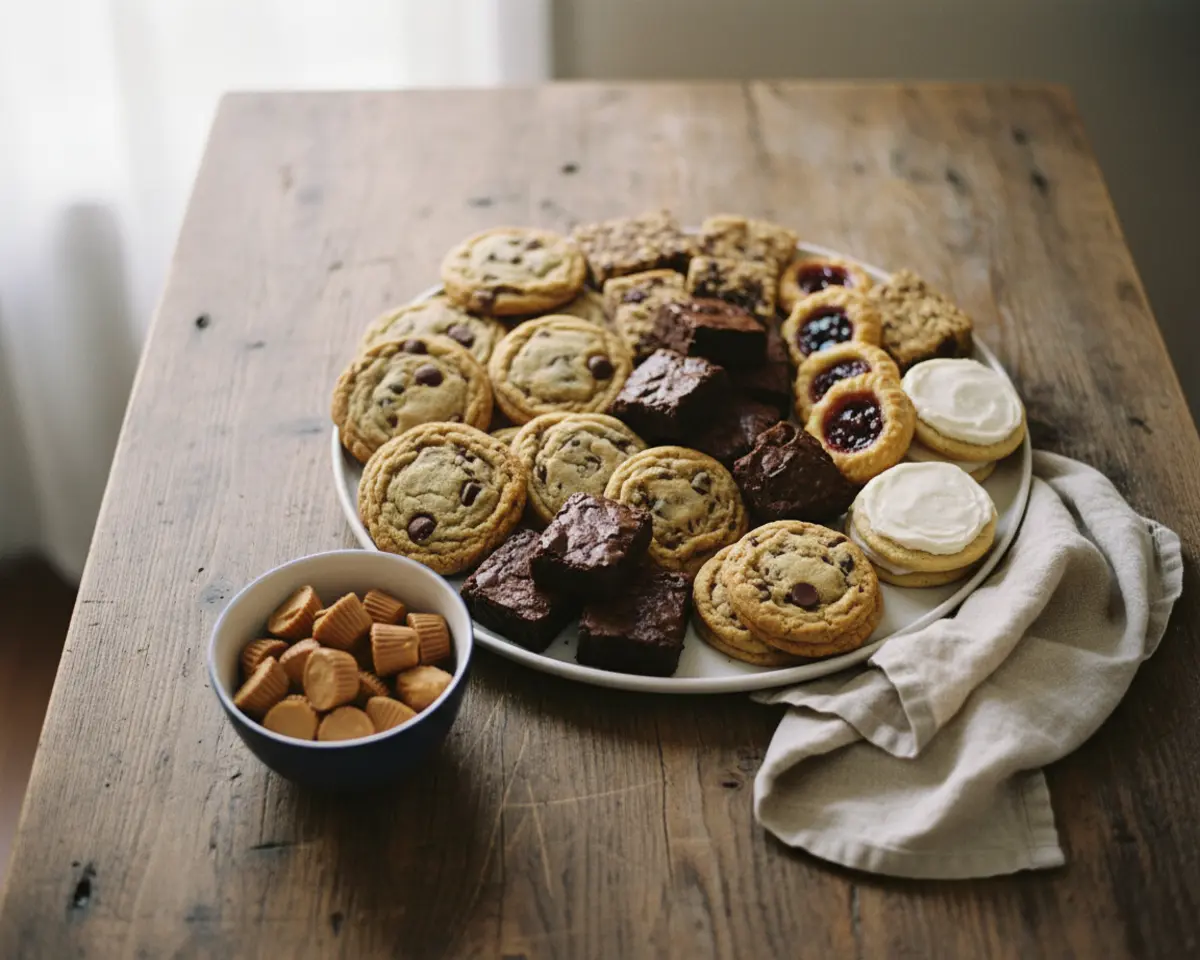
Cookies, Bars & Handheld Treats have a special way of bringing comfort and nostalgia to every bite. There’s something magical about reaching into a cookie jar or cutting into a fresh pan of bars that makes everything feel a little more right with the world. Inspired by the buttery, sweet aromas of grandma’s kitchen, these homemade treats are perfect for sharing, celebrating, or enjoying any day.
Those handheld treats weren’t just desserts they were hugs, celebrations, and comfort all wrapped into something you could hold.
Table of Contents
Over two decades of baking has taught me that cookies, bars, and handheld treats hold a special place in the dessert world. They’re portable, shareable, and infinitely customizable. Whether you’re packing school lunches, hosting a potluck, or simply craving something sweet at midnight, these recipes deliver joy without the fuss of plated desserts or elaborate presentations.
This comprehensive guide brings together everything you need to master the art of handheld desserts. From classic cookies that transport you back to childhood to innovative dessert bars that impress at every gathering, we’ll explore the techniques, ingredients, and creative possibilities that make these treats so universally beloved.
The Quick Guide
Here’s what you need to know about cookies, bars, and handheld treats to start baking with confidence:
- Versatility reigns: These desserts work for every occasion from casual weeknight snacks to elegant party platters
- Make-ahead friendly: Most cookie recipes and dessert bars store beautifully, with many freezing perfectly for up to three months
- Beginner-approved: Handheld desserts typically require fewer specialized skills than layered cakes or temperamental pastries
- Endless customization: Swap nuts, change chocolates, or adjust mix-ins to match dietary needs and personal preferences
- Portion control built-in: Individual servings mean no cutting, plating, or serving utensils required at gatherings
Understanding Cookies, Bars & Handheld Treats
What sets handheld desserts apart is their beautiful simplicity and shareability. These recipes encompass everything from traditional drop cookies to pressed bars to no-bake confections. The unifying thread is convenience paired with indulgence you can enjoy them anywhere, anytime, without forks or plates.
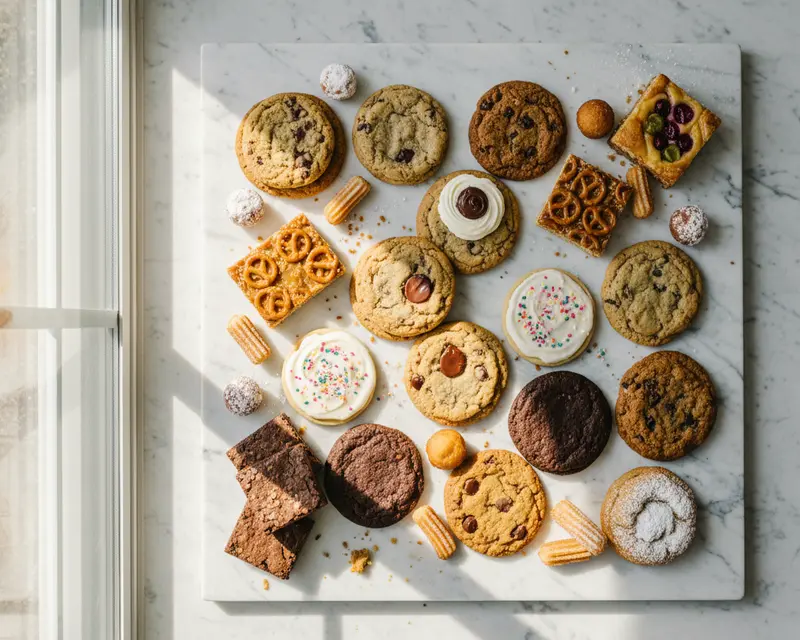
Cookie recipes shine when you want individual portions with crispy edges, chewy centers, or delicate crunch. Dessert bars offer the satisfaction of cookies with the ease of sheet pan baking, while no-bake options provide instant gratification when the oven feels like too much work.
These treats work brilliantly for bake sales, holiday cookie exchanges, care packages, and spontaneous gatherings. They travel well, stack neatly, and please crowds with diverse tastes. The best part is they’re as forgiving as they are delicious, making them perfect for both novice bakers and seasoned pros.
The Ultimate Guide To Easy Pecan Cookies
Pecan cookies bring buttery richness and nutty sophistication to your dessert table. Whether you’re drawn to classic pecan sandies, elegant Russian tea cakes, or chewy pecan praline cookies, this complete guide to easy pecan cookies walks you through every variation with foolproof techniques and flavor combinations.
These cookies shine during fall and winter holidays but honestly work year-round. The toasted pecan flavor pairs beautifully with brown butter, maple, bourbon, and warm spices. They’re sophisticated enough for afternoon tea yet comforting enough for casual family gatherings.
Ultimate Guide To No Bake Cookies
When summer heat makes turning on the oven unbearable or you need dessert in minutes, no-bake cookies become your best friend. This comprehensive no-bake cookie guide covers everything from classic chocolate peanut butter drops to coconut date balls to refrigerator cookie variations.
Perfect for beginner bakers and kids’ first kitchen adventures, these recipes require minimal equipment and deliver maximum satisfaction. They’re ideal for hot weather, broken ovens, dorm rooms, and anytime you want homemade treats without heat or wait time.
Classic Copycat Cookie Recipes
There’s pure joy in recreating your favorite store-bought and bakery cookies at home, often with better flavor and fresher ingredients. This collection of classic copycat cookie recipes teaches you how to make spot-on versions of beloved commercial cookies from Levain-style giants to thin-and-crispy grocery store favorites.
These recipes decode the techniques behind famous cookies, helping you understand what makes them special. Once you master the formulas, you can customize flavors, adjust sweetness, and create your own signature versions that rival any bakery.
Peanut Butter Bars Biscoff Desserts
For those who love the combination of creamy spreads with cookie crusts and chocolate layers, dessert bars reign supreme. This guide to peanut butter bars and Biscoff desserts explores no-bake layered bars, pressed cookie combinations, and creative ways to showcase these beloved spreads.
These handheld treats appeal to adults and kids alike, offering nostalgic flavors with minimal effort. They’re perfect for potlucks because they cut cleanly, serve a crowd, and require no special serving equipment or refrigeration for short periods.
Expert Category Guide
Mastering cookies, bars, and handheld treats requires understanding a few fundamental techniques that transform simple ingredients into exceptional desserts. Let’s break down the essential knowledge that elevates your baking from good to unforgettable.
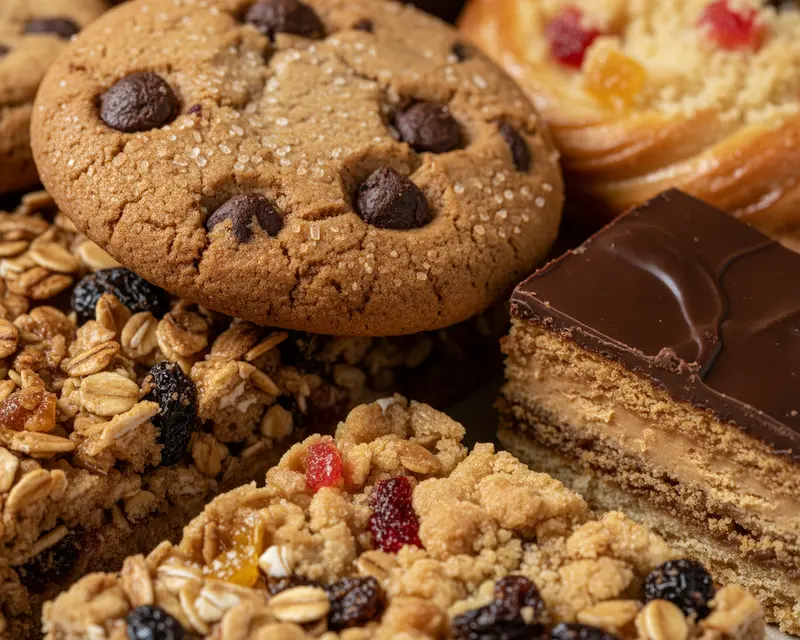
Essential Techniques
Creaming butter and sugar properly creates the foundation for tender, perfectly textured cookies. Beat them together until light and fluffy, usually three to five minutes, incorporating air that helps cookies rise and creates that desirable chewy-crispy balance.
Chilling cookie dough prevents excessive spreading and intensifies flavors as ingredients meld together. Most doughs benefit from at least thirty minutes in the refrigerator, while some improve with overnight rest. This step seems optional until you compare batches and the difference becomes unmistakable.
Understanding oven temperature matters tremendously. Lower temperatures create chewier cookies with soft centers, while higher heat produces crispy edges and flatter spreads. An oven thermometer eliminates guesswork since most home ovens run ten to twenty-five degrees off their displayed temperature.
For bars, proper pan preparation ensures clean cuts and easy removal. Line pans with parchment paper, leaving overhang on two sides to create handles. This simple step means you can lift the entire block out, place it on a cutting board, and slice perfect squares without mangling corners.
Ingredient Spotlight
Butter quality directly impacts your final results. European-style butter with higher fat content creates richer, more flavorful cookies. Brown butter takes this further, adding nutty complexity that elevates simple recipes into something special worth the extra five minutes of cooking time.
Flour type changes texture significantly. All-purpose flour works for most cookie recipes, but bread flour creates chewier results while cake flour produces more delicate, tender crumbs. Understanding these differences helps you adjust recipes to match your texture preferences.
Brown sugar versus white sugar is about more than sweetness. Brown sugar adds moisture and chewiness thanks to molasses content, while white sugar creates crisper, flatter cookies. Many recipes use both to balance texture and flavor perfectly.
Vanilla extract seems minor but cheap imitation versions taste harsh and artificial. Real vanilla extract or vanilla bean paste transforms ordinary cookies into something people remember and request repeatedly. The investment pays dividends in every batch.
Seasonal Considerations
Summer heat affects dough consistency and baking times. Butter softens faster, doughs spread more readily, and no-bake options become particularly appealing. Keep dough chilled between batches and consider refrigerating your baking sheets before loading them with cookie dough.
Fall and winter invite warm spices like cinnamon, ginger, and nutmeg into your handheld treats. Pecans, walnuts, and hazelnuts reach peak freshness during cooler months. These seasons also bring holiday cookie exchanges where variety and visual appeal matter as much as taste.
Spring calls for lighter flavors like lemon, coconut, and fresh berries when available. Bars work particularly well for spring gatherings since they’re easier to transport than frosted layer cakes and less likely to melt during outdoor events.
Skill Level Guide
Beginner bakers should start with drop cookies and no-bake bars. These recipes forgive minor measurement errors and require minimal technique. Focus on classic chocolate chip cookies, peanut butter cookies, and simple layered bars to build confidence and understanding.
Intermediate bakers can tackle slice-and-bake cookies, rolled cutouts, and bars with multiple layers. These recipes introduce temperature control, dough handling, and timing precision. Experiment with flavor combinations and substitutions to develop your palate and problem-solving skills.
Advanced bakers explore techniques like lamination for cookie dough, tempering chocolate for perfectly glossy coatings, and creating bakery-style giant cookies with specific texture zones. These projects require patience and precision but deliver professional-quality results worth the extra effort.
Storage & Make-Ahead Tips
Most baked cookies store beautifully at room temperature for up to one week in airtight containers. Separate layers with parchment paper to prevent sticking. Soft cookies stay fresher with a slice of bread tucked into the container to maintain moisture levels.
Cookie dough freezes exceptionally well for up to three months. Portion dough into individual cookies, freeze on a baking sheet until solid, then transfer to freezer bags. Bake directly from frozen, adding just one to two minutes to the baking time for fresh cookies anytime.
Dessert bars often improve after a day as flavors meld and textures settle. Store most bars covered at room temperature, though those with cream cheese or perishable fillings require refrigeration. Cut bars store longer than whole slabs since less surface area is exposed to air.
Comparison & Selection Guide
Choosing between different handheld desserts depends on your occasion, skill level, and available time. Understanding the strengths of each category helps you select the perfect recipe for any situation.
Choose pecan cookies when you want sophisticated flavors for adult gatherings, holiday gifts, or afternoon tea service. They pair beautifully with coffee and wine, travel well, and present elegantly with minimal decoration. Best for bakers comfortable with basic techniques who want impressive results.
Select no-bake cookies when time is tight, the weather is hot, or you’re baking with children who want immediate results. These recipes work perfectly for beginners, require minimal equipment, and satisfy sweet cravings faster than any other option. Ideal for summer months and spontaneous baking sessions.
Pick copycat cookie recipes when you crave specific commercial cookies or want to impress friends with your baking prowess. These recipes teach technique while delivering familiar flavors everyone recognizes and loves. Perfect for intermediate bakers ready to decode professional recipes and understand what makes bakery cookies special.
Go with peanut butter bars and Biscoff desserts when feeding crowds, attending potlucks, or wanting maximum impact with minimum effort. Bars cut cleanly, serve many people from one pan, and combine multiple textures and flavors in every bite. Excellent for busy bakers who need reliable crowd-pleasers.
Consider dietary needs when selecting recipes. Many no-bake cookies naturally avoid oven temperature variations that affect gluten-free baking. Bars often adapt easily to substitutions since their structure is more forgiving than individual cookies. Pecan cookies frequently work well with alternative flours and sweeteners.
Time constraints matter significantly. No-bake options deliver finished desserts in under thirty minutes while traditional cookies require mixing, chilling, baking, and cooling for at least ninety minutes total. Bars often bake faster than multiple cookie batches since you’re working with one large pan instead of several smaller batches.
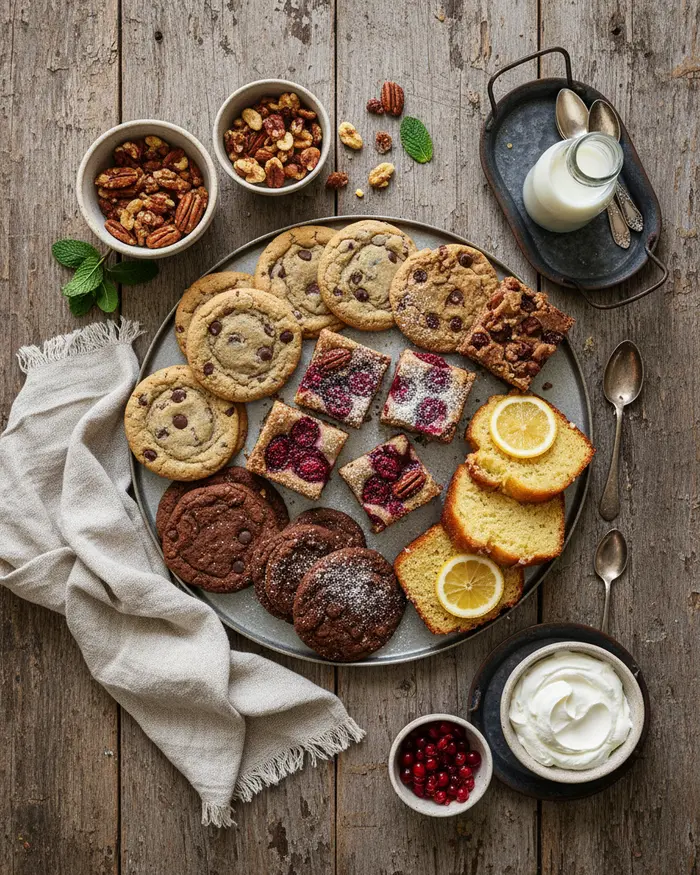
Ready to fill your cookie jar and delight everyone who reaches inside? Explore each specialized guide to discover techniques, flavor combinations, and creative variations that match your taste and skill level. Save this comprehensive resource so you always have the perfect handheld treat for any occasion.
Which category will you master first? Buttery pecan cookies, quick no-bake treats, famous copycat recipes, or indulgent layered bars? Share your baking adventures and favorite combinations on Pinterest to inspire fellow dessert lovers, and let us know which handheld treat has become your signature recipe.
Frequently Asked Questions
How long do homemade cookies stay fresh?
Most homemade cookies stay fresh for 3-5 days when stored in an airtight container at room temperature. Soft cookies maintain their texture best with a slice of bread in the container. Crispy cookies should be stored separately. For longer storage, freeze cookies for up to 3 months in freezer-safe bags or containers.
What is the difference between bars and brownies?
Bars refer to a broad category of baked treats cut into squares or rectangles, which can include brownies, blondies, lemon bars, and more. Brownies specifically are chocolate-based bars with a dense, fudgy or cakey texture. All brownies are bars, but not all bars are brownies.
Why do my cookies spread too much while baking?
Excessive cookie spreading usually occurs due to warm butter, too little flour, or placing dough on hot baking sheets. Ensure butter is softened but not melted, measure flour accurately, and chill dough for 30 minutes before baking. Using parchment paper and cooling sheets between batches also helps.
Can I substitute butter with oil in cookie recipes?
You can substitute oil for butter, but it affects texture and flavor. Use 3/4 cup oil for every 1 cup butter. Oil creates softer, more cake-like cookies that spread more. Butter provides richer flavor and better structure. For best results, use melted coconut oil as it solidifies similar to butter.
How do I cut clean bars without crumbling?
For clean cuts, let bars cool completely in the pan, then refrigerate for at least 2 hours. Use a sharp knife wiped clean between cuts. For sticky bars like brownies, run the knife under hot water and dry it between slices. Lifting the whole batch out using parchment paper helps too.