Healthy No Bake Cookies
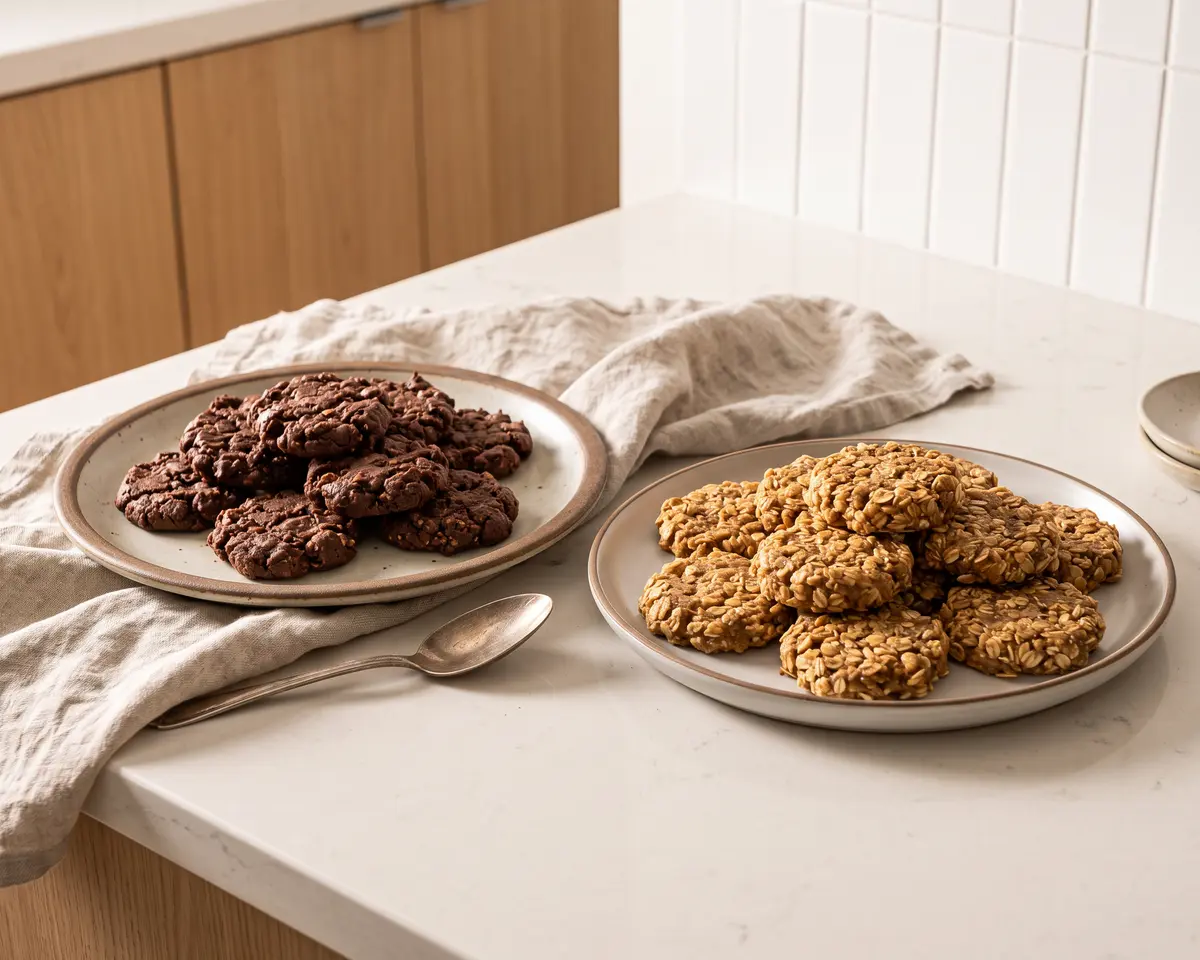
Healthy no bake cookies made 17 ways: vegan, gluten free, keto, nut free, protein-packed and more. Quick, guilt-free treats ready in minutes.
I used to think healthy no bake cookies were one of those sad compromises—you know, the kind where you swap out everything good and end up with a dry puck that tastes like cardboard. Then one afternoon, my daughter asked if we could make cookies that wouldn’t mess with her stomach, and I started playing around.
Turns out, when you swap refined sugar for dates, use natural peanut butter, and let coconut oil do its magic, you get something that actually tastes like a treat. No guilt, no weird aftertaste, just a chewy, satisfying cookie that sets in the fridge while you clean up the saucepan.
Once you’ve got that down, the seventeen recipes below are just a matter of swapping a few ingredients and adjusting the set time.
- Servings: Varies by recipe, typically 18 to 24 cookies
- Prep Time: 5 to 10 minutes
- Cook Time: 2 to 3 minutes (stovetop boil)
- Total Time: 15 to 30 minutes (including set time in the fridge)
- Make-Ahead: Most recipes keep in an airtight container in the fridge for up to a week, or freeze for longer storage
Table of Contents
What Makes These 17 Variations Unique
Every recipe in this roundup starts with the same basic technique: boil a mixture on the stove, stir in your dry ingredients, drop spoonfuls onto parchment, and let them set. The magic happens in what you swap. Natural sweeteners like dates or maple syrup replace refined sugar. Coconut oil or nut butter steps in for butter.
Certified gluten free oats, almond flour, or shredded coconut take the place of regular oats when you need grain free or keto options.
The key is understanding how each swap affects the set. Dates add moisture and natural sugar, so you might need a bit more coconut or oats to firm things up. Keto sweeteners don’t crystallize the same way white sugar does, so those cookies rely on coconut oil and nut butter to hold their shape.
Protein powder soaks up liquid fast, which means you add it at the very end and work quickly before the dough stiffens.
Once you know the pattern, you can mix and match. Want a vegan, gluten free, high protein cookie? Combine the plant-based swaps from the vegan recipe, the certified oats from the gluten free version, and the protein powder technique from the high protein one. These aren’t rigid formulas—they’re flexible templates that let you build exactly what you need.
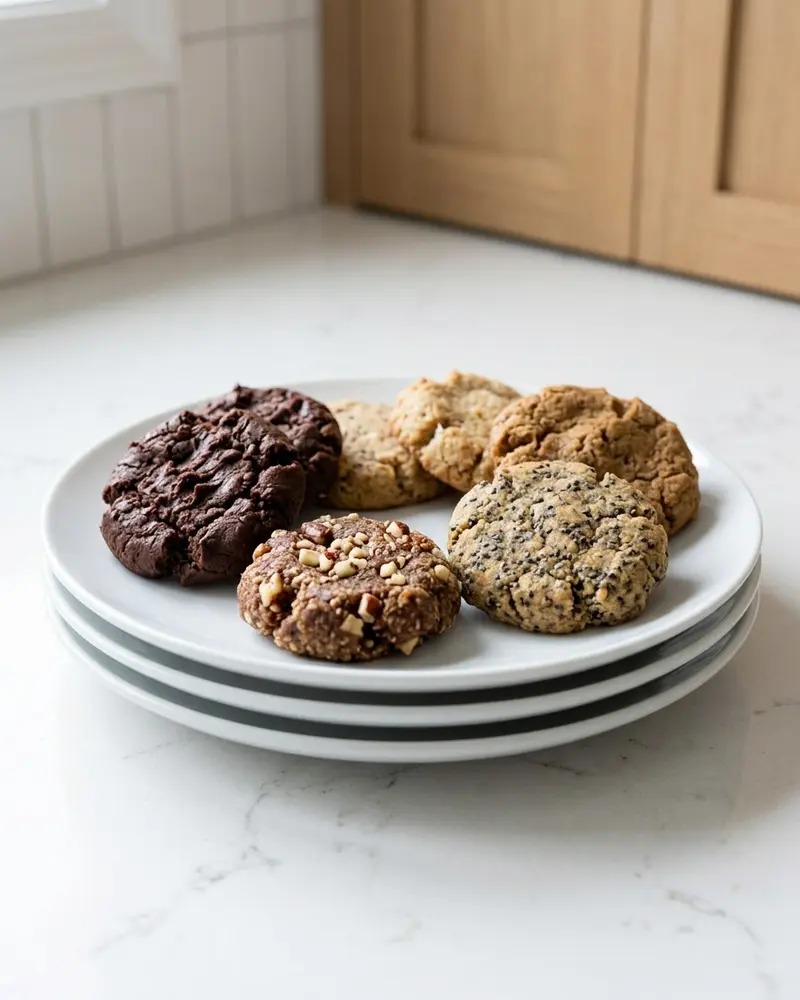
Complete Recipe Collection (All 17 Recipes)
1. Healthy No Bake Chocolate Peanut Butter Cookies
This is the classic flavor you know, rebuilt with natural peanut butter, coconut oil, and a natural sweetener like coconut sugar or maple syrup. The chocolate comes from unsweetened cocoa powder, so you control exactly how sweet they are. They set firm in the fridge and taste like the original, just without the refined sugar crash.
Perfect for anyone who wants a guilt free version of the cookie they grew up with.
2. Vegan No Bake Cookies (Chocolate Peanut Butter)
Fully plant-based: no butter, no dairy milk, no honey. Coconut oil replaces the butter, oat milk or almond milk stands in for dairy, and maple syrup or agave does the sweetening. The texture is just as chewy, and the chocolate-peanut butter combo is still front and center. These are the ones I make when my vegan friends come over, and they never guess they’re dairy free until I tell them.
3. Gluten Free No Bake Cookies (Certified GF Oats)
Certified gluten free oats are the only swap you need here—everything else stays the same. If you’re extra cautious about cross-contact, use a dedicated saucepan and utensils. You can also sub in almond flour for a grain free version, though the texture gets a bit denser. These are safe for celiac friends and taste exactly like the regular batch.
4. Nut Free No Bake Cookies for School (Sunflower Butter)
Sunflower seed butter or pumpkin seed butter replaces peanut butter, making these safe for school lunch boxes and nut-free facilities. The flavor is a little earthier, but still sweet and satisfying. Just make sure your sunflower butter is the no-stir kind, or the cookies can turn out greasy. Check the label to confirm it’s processed in a nut-free facility if allergies are a concern.
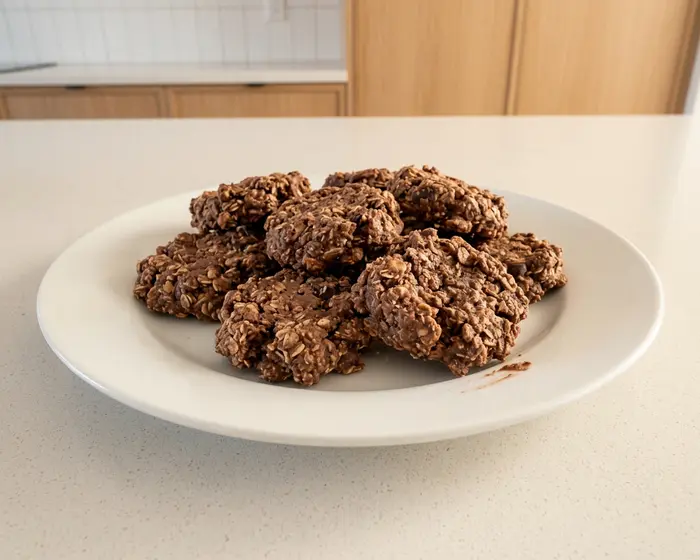
5. Keto No Bake Cookies (Low Carb, Sugar Free Sweetener)
No oats here—this version uses shredded unsweetened coconut, almond flour, and chopped nuts for the base. A keto-friendly sweetener like erythritol or monk fruit replaces the sugar, and coconut oil holds everything together. They’re rich, dense, and low carb, perfect for anyone avoiding grains and sugar. The texture is more fudgy than chewy, and they keep well in the fridge for snacking.
6. Sugar Free No Bake Cookies That Still Taste Classic
This recipe swaps white sugar for a granulated sugar substitute but keeps the oats, so it’s not keto—just zero added sugar. The texture and flavor stay close to the original, and you still get that satisfying chew. Good for anyone cutting sugar but not ready to give up oats. Use a 1:1 substitute like erythritol or stevia blend for the best results.
7. High Protein No Bake Cookies
A scoop of protein powder turns these into a post-workout snack that actually tastes good. Chocolate or vanilla protein powder works, and you add it at the very end so it doesn’t clump. Each cookie packs extra grams of protein, making them more filling than the regular version. They set a bit firmer because the powder soaks up moisture, so don’t skip the fridge time.
8. Dairy Free No Bake Cookies With Coconut Oil and Oat Milk
Coconut oil replaces butter, and oat milk or almond milk swaps in for dairy. This version isn’t strictly vegan—it might still use honey—but it’s completely dairy free. The coconut oil adds a subtle tropical note that pairs well with chocolate and peanut butter. These are great if you’re lactose intolerant but not avoiding all animal products.
9. Top 9 Allergen Free No Bake Cookies
Free of all top allergens: dairy, egg, wheat, soy, peanut, tree nut, sesame, fish, and shellfish. This one uses sunflower seed butter, certified gluten free oats, coconut oil, and maple syrup. It’s the safest option for severe allergies and shared kitchens. The flavor is mild and naturally sweet, and the texture is chewy without being sticky.
10. Refined Sugar Free No Bake Cookies (Honey or Maple Syrup)
Natural liquid sweeteners—honey or pure maple syrup—replace white sugar entirely. The cookies taste a bit richer and less sharp-sweet, with a hint of caramel from the maple or floral notes from the honey. They set just as firm as the classic version, and you get the benefit of unprocessed sweetness. Use the same amount by volume as you would sugar.
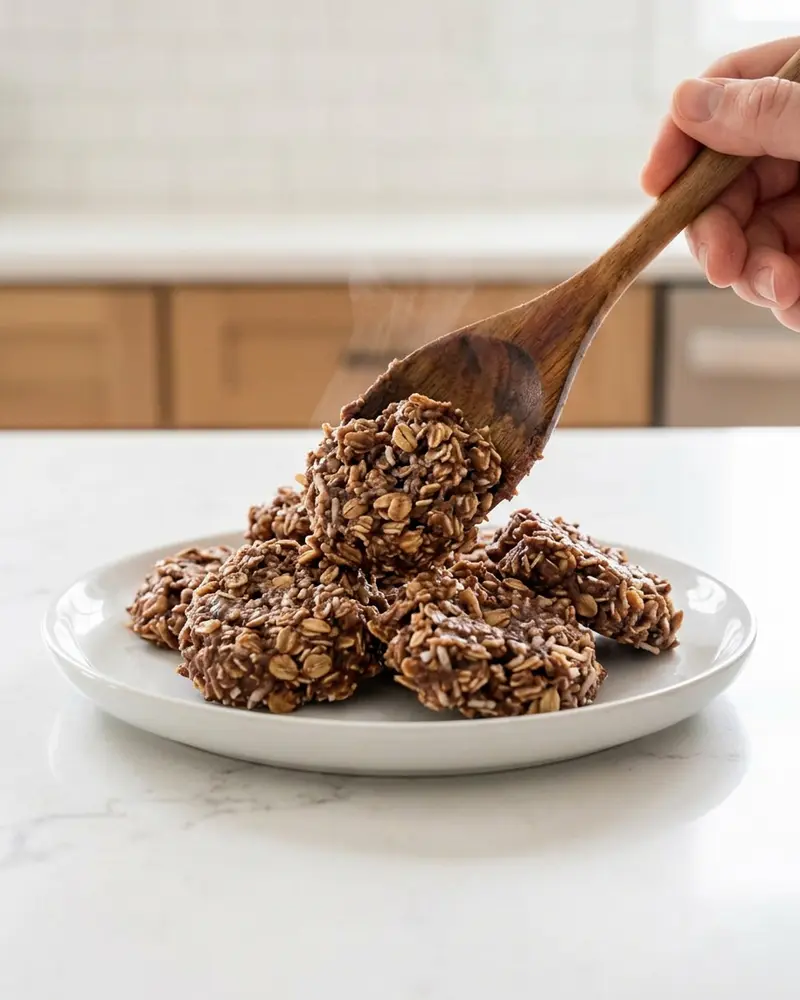
11. No Bake Protein Cookies Without Protein Powder
Whole-food protein sources—Greek yogurt, hemp seeds, nut butter—boost the protein count without any powder. The texture is a bit softer, so these are best stored in the fridge and eaten cold. They’re perfect if you avoid supplements or just prefer real-food ingredients. Each cookie still delivers a decent protein hit, just from natural sources.
12. No Bake Banana Oatmeal Cookies
Ripe banana mashed into the mixture acts as both sweetener and binder. You can cut back on the added sugar or skip it entirely, depending on how sweet your bananas are. The cookies have a subtle banana flavor and a softer, cake-like texture. They’re naturally sweet, kid-friendly, and a great way to use up overripe bananas sitting on your counter.
13. Healthy No Bake Cookies for Kids’ Snacks and School Lunches
Lower sugar, lunchbox-friendly, and kid-approved. This version uses a mix of natural sweeteners, oats, and nut or seed butter, with add-ins like mini chocolate chips or dried fruit. They’re sturdy enough to survive a backpack and sweet enough that kids actually eat them. Perfect for after-school snacks or tucking into a lunchbox without any guilt.
14. Date Sweetened No Bake Cookies
Whole Medjool dates blended in a food processor replace all the sugar. The dates add natural sweetness, fiber, and a caramel-like flavor that pairs beautifully with cocoa and peanut butter. The texture is dense and chewy, almost like a Larabar. You’ll need a food processor to break down the dates, but the result is worth the extra step.
15. Paleo No Bake Cookies
Grain free and legume free: almond butter, shredded coconut, and maple syrup form the base. No oats, no refined sugar, no dairy. The flavor is nutty and rich, with a slightly crumbly texture that holds together once chilled. These fit strict paleo guidelines and taste like a cross between a cookie and a fat bomb.
16. No Bake Cookies With Chia Seeds
Chia seeds stirred into the mixture add fiber, omega-3s, and a bit of crunch. They also help the cookies set faster because chia absorbs liquid and forms a gel. The texture is chewier and a little denser than the classic version. A tablespoon or two per batch is all you need to get the benefits without changing the flavor.
17. No Bake Cookies With Carob Powder (Caffeine Free)
Carob powder replaces cocoa for a caffeine-free, naturally sweet alternative. The flavor is milder and slightly fruity, less bitter than chocolate. Good for anyone sensitive to caffeine or chocolate, or for making cookies kids can eat before bed. Use the same amount of carob as you would cocoa, and expect a lighter brown color.
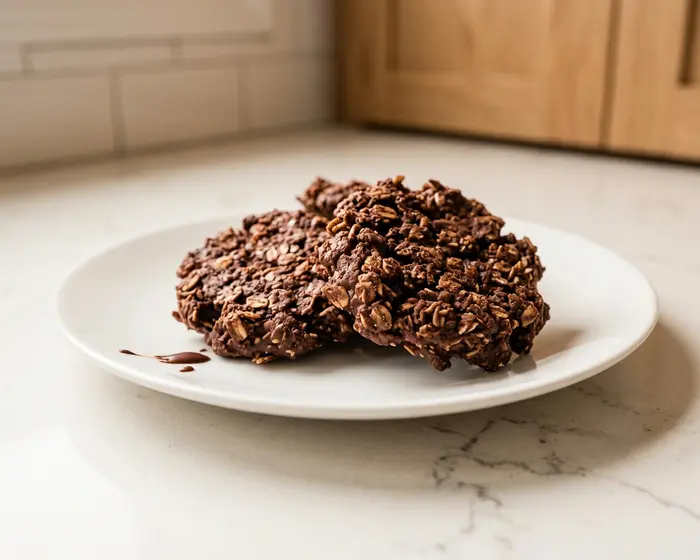
Quick Recipe Comparison & Decision Guide
Not sure which recipe to try first? This table breaks down the key details so you can pick the one that fits your needs. Prep time is fast across the board, but the best-for column will help you narrow it down based on diet, occasion, or what you have in the pantry.
| Recipe Name | Prep Time | Key Ingredients / Specialty | Best For |
|---|---|---|---|
| Healthy Chocolate Peanut Butter | 10 minutes | Natural PB, coconut oil, natural sweetener | Classic flavor, less guilt |
| Vegan (Chocolate PB) | 10 minutes | Plant milk, coconut oil, maple syrup | Fully plant-based |
| Gluten Free (Certified Oats) | 10 minutes | Certified GF oats or almond flour | Celiac-safe |
| Nut Free (Sunflower Butter) | 10 minutes | Sunflower or pumpkin seed butter | School lunch boxes |
| Keto (Low Carb) | 8 minutes | Coconut, almond flour, keto sweetener | Low carb, grain free |
| Sugar Free (Classic Taste) | 10 minutes | Sugar substitute, oats | Cutting sugar, not carbs |
| High Protein | 10 minutes | Protein powder, oats, nut butter | Post-workout snack |
| Dairy Free (Coconut Oil) | 10 minutes | Coconut oil, plant milk | Lactose intolerant |
| Top 9 Allergen Free | 10 minutes | Sunflower butter, GF oats, maple | Severe allergies |
| Refined Sugar Free (Honey/Maple) | 10 minutes | Honey or maple syrup, oats | Natural sweetness |
| Protein Without Powder | 10 minutes | Greek yogurt, hemp seeds, nut butter | Whole-food protein |
| Banana Oatmeal | 10 minutes | Ripe banana, oats, cocoa | Using up overripe bananas |
| Healthy for Kids | 10 minutes | Lower sugar, mini chips, dried fruit | Lunchbox snacks |
| Date Sweetened | 12 minutes | Whole dates, cocoa, nut butter | No added sugar, fiber boost |
| Paleo | 8 minutes | Almond butter, coconut, maple | Grain free, strict paleo |
| Chia Seed | 10 minutes | Chia seeds, oats, nut butter | Extra fiber, omega-3s |
| Carob Powder (Caffeine Free) | 10 minutes | Carob powder, oats, nut butter | Caffeine-sensitive, kids |
I’d start with the Healthy Chocolate Peanut Butter version if you want the classic taste with cleaner ingredients, or jump straight to the Vegan or Gluten Free recipes if you have dietary restrictions. The Keto and High Protein options are great if you’re tracking macros, and the Nut Free version is a lifesaver for school snacks.
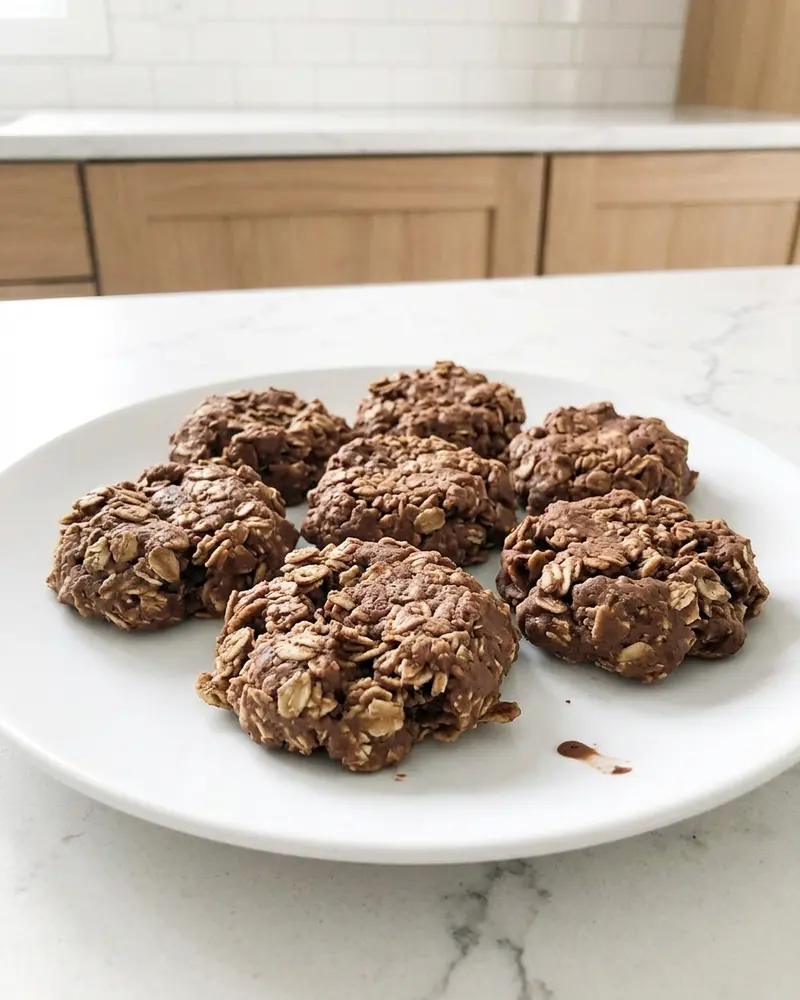
Why You’ll Love This Collection
These seventeen recipes give you a healthy no bake cookie for every situation: dietary restrictions, nutrition goals, ingredient swaps, and flavor preferences. No matter which one you pick, you’re getting a treat that’s ready in minutes, doesn’t heat up your kitchen, and actually tastes good.
First, they’re fast. Most recipes take ten minutes or less from start to finish, not counting the time they spend setting in the fridge. You boil, stir, drop, and chill—no mixer, no oven, no waiting around.
Second, they’re flexible. Swap oats for almond flour, use sunflower butter instead of peanut butter, pick a different sweetener—these recipes adapt to what you have and what you need. Once you understand the basic technique, you can mix and match swaps across recipes.
Third, they deliver on taste. I’ve tried the sad, cardboard versions of healthy cookies, and these aren’t it. Natural sweeteners, good fats, and real cocoa make a difference. You’re not settling for less—you’re just skipping the stuff you don’t need.
Finally, they work for everyone. Vegan, gluten free, keto, nut free, high protein, allergen free—there’s a recipe here that fits. And because they all use the same basic method, you can make a few different batches in one afternoon and have options all week.
Tips for Success Across All Recipes
Get the Boil Right
The boil is where most no bake cookies succeed or fail. Bring your mixture to a full rolling boil—big bubbles that don’t stop when you stir—and keep it there for the full time the recipe calls for. If you pull it off the heat too soon, the cookies won’t set. If you boil too long, they’ll turn out dry and crumbly. Set a timer and watch the pot.
Work Quickly After Stirring
Once you add the oats, protein powder, or other dry ingredients, the mixture starts to thicken and cool. Drop spoonfuls onto parchment paper as fast as you can. If the dough gets too stiff to scoop, you can warm it gently over low heat for a few seconds, but it’s easier to just move fast from the start.
Use Parchment, Not Wax Paper
Parchment paper is your friend here. Wax paper can stick, and foil sometimes leaves a metallic taste. Parchment peels off clean every time, and you can reuse the same sheet for multiple batches if you’re making more than one recipe.
Adjust for Sweetener Swaps
Natural sweeteners like honey, maple syrup, and dates behave differently than white sugar. Liquid sweeteners add moisture, so you might need a bit more oats or coconut to firm things up. Keto sweeteners don’t crystallize the same way, so those recipes rely more on fats to hold their shape. If your first batch is too soft, add a tablespoon or two of oats or coconut and try again.
Chill Thoroughly Before Storing
Let the cookies set completely in the fridge before you stack them or pack them away. If they’re still soft, they’ll stick together and lose their shape. An hour is usually enough, but overnight is even better if you have the time.
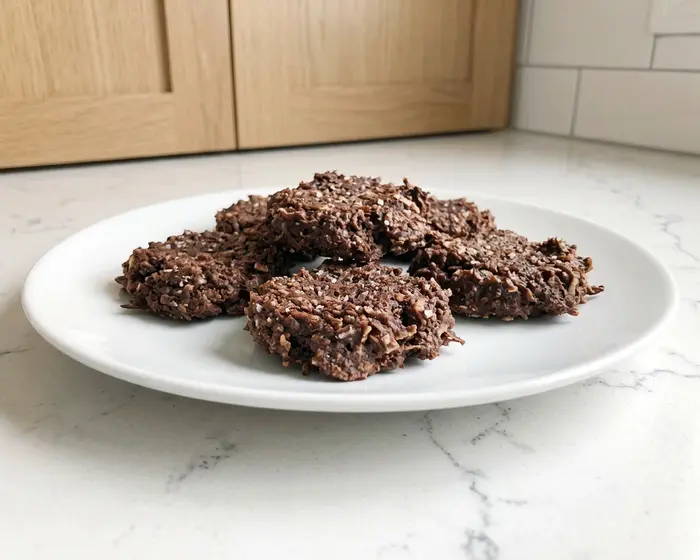
Make-Ahead & Storage Tips
These cookies are built for making ahead. Most recipes keep in an airtight container in the fridge for up to a week, and they freeze beautifully for longer storage. The flavor and texture actually improve after a day or two in the fridge, once everything has had time to meld together.
To freeze, layer the cookies between sheets of parchment paper in a freezer-safe container. They’ll keep for up to three months. When you’re ready to eat them, let them thaw in the fridge for a few hours or sit at room temperature for about twenty minutes. They soften up quickly, so don’t leave them out too long if you like them firm.
If you’re making a big batch for a party or meal prep, I’d suggest baking two or three different recipes at once. They all use the same basic method, so you can knock them out in under an hour and have variety all week. Just label the containers so you remember which is which—they can look pretty similar once they’re stacked.
Common Mistakes & How to Avoid Them
Undercooking the Boil
If your cookies stay soft and sticky even after chilling, you probably didn’t boil the mixture long enough. The sugar needs to reach the right temperature to set properly. Next time, let it boil hard for the full time the recipe calls for, and don’t stir constantly—just let it bubble.
Using the Wrong Oats
Quick oats work best for most recipes because they’re finer and absorb liquid faster. Rolled oats can work, but you might need to pulse them in a food processor first or add a bit more liquid. Steel-cut oats are too coarse and won’t set properly, so skip those entirely.
Skipping the Fridge
These cookies need to chill to firm up. Leaving them out at room temperature won’t cut it, especially if your kitchen is warm. Stick them in the fridge for at least an hour before you try to peel them off the parchment or stack them.
Overloading with Add-Ins
It’s tempting to throw in extra chocolate chips, nuts, or dried fruit, but too many add-ins can prevent the cookies from setting. Stick to the amounts the recipe suggests, or add just a tablespoon or two extra if you really want more.
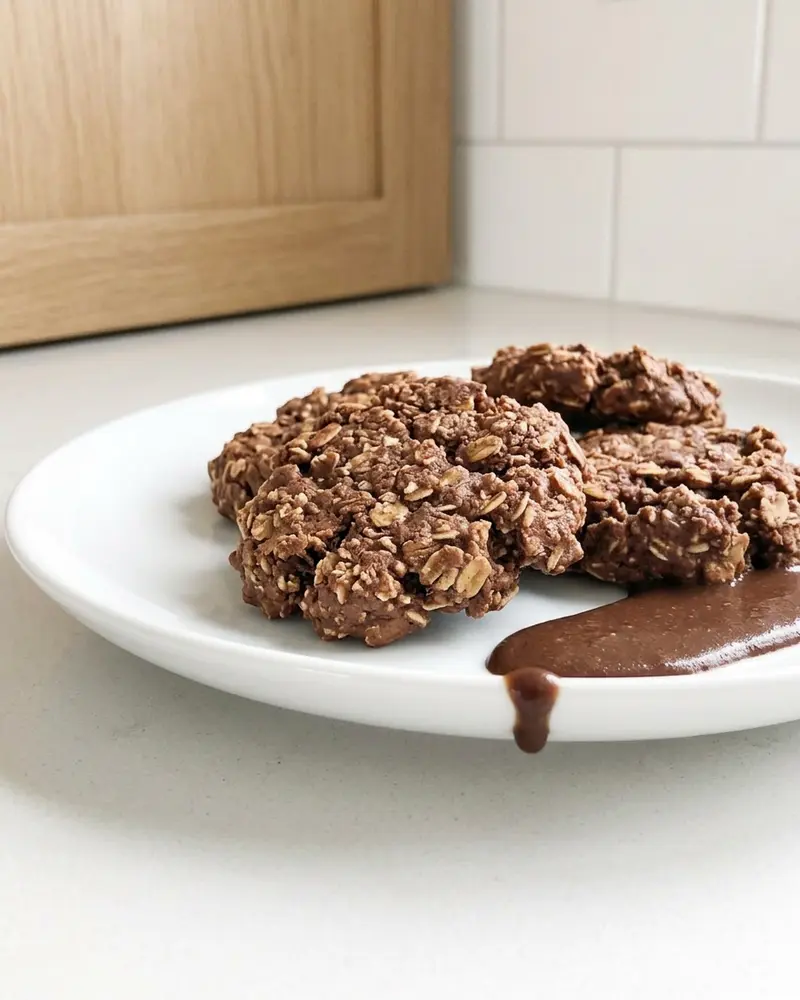
Ingredient Swaps & Substitutions
Nut Butter Alternatives
Peanut butter, almond butter, cashew butter, sunflower seed butter, and tahini all work. Each one brings a slightly different flavor and fat content, so the texture might vary a bit. Sunflower seed butter is the best nut-free option, and tahini adds a subtle sesame flavor that pairs well with chocolate.
Sweetener Options
White sugar, coconut sugar, honey, maple syrup, agave, and keto sweeteners all have their place. Liquid sweeteners add moisture, so you might need to adjust the dry ingredients. Keto sweeteners don’t melt the same way, so those recipes rely more on fats to hold everything together. Pick the sweetener that fits your diet and adjust from there.
Milk Choices
Dairy milk, almond milk, oat milk, coconut milk, and soy milk all work fine. The flavor difference is subtle once everything is mixed together. If you’re using a very thin plant milk, you might need a bit less liquid overall, but it’s usually a one-to-one swap.
Fat Swaps
Butter, coconut oil, and even ghee work as the fat base. Coconut oil is the most common dairy-free option and adds a hint of tropical flavor. Butter gives a richer, more classic taste. Ghee is a good middle ground if you’re avoiding dairy but still want that buttery note.
Flour & Grain-Free Options
Oats are standard, but almond flour, coconut flour, and shredded coconut all work for grain-free or keto versions. Almond flour makes the cookies denser and more filling. Coconut flour is very absorbent, so you’ll need less of it. Shredded coconut adds texture and a tropical vibe.
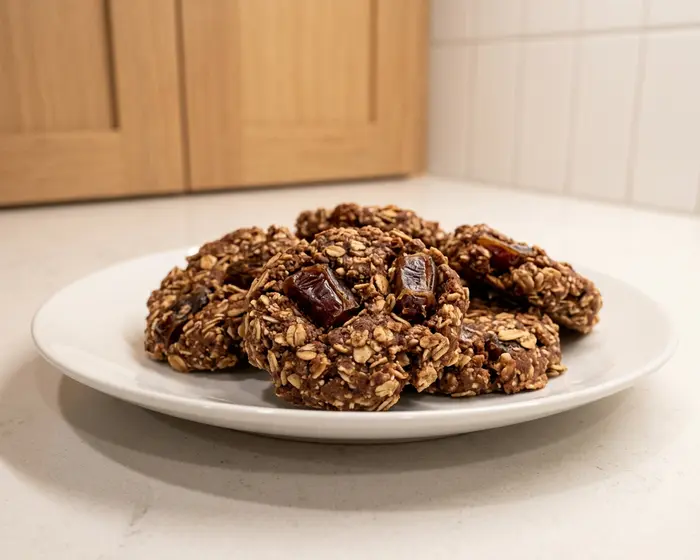
What to Serve With Healthy No Bake Cookies
These cookies are great on their own, but they also pair well with a few simple sides. A glass of cold milk—dairy or plant-based—is the classic choice. The creamy, mild flavor balances the sweetness and makes the cookies feel like a complete snack.
Fresh fruit works too. Sliced strawberries, apple wedges, or a handful of grapes add a juicy, refreshing contrast to the rich, chewy texture of the cookies. If you’re serving them as part of a dessert spread, try pairing them with No Bake Cheesecake Bites or a simple fruit salad.
For a cozy afternoon snack, serve them alongside a hot cup of coffee or tea. The warmth of the drink softens the cookies just a bit and brings out the chocolate and nut butter flavors. Herbal tea works especially well with the date-sweetened or carob versions, which have a naturally mellow sweetness.
If you’re packing them for lunch or a road trip, tuck them into a container with some trail mix or a cheese stick for a balanced snack that keeps you full. The protein and healthy fats in the cookies make them more satisfying than regular sweets, so they actually work as a mini meal when you’re on the go.
Variations & Flavor Add-Ins
Mix-In Ideas
Mini chocolate chips, chopped nuts, dried cranberries, shredded coconut, and cacao nibs all make good add-ins. Stir them in at the very end, right before you drop the cookies onto the parchment. Keep the total add-ins to a quarter cup or less per batch so the cookies still set properly.
Flavor Extracts
A teaspoon of vanilla extract, almond extract, or peppermint extract can change the whole vibe of the cookies. Vanilla is classic and works with everything. Almond extract pairs well with chocolate and coconut. Peppermint is great for a holiday twist.
Spices
A pinch of cinnamon, a dash of sea salt, or a hint of espresso powder can deepen the flavor. Cinnamon adds warmth and pairs especially well with the banana and date-sweetened versions. Sea salt on top makes the chocolate pop. Espresso powder intensifies the chocolate without adding coffee flavor.
Toppings
Drizzle melted dark chocolate over the top once the cookies are set, or sprinkle them with flaky sea salt, crushed freeze-dried fruit, or a dusting of cocoa powder. Toppings add a little visual interest and an extra hit of flavor without changing the base recipe.
Frequently Asked Questions
These are the questions I get most often about making healthy no bake cookies. If you’re running into trouble or just want to know more before you start, these answers should help.
For more detailed guidance on mastering the classic boil-and-set method that underpins all these variations, check out the Serious Eats guide to candy-making and sugar temperatures. Understanding how sugar behaves when you heat it explains why the boil time matters so much and helps you troubleshoot when things don’t set right.
Frequently Asked Questions
Can I make these recipes ahead of time?
Yes, these cookies are perfect for making ahead. Store them in an airtight container in the fridge for up to a week, or freeze them for up to three months. The flavor and texture actually improve after a day or two in the fridge once everything has had time to meld together. To freeze, layer the cookies between sheets of parchment paper in a freezer-safe container. When you’re ready to eat them, let them thaw in the fridge for a few hours or sit at room temperature for about twenty minutes.
What is the most common reason these cookies fail to set?
The most common reason is not boiling the mixture long enough. The sugar needs to reach the right temperature to set properly, so bring the mixture to a full rolling boil and keep it there for the full time the recipe calls for. If you pull it off the heat too soon, the cookies will stay soft and sticky even after chilling. Other reasons include using the wrong type of oats or adding too many mix-ins, which can prevent the cookies from firming up. If your first batch doesn’t set, try boiling a bit longer next time and make sure you’re using quick oats, not rolled or steel-cut.
Can I freeze these cookies for later?
Absolutely. Layer the cookies between sheets of parchment paper in a freezer-safe container and freeze for up to three months. When you’re ready to eat them, let them thaw in the fridge for a few hours or sit at room temperature for about twenty minutes. They soften up quickly, so don’t leave them out too long if you like them firm. Freezing is a great way to make a big batch and have healthy snacks on hand whenever you need them.
Which oats work best across these recipes?
Quick oats work best for most recipes because they’re finer and absorb liquid faster, which helps the cookies set properly. Rolled oats can work, but you might need to pulse them in a food processor first or add a bit more liquid to compensate for their coarser texture. Steel-cut oats are too coarse and won’t set properly, so skip those entirely. If you’re making a gluten-free version, make sure to use certified gluten-free oats to avoid cross-contamination.
What are the best dairy-free and nut-free alternatives?
For dairy-free, use coconut oil in place of butter and oat milk or almond milk instead of dairy milk. Coconut oil adds a subtle tropical flavor and sets firm in the fridge. For nut-free, sunflower seed butter or pumpkin seed butter replaces peanut butter or almond butter. Just make sure your sunflower butter is the no-stir kind, or the cookies can turn out greasy. If you need both dairy-free and nut-free, combine coconut oil, plant milk, and sunflower seed butter for a batch that’s safe for most allergies.