Fruit, citrus & seasonal desserts
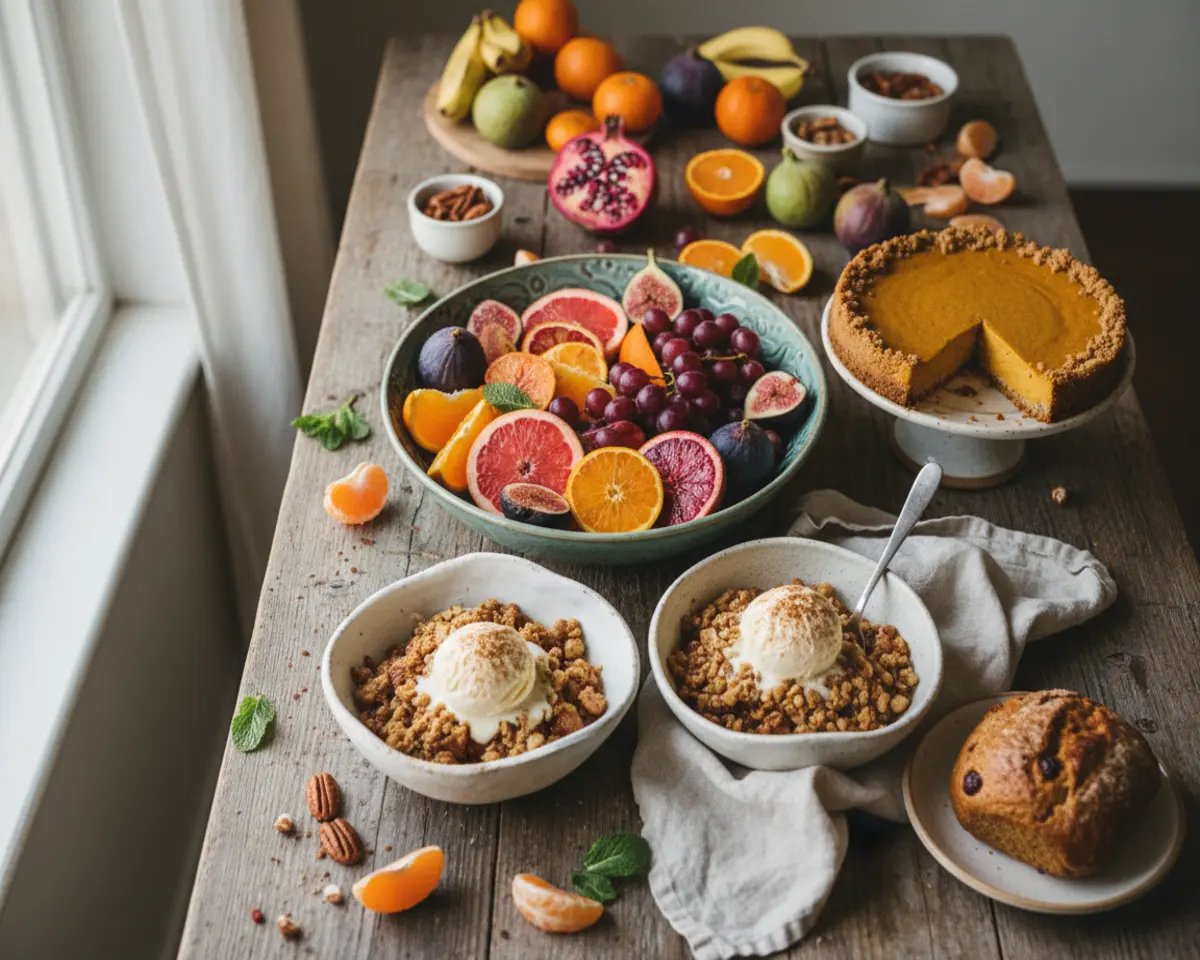
There’s something magical about biting into a dessert that tastes like sunshine—a tart lemon bar that makes you pucker with delight, a warm apple crisp that smells like October, or a strawberry tart that captures the essence of June.
I remember my grandmother’s kitchen counter lined with peaches every August, their fuzzy skins promising cobblers and pies that would disappear before they even cooled. Fruit, citrus & seasonal desserts aren’t just sweets; they’re edible calendars that mark time and celebrate what the earth gives us right now.
Table of Contents
These desserts connect us to the seasons in a way few other foods can. They force us to slow down, to wait for strawberries in spring and pears in fall, to savor the brief window when blood oranges appear or when stone fruits reach their peak.
I’ve spent years exploring how different fruits transform in the oven, how citrus zest can elevate the simplest cake, and how floral notes can add unexpected sophistication to familiar favorites.
The Quick Guide
Whether you’re working with orchard apples, tropical citrus, or whatever’s at the farmers market, here’s what you need to know about fruit, citrus & seasonal desserts:
- Seasonality matters: Fresh, in-season fruit delivers superior flavor and texture—frozen and preserved have their place, but peak-season produce makes magical desserts
- Balance sweetness: Different fruits need different sugar amounts; tart apples need more sweetness than ripe peaches, and citrus often needs sugar to balance acidity
- Master basic techniques: Maceration, roasting, poaching, and reducing intensify fruit flavors and control moisture in baked goods
- Pair thoughtfully: Certain flavors complement specific fruits—cinnamon with apples, cardamom with citrus, vanilla with stone fruits, almond with cherries
- Consider texture: Some fruits hold their shape when baked while others break down; this affects whether you’re making a tart, crisp, compote, or cake
Understanding Fruit, Citrus & Seasonal Desserts
Fruit desserts span an incredible range—from rustic cobblers to elegant tarts, from simple compotes to elaborate layered cakes. What unites them is their celebration of natural sweetness and the unique characteristics each fruit brings. Unlike chocolate or caramel desserts that taste similar year-round, fruit desserts change with the calendar.
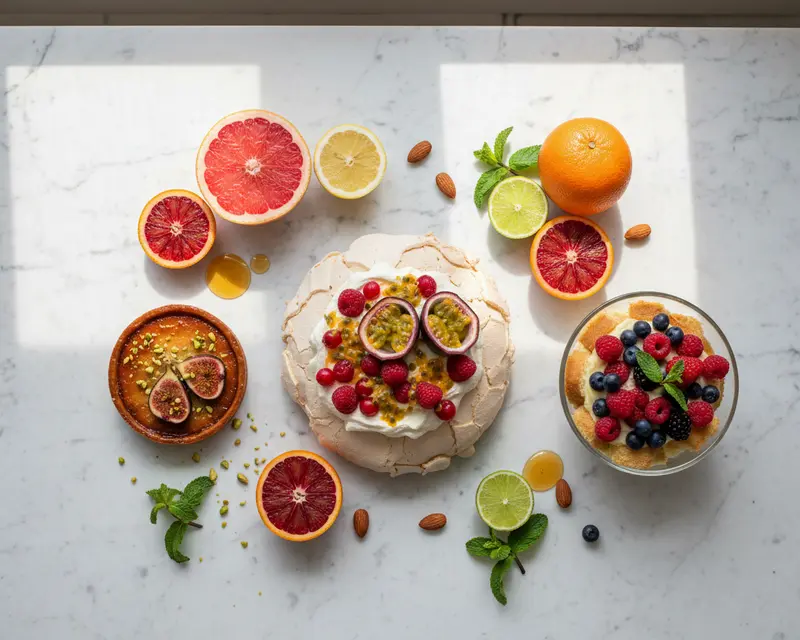
These recipes shine when you work with what’s ripe and ready. A strawberry shortcake in January using tasteless berries will never match one made in May with local fruit that smells like summer. Seasonal baking teaches patience and anticipation—you wait all year for perfect cherries or blood oranges, then you bake with abandon when they finally arrive.
The beauty of fruit and citrus desserts lies in their versatility. They can be homey and comforting like a simple apple crisp, or sophisticated and restaurant-worthy like a citrus tart with candied peel. They adapt to dietary needs more easily than many desserts, often requiring less butter and sugar since the fruit provides natural sweetness and moisture.
The Ultimate Guide To Apple Desserts
Apples are the ultimate comfort fruit, transforming into countless beloved desserts from late summer through winter. Our comprehensive apple desserts guide walks you through choosing the right variety for baking, mastering classic apple pies and crisps, and exploring creative variations that showcase this versatile fruit in everything from elegant tarts to cozy cakes.
Fruit Citrus Floral Desserts
When you want desserts that feel bright, sophisticated, and unexpected, citrus and floral elements create magic together. This specialized collection of fruit citrus floral desserts explores how lemon, lime, orange, and grapefruit pair with delicate floral notes like lavender, rose, and elderflower to create desserts that taste elegant and complex without being overly sweet.
Expert Category Guide
Mastering fruit, citrus & seasonal desserts requires understanding techniques that differ from standard baking. Fruit introduces variables—moisture content, pectin levels, acidity, ripeness—that affect how desserts turn out. These foundational skills will transform your fruit baking from hit-or-miss to consistently delicious.
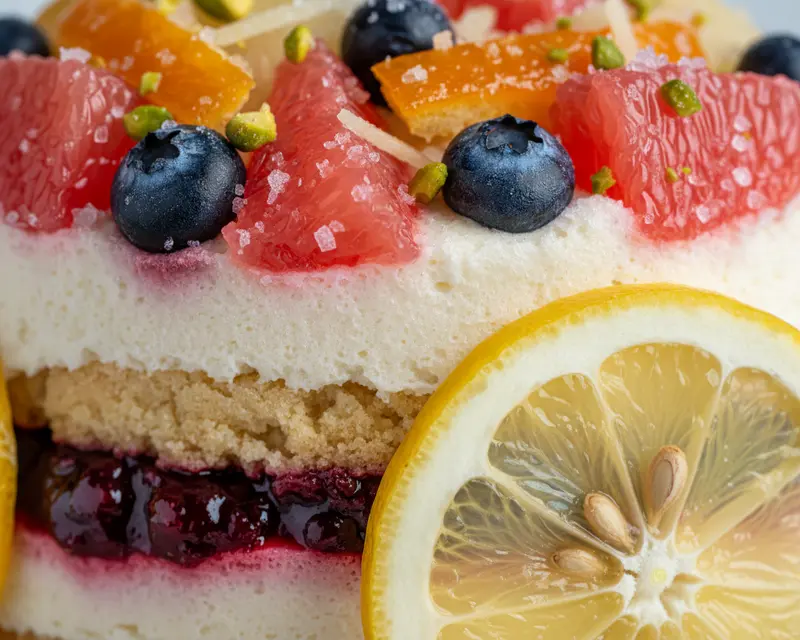
Essential Techniques
Maceration is the secret weapon for fruit desserts. Tossing fruit with sugar thirty minutes before baking draws out juices, concentrates flavor, and helps prevent soggy bottoms in pies and tarts. For berries, add a squeeze of lemon juice to brighten flavors. For stone fruits, a splash of vanilla or almond extract enhances their natural sweetness.
Roasting fruit before adding it to desserts intensifies flavor and reduces moisture. Halved plums, peaches, or figs roasted at 375°F for twenty minutes develop concentrated sweetness perfect for tarts and cakes. The caramelization that happens in the oven adds complexity you simply can’t achieve with raw fruit.
Controlling moisture is crucial. Too much liquid makes crusts soggy and cakes dense. Toss fruit with a tablespoon of cornstarch or tapioca starch before baking pies or crisps. For cakes, pat fruit dry with paper towels, and consider tossing it in flour to prevent sinking. For citrus desserts, use zest for intense flavor without adding liquid.
Balancing sweetness and acidity makes fruit desserts sing. Taste your fruit before measuring sugar—ripe peaches need less than tart apples. A pinch of salt enhances fruit flavor without adding saltiness. A splash of citrus juice brightens overly sweet fruits like very ripe bananas or mangoes.
Ingredient Spotlight
Choosing the right fruit variety matters more than most bakers realize. For pies and crisps, firm apples like Granny Smith, Honeycrisp, or Braeburn hold their shape and provide pleasant texture. Soft apples like McIntosh turn to mush. For tarts, you want fruit that stays intact—firm pears, whole berries, stone fruit halves.
Citrus zest delivers concentrated flavor without adding moisture. Use a microplane to remove just the colored part of the peel, avoiding bitter white pith. Lemon zest brightens berry desserts, orange zest complements chocolate and cranberries, and lime zest pairs beautifully with tropical fruits and coconut.
Thickeners vary in how they work with fruit. Cornstarch creates a glossy, clear filling perfect for berry pies. Tapioca starch handles acidic fruits better and works well for apple and cherry pies. Flour creates a more opaque filling and works for rustic desserts. Use about one tablespoon per cup of fruit as a starting point.
Spices and extracts complement specific fruits in classic pairings. Cinnamon, nutmeg, and allspice enhance apples and pears. Cardamom and ginger brighten citrus and stone fruits. Vanilla complements virtually everything. Almond extract intensifies cherry and apricot flavors. Start with small amounts—quarter teaspoon—and adjust to taste.
Seasonal Considerations
Spring brings the first fresh fruits after winter—rhubarb appears in April, strawberries in May, cherries in June. These fruits are often tart and benefit from adequate sweetening. Spring is perfect for simple preparations that let delicate flavors shine—strawberry shortcake, rhubarb crumble, cherry clafoutis.
Summer offers peak abundance with berries, stone fruits, and melons. This is the time for fruit-forward desserts where quality produce is the star—fresh berry tarts, peach cobbler, plum galettes. Summer fruits are often sweet enough to use minimal sugar, letting their natural flavors dominate.
Fall delivers apples, pears, and the last stone fruits. These fruits handle longer baking times and warming spices beautifully. Fall is ideal for cozy, comforting desserts—apple pies, pear crisps, baked fruit compotes. The cooler weather makes heating your oven more appealing too.
Winter features citrus at its peak—blood oranges, Meyer lemons, and grapefruits. Winter is perfect for citrus-forward desserts that bring brightness to cold months—lemon bars, orange cakes, grapefruit tarts. Preserved and frozen fruits from summer also shine in winter cobblers and crisps.
Skill Level Guide
Beginners should start with forgiving fruit desserts that don’t require precise technique. Fruit crisps and cobblers are nearly foolproof—toss fruit with sugar and top with crumble or drop biscuits. Simple fruit compotes and roasted fruit served over ice cream build confidence while delivering impressive results.
Intermediate bakers can tackle single-crust galettes and rustic tarts that forgive imperfect pastry work. Practice making classic fruit pies with bottom and top crusts, learning to crimp edges and create steam vents. Experiment with upside-down cakes and fruit-studded quick breads that introduce fruit into batters.
Advanced bakers should master French fruit tarts with pastry cream bases and glazed fruit arrangements. Perfect lattice-top pies that weave strips evenly. Create showstopping layer cakes with fruit curds and fresh fruit. Experiment with challenging techniques like candying citrus peel or creating fruit gelee layers.
Expert-level projects include multi-component desserts like opera cakes with fruit layers, perfectly clear fruit aspics, and complex fruit entremets. Master making your own fruit preserves and jams from scratch to fill cakes and cookies. Develop your own recipes that balance fruit character with complementary flavors.
Storage & Make-Ahead Tips
Most baked fruit desserts taste best the day they’re made, but many components can be prepped ahead. Prepare pie dough up to three days in advance and refrigerate, or freeze it for three months. Fruit fillings can be made a day ahead and refrigerated, though you may need to drain excess liquid before using.
Fruit crisps and cobblers can be assembled completely and refrigerated overnight before baking. This actually improves flavor as fruit macerates with sugar. Bake directly from the fridge, adding five to ten minutes to the baking time. Already-baked crisps reheat well—fifteen minutes at 350°F restores crispness.
Citrus cakes and pound cakes studded with fruit actually improve after a day as flavors meld and texture settles. Store them tightly wrapped at room temperature for up to three days. Citrus curds keep refrigerated for one week and can be made ahead to fill tarts and cakes.
Whole fruit pies freeze beautifully before or after baking. Freeze unbaked pies solid, then wrap tightly in plastic and foil for up to three months. Bake from frozen, adding fifteen to twenty minutes to baking time. Baked and cooled pies can be frozen for two months—thaw overnight in the refrigerator before serving.
Choosing The Right Fruit Dessert
With so many options, knowing which direction to take can feel overwhelming. The right choice depends on several factors—what fruit is available, how much time you have, your skill level, and what kind of dessert experience you want to create.
Choose apple desserts when you want reliable, crowd-pleasing comfort food that works from September through March. Apple desserts are perfect for beginners because apples are widely available year-round and their firm texture forgives timing mistakes. They’re ideal for potlucks, holiday gatherings, and any time you want something that feels like a warm hug.
Choose fruit citrus floral desserts when you want something bright, elegant, and sophisticated. These work beautifully for spring and summer entertaining, bridal showers, afternoon tea, or anytime you want dessert that feels special and refined rather than rustic and homey.
For dietary considerations, fruit desserts offer flexibility. Many can be made gluten-free by substituting almond flour or gluten-free flour blends in crumbles and crusts. Fruit crisps topped with oat-based crumbles are naturally dairy-free when made with coconut oil instead of butter. Simple roasted or poached fruit served with dairy-free ice cream works for multiple dietary restrictions.
Time-constrained bakers should focus on simple preparations—fruit crisps bake in under an hour start to finish, while pies require several hours including crust-making and cooling. Weeknight desserts benefit from no-bake options like fresh fruit tarts using store-bought shells, or quick compotes simmered on the stovetop.
Skill level matters too. If you’re new to baking, stick with crisps, cobblers, and simple galettes that forgive imperfection. If you’re comfortable with pastry, challenge yourself with lattice-top pies and elaborate tarts. If you love a baking challenge, try multi-layer cakes incorporating fruit curds, fresh fruit, and complementary flavors.
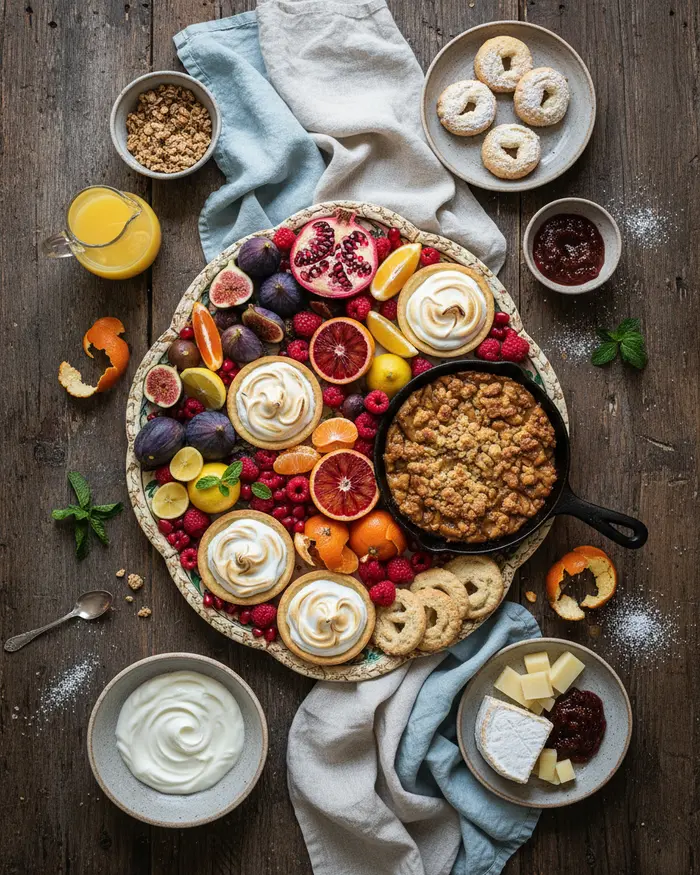
Ready to bake with the seasons? Start by exploring apple desserts for reliable classics, or dive into fruit citrus floral desserts for something elegant and unexpected. Save this guide so you always know which fruit desserts to make when your favorite produce hits peak season. Pin your favorite ideas to your dessert board and share with friends who love baking with fresh fruit.
What seasonal fruit are you most excited to bake with next?
Frequently Asked Questions
What are the best citrus fruits for desserts?
Lemons, oranges, limes, and grapefruits are excellent for desserts. Lemons provide tartness for pies and tarts, while oranges add sweetness to cakes and sorbets. Limes work well in key lime pie and mousses. Blood oranges and Meyer lemons offer unique flavors for sophisticated desserts. Zest from any citrus adds intense flavor.
How do I prevent fruit desserts from becoming watery?
Mix fruits with cornstarch or tapioca starch before baking to absorb excess liquid. Macerate fruits with sugar beforehand and drain excess juice. For pies, brush the bottom crust with egg white to create a barrier. Use ripe but firm fruits and avoid overly juicy varieties. Pre-cooking fruits can also reduce moisture content.
Which fruits are considered seasonal for winter desserts?
Winter brings citrus fruits like oranges, grapefruits, and clementines at their peak. Pomegranates, persimmons, and pears are excellent winter choices. Cranberries are perfect for holiday desserts. Apples store well and remain available. These fruits pair wonderfully with warm spices like cinnamon and nutmeg in winter treats.
Can I substitute fresh fruit with frozen in dessert recipes?
Yes, frozen fruit works well in most cooked desserts like pies, crisps, and compotes. Thaw and drain excess liquid before using. For baking, you can often use frozen fruit directly. However, fresh fruit is better for raw applications like fruit tarts or salads. Frozen fruit may have softer texture but retains nutritional value.
How should I store citrus-based desserts?
Most citrus desserts should be refrigerated in airtight containers. Lemon bars and citrus tarts keep for 3-4 days refrigerated. Citrus cakes can stay at room temperature for 2 days or refrigerated for a week. Mousses and puddings must be refrigerated and consumed within 3 days. Freeze citrus desserts for longer storage up to 3 months.