Tomato and Goat Cheese Tart
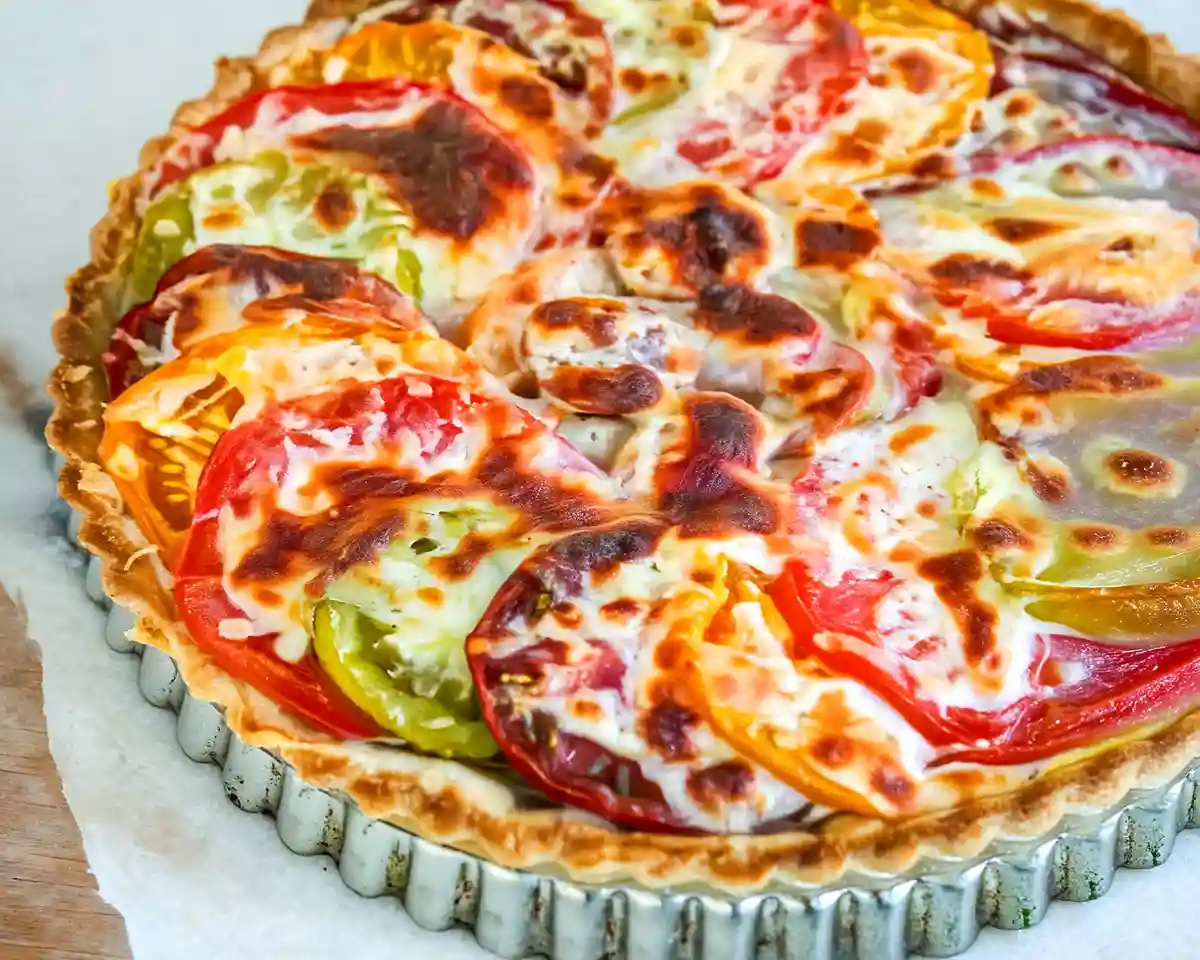
Discover how to make a stunning tomato and goat cheese tart with a buttery, flaky crust and layers of sweet caramelized onions. Perfect for entertaining!
This showstopping tomato and goat cheese tart combines a homemade, butter-rich pastry crust with creamy tangy goat cheese, sweet caramelized onions, fresh thyme, and jewel-toned heirloom tomatoes baked until the Parmesan bubbles golden on top—creating a rustic yet elegant appetizer or light lunch that looks far more impressive than it actually is to make.
There’s something absolutely magical about the moment you slice into a warm tart and the crispy crust shatters under your knife, revealing those layers of silky goat cheese, sweet onions, and concentrated tomato flavor.
I first made a version of this years ago for a summer dinner party when my garden had more tomatoes than I knew what to do with, and honestly, it’s been my go-to showstopper ever since.
Table of Contents
Why You’ll Love This Tomato and Goat Cheese Tart
This goat cheese tomato tart recipe isn’t just delicious—it’s a gateway to feeling like a confident baker. You’re working with a straightforward butter pastry that actually prefers being handled (unlike fussy all-butter crusts that punish you for touching them), and the whole thing comes together without fancy techniques or equipment beyond what’s probably already in your kitchen.
The flavor contrast is chef’s kiss—tangy goat cheese playing against sweet, jammy tomatoes and caramelized onions, with fresh thyme threading through everything. Plus, this is one of those recipes that looks like you spent hours fussing, but between you and me, most of the time is just the dough chilling. Your guests won’t believe you made it from scratch.
According to King Arthur Baking’s pastry science guide, the combination of all-purpose and cake flour creates a tender crumb while maintaining enough structure to hold the filling—that’s the secret behind why this crust is so forgiving and reliably delicious.
Love savory pastries for entertaining? Our easy crawfish mini pies deliver the same flaky, golden crust with a rich, flavorful filling—perfect for parties or any casual gathering.
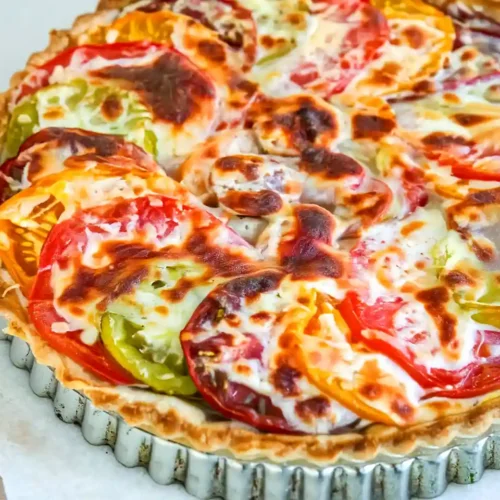
Tomato and Goat Cheese Tart
Equipment
- 9-inch tart pan with removable bottom
- Pastry blender
- Rolling Pin
- Parchment paper or foil
- Pie weights or dried beans
- Fork for docking
Ingredients
Tart Crust
- 2 sticks Unsalted butter cubed and cold
- ¾ cup + 1 TB All-purpose flour 100g
- 1 cup Cake flour 120g
- 1 tsp Kosher salt I use Diamond Crystal
- ½ tsp Baking powder
- 6 tbsp Ice water add more if dough seems too dry
Tart Filling
- 4 oz Goat cheese softened to room temperature
- 1 medium Yellow onion thinly sliced
- 6 Ripe tomatoes thinly sliced, heirloom varieties are perfect
- 1 handful Grape tomatoes halved
- 1 tbsp Olive oil
- ½ cup Freshly grated Parmesan cheese
- 1 tbsp Fresh thyme leaves leaves only
- to taste Salt and pepper
Instructions
- Cut your cold butter into small cubes and add them to a bowl with the flours, salt, and baking powder whisked together.
- Using a pastry blender, cut the butter into the flour mixture until the largest pieces are roughly the size of peas—you want it to look like coarse sand with a few visible pea-sized butter bits.
- Stir in the ice water until the dough just holds together when pressed. You’re not aiming for a smooth dough here; some slightly shaggy bits are your friends.
- Pat the dough into a disk, wrap it tightly in plastic, and chill for at least 2 hours (or overnight). The resting time lets the gluten relax and the butter stay cold and distinct, which creates those gorgeous flaky layers.
- While the dough chills, sauté your onion slices in olive oil over medium heat, stirring occasionally, until they’re golden, soft, and jammy—about 20–25 minutes. Season generously with salt and pepper, then set aside to cool completely.
- Preheat your oven to 350°F. Roll out the chilled dough on a lightly floured surface to roughly ⅛-inch thick.
- Gently roll it up onto your rolling pin and carefully place it inside the tart pan, pressing gently along the bottom and into every groove—no need to be perfect here; rustic is the vibe.
- Roll your rolling pin over the top edge of the pan to trim away excess dough. With a fork, dock the surface of the bottom crust by poking little holes all over to prevent puffing.
- Freeze for 15–20 minutes, or refrigerate overnight wrapped in plastic.
- For blind baking, cover your dough with parchment paper and fill it with pie weights or dried beans pushed all the way to the edges. Place the tart pan on a baking sheet and bake at 350°F for 15–18 minutes until the edges are just set.
- Remove the weights and parchment, then bake another 4–6 minutes until it’s light golden brown.
- While the crust blind bakes, mix your softened goat cheese with thyme leaves, salt, and pepper in a small bowl until creamy and spreadable.
- Once the crust is cool enough to handle, spread the goat cheese mixture evenly across the bottom. Scatter your caramelized onions over the cheese layer.
- Arrange tomato slices in a shingled pattern around the edge—overlap them slightly for that gorgeous rustic look. Place your halved grape tomatoes in the center, cut-side up. Season again with salt and pepper.
- Sprinkle Parmesan generously over the whole tart. Bake at 400°F for about 20 minutes until the cheese is bubbly and starting to brown, rotating halfway through if needed.
- The tomatoes should be slightly softened and concentrated, not falling apart. Let cool for at least 5 minutes before slicing.
Notes
Nutrition
Nutritional Peek
| Per Serving | Amount |
|---|---|
| Calories | 380 |
| Protein | 9g |
| Carbohydrates | 28g |
| Fat | 26g |
| Fiber | 2g |
Ingredients for the Easy Tomato and Goat Cheese Tart
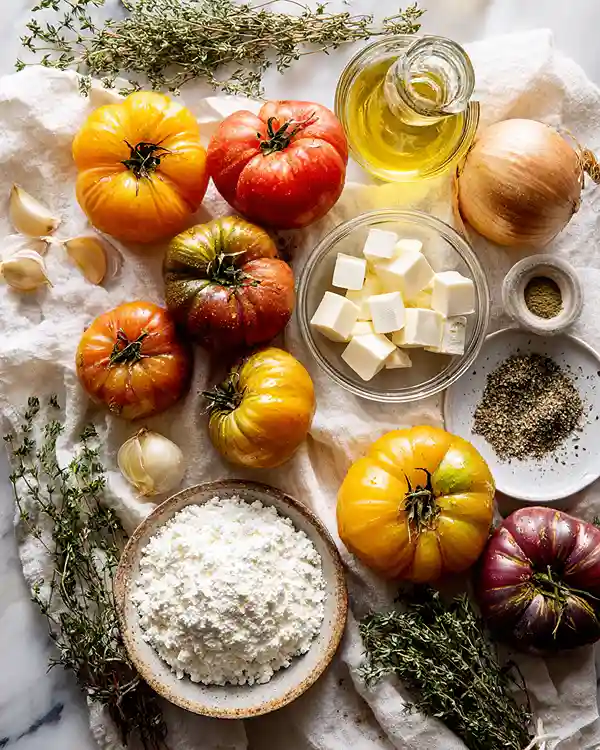
For an easy tomato and goat cheese tart, you’ll want to gather these simple, quality ingredients—this is truly a recipe where each component shines, so don’t skip the fresh thyme or reach for watery supermarket tomatoes.
| Amount | Ingredient |
|---|---|
| Crust | |
| 2 sticks | Unsalted butter, cubed (I use cold, salted butter actually works here too, so adjust salt accordingly) |
| ¾ cup + 1 TB | All-purpose flour (100g) |
| 1 cup | Cake flour (120g) |
| 1 tsp | Kosher salt *I use Diamond Crystal for the bigger crystals |
| ½ tsp | Baking powder |
| 6 tbsp | Ice water (add a touch more if dough seems too dry) |
| Filling | |
| 4 oz | Goat cheese, softened to room temperature |
| 1 medium | Yellow onion, thinly sliced |
| 6 | Ripe tomatoes, thinly sliced (heirloom varieties are perfect here) |
| Handful | Grape tomatoes, halved |
| 1 tbsp | Olive oil |
| ½ cup | Freshly grated Parmesan cheese |
| 1 tbsp | Fresh thyme leaves only |
| To taste | Salt and pepper |
Equipment
- 9-inch tart pan with removable bottom
- Pastry blender (or two forks in a pinch)
- Rolling pin
- Baking sheet
- Parchment paper or foil
- Pie weights or dried beans
- Fork for docking
Step-by-Step Instructions for Tomato and Goat Cheese Puff Pastry Tart
Making the crust is where the magic starts—don’t be intimidated by pastry. Cut your cold butter into small cubes (seriously, the smaller the cubes, the flakier your crust), and add them to a bowl with the flours, salt, and baking powder whisked together.
Using a pastry blender, cut the butter into the flour mixture until the largest pieces are roughly the size of peas—you want it to look like coarse sand with a few visible pea-sized butter bits. Stir in the ice water until the dough just holds together when pressed. You’re not aiming for a smooth dough here; some slightly shaggy bits are your friends.
Pat the dough into a disk, wrap it tightly in plastic, and chill for at least 2 hours (or overnight—this is your secret weapon for a flaky crust). The resting time lets the gluten relax and the butter stay cold and distinct, which creates those gorgeous flaky layers.
While the dough chills, sauté your onion slices in olive oil over medium heat, stirring occasionally, until they’re golden, soft, and jammy—about 20–25 minutes. Season generously with salt and pepper, then set aside to cool completely.
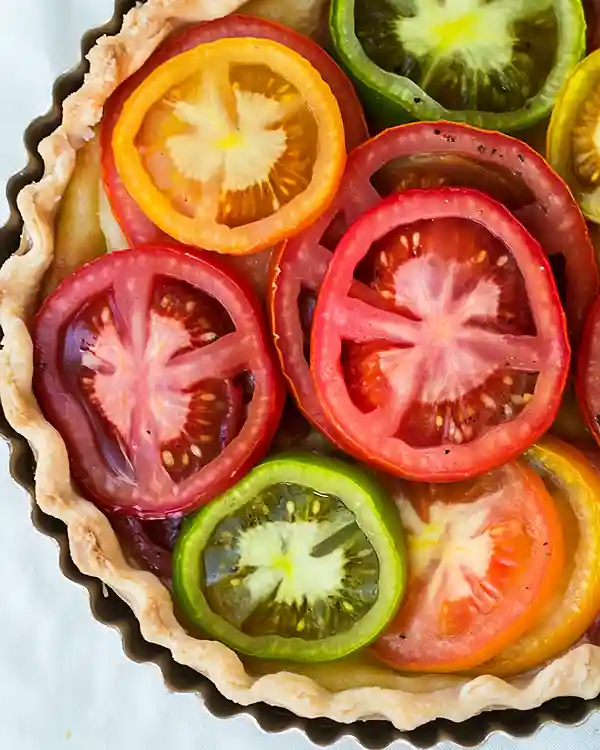
Preheat your oven to 350°F. Roll out the chilled dough on a lightly floured surface to roughly ⅛-inch thick. Gently roll it up onto your rolling pin and carefully place it inside the tart pan, pressing gently along the bottom and into every groove—no need to be perfect here; rustic is the vibe.
Roll your rolling pin over the top edge of the pan to trim away excess dough. With a fork, dock the surface of the bottom crust (poke little holes all over) to prevent puffing. Freeze for 15–20 minutes, or refrigerate overnight wrapped in plastic.
For blind baking, cover your dough with parchment paper and fill it with pie weights or dried beans pushed all the way to the edges. Place the tart pan on a baking sheet and bake at 350°F for 15–18 minutes until the edges are just set. Remove the weights and parchment, then bake another 4–6 minutes until it’s light golden brown.
While the crust blind bakes, mix your softened goat cheese with thyme leaves, salt, and pepper in a small bowl until creamy and spreadable.
Once the crust is cool enough to handle, spread the goat cheese mixture evenly across the bottom. Scatter your caramelized onions over the cheese layer, then arrange tomato slices in a shingled pattern around the edge—overlap them slightly for that gorgeous rustic look. Place your halved grape tomatoes in the center, cut-side up. Season again with salt and pepper.
Sprinkle Parmesan generously over the whole tart. Bake at 400°F for about 20 minutes until the cheese is bubbly and starting to brown, rotating halfway through if needed. The tomatoes should be slightly softened and concentrated, not falling apart.
Pro Tips & Guidance
For the perfect tomato goat cheese tart, choose tomatoes that are ripe but still firm enough to slice cleanly—over-ripe tomatoes weep liquid and make your crust soggy. Peak tomato season (mid-summer through early fall) is absolutely when to make this, though you can use quality hothouse tomatoes in a pinch.
The baking powder in this crust might seem unusual, but it’s a game-changer. According to America’s Test Kitchen’s pastry research, a tiny bit of baking powder encourages lift and creates a more tender crumb by neutralizing acids in the flour—you get that pastry-shop flakiness without fussing with lamination techniques.
Room-temperature goat cheese spreads like a dream without tearing your delicate crust. Set it out for 20 minutes before you start, and you’ll avoid that frustration of trying to smear cold cheese and accidentally puncturing the bottom.
Don’t skip the caramelization step with the onions—those 20+ minutes of gentle cooking transform sharp, raw onion into something deep, sweet, and incredible. It’s worth the time, I promise.
Troubleshooting Guide
What if my dough cracks when I’m fitting it into the pan? No worries at all—this is totally normal with this dough. Just pinch the crack together gently; it’ll seal right back up during baking. If you have a bigger tear, patch it with a small piece of dough from the trimmed edges.
Can I make the crust ahead of time? Absolutely! Wrap the unbaked crust (after trimming and docking) tightly in plastic and refrigerate for up to 2 days, or freeze for up to 3 months. If frozen, blind bake directly from the freezer, adding just a couple minutes to the baking time.
Why is my Parmesan not browning? Make sure you’re using freshly grated Parmesan from a block, not the pre-grated stuff (which has anti-caking agents that prevent browning). Spread it in an even layer and keep a close eye on it—oven temps vary, so yours might brown faster or slower than expected.
What if my tomatoes are releasing too much liquid? If you notice the tart getting soggy while baking, you can lightly salt your tomato slices 10 minutes before assembling and let them sit on a paper towel—this draws out excess moisture without compromising flavor.
Can I use different cheeses instead of goat cheese? Sure! Ricotta or a mild chèvre work beautifully, though you’ll lose that gorgeous tang. I wouldn’t use something sharp like aged cheddar, as it can overpower the delicate tomato flavor.
This recipe is just the start of something delicious. Browse the entire Fruit, citrus & floral desserts collection and discover all the ways you can bring more flavor to your table. Your family will thank you.
Variations & Twists
Try a tomato goat cheese tart with fresh basil instead of thyme, or add both for an extra herbaceous punch. A tiny drizzle of aged balsamic over the finished tart brings out tomato sweetness in a subtle but luxe way.
For spring, replace tomatoes with roasted asparagus or fresh peas mixed with the goat cheese. In fall, swap in caramelized apple slices with a sprinkle of rosemary—the seasonal shift is beautiful.
For a Mediterranean-inspired sweet pastry, try our fig cake with almond and honey—it’s packed with rustic flavor and showcases seasonal produce just like this tart.
Serving, Storage & Reheating
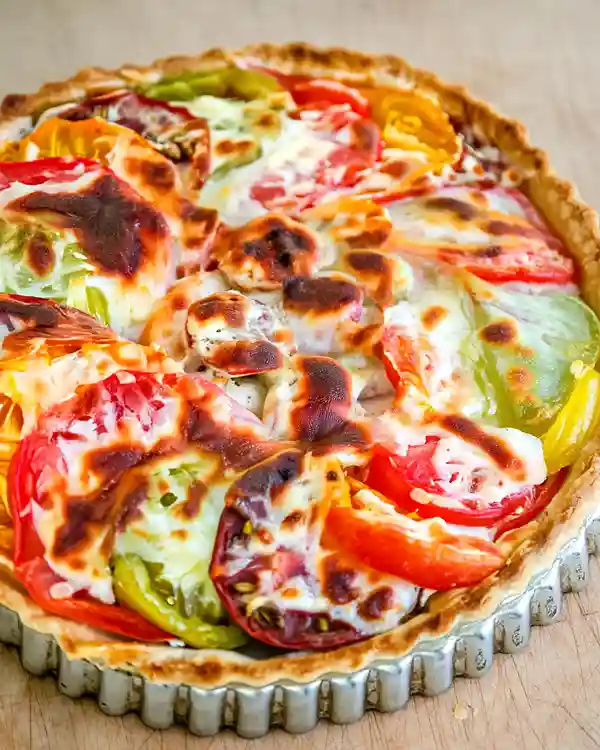
Serve this tart warm or at room temperature, ideally within an hour of coming out of the oven when the crust is crispiest. A simple green salad with lemon vinaigrette on the side is all you need—let the tart be the star.
Storage is simple: cover leftovers loosely with foil and refrigerate for up to 3 days. The crust will soften slightly, but the flavors actually deepen and meld beautifully.
To reheat, pop a slice onto a baking sheet and warm it at 325°F for about 8 minutes until the cheese is soft again and the crust has regained some of its crispness. A few seconds in the microwave will make the crust soggy, so please don’t do that.
No-Waste Kitchen Magic
- Tomato scraps or less-pretty slices? Roast them low and slow (around 250°F) with olive oil and herbs to make a concentrated tomato jam for sandwiches or grain bowls.
- Extra thyme? Toss it into compound butter with lemon and garlic for finishing steaks or roasted vegetables all week.
- Pastry trimmings? Brush with melted butter, sprinkle with sea salt and everything bagel seasoning, and bake them at 375°F until golden for crispy snacks.
FAQs (Schema-Ready)
Can I make this tomato and goat cheese tart ahead of time?
Yes! You can prepare the crust up to 2 days ahead (refrigerated) or freeze it for 3 months. The filling components (goat cheese mixture and caramelized onions) can be made a day ahead too. Assemble and bake just before serving for the crispiest crust.
What’s the best substitute for goat cheese in this tart?
Ricotta offers a milder, creamier alternative, or try a soft chèvre if you want less tang. Avoid hard cheeses like cheddar, which overpower the delicate tomato flavor. Cream cheese mixed with a pinch of lemon zest mimics the tanginess if you’re in a pinch.
Why did my pastry crust turn out tough instead of flaky?
You likely overworked the dough or used warm butter. Keep everything cold—cold butter, ice water, even chilled bowls help. Mix just until the dough holds together; stop as soon as you see it coming together. Overmixing develops gluten, which toughens the crust.
Can I use frozen tomatoes for this tart?
Fresh tomatoes are really the way to go for this recipe—frozen tomatoes release way too much liquid and become mushy. Save frozen tomatoes for sauces or soups instead.
What’s the best way to slice the tart without it falling apart?
A hot, sharp knife makes all the difference. Run your knife under hot water, wipe it dry, and use a gentle sawing motion rather than pressing down hard. Let the tart cool for at least 5 minutes after coming out of the oven before slicing.
Cozy Closing
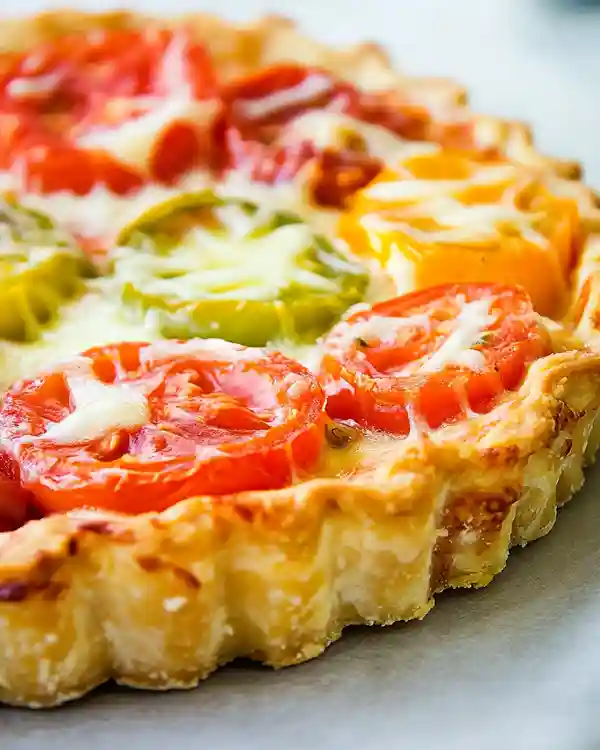
There’s real joy in pulling a golden, bubbling tomato and goat cheese tart from the oven and seeing everyone’s faces light up—especially when they realize you made that gorgeous pastry crust yourself.
This is the kind of recipe that makes you feel like a baker, and honestly, it deserves a spot in your regular rotation. I’d absolutely love to hear how yours turns out—drop a photo or a note in the comments below!
Baked with love by Rebeccah Ellene 🍅