Ice cream & frozen desserts
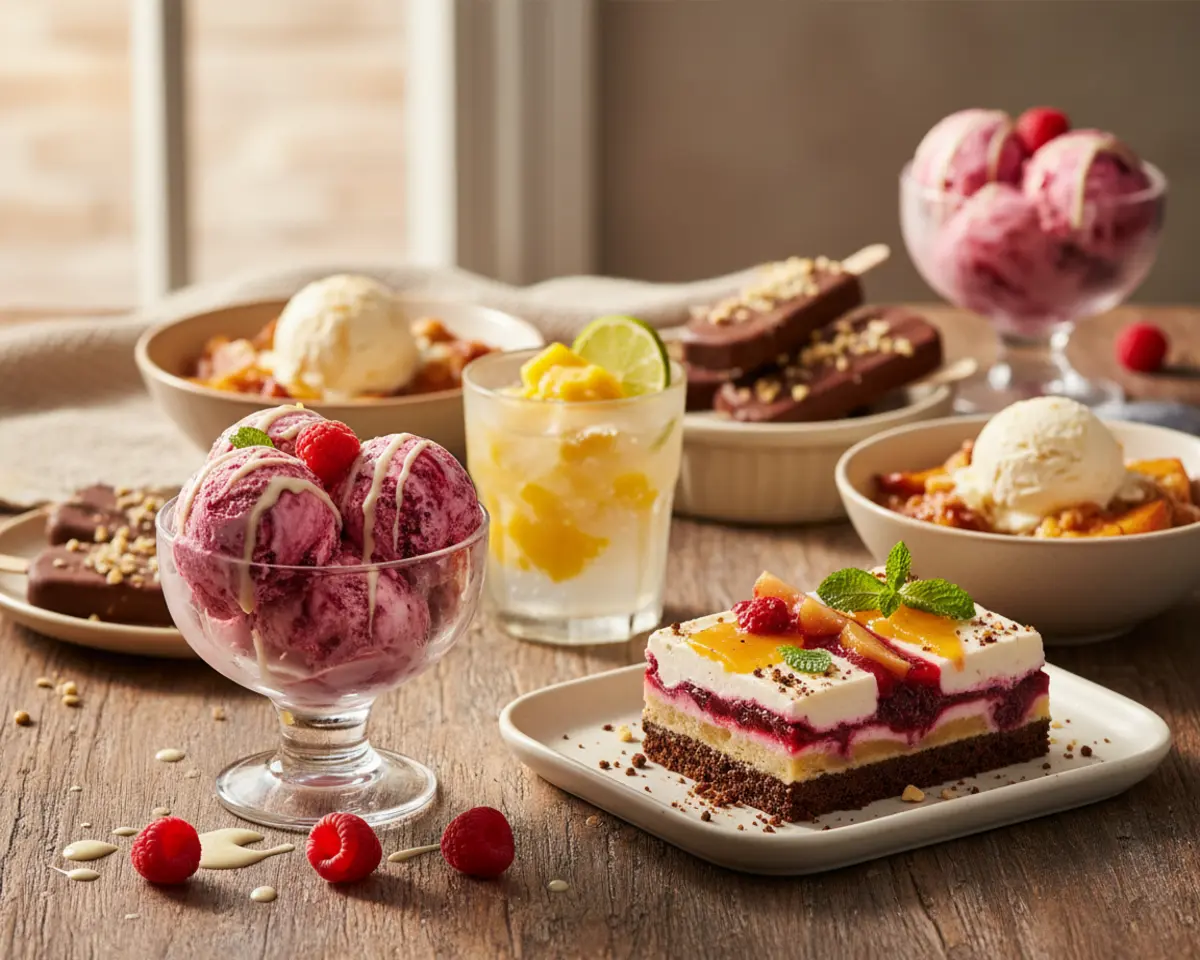
Discover our complete guide to ice cream & frozen desserts, from velvety homemade scoops to show-stopping frozen cakes. Whether you crave classic vanilla swirls or adventurous cardamom dreams, these tested recipes deliver creamy perfection every time.
I still remember the summer my ice cream maker broke mid-churn. Melted custard pooled on the counter while I frantically Googled no-churn methods. That messy afternoon taught me frozen desserts don’t need fancy gadgets—they just need solid technique and quality ingredients.
Now my freezer’s always stocked with pint containers labeled in Sharpie. My kids race home from school hoping for fresh batches. There’s something magical about transforming cream and sugar into silky scoops that make everyone smile.
Table of Contents
Quick Overview
This pillar covers everything you need to master ice cream and frozen desserts at home. You’ll find traditional churned ice creams, protein-packed Ninja Creami recipes, international treats like falooda, and elegant French meringue cakes.
Each recipe includes tips on texture, flavor balance, and storage so your frozen creations stay scoopable. We’ll explore both classic and inventive flavor profiles that work whether you own an ice cream maker or prefer simple no-churn methods.
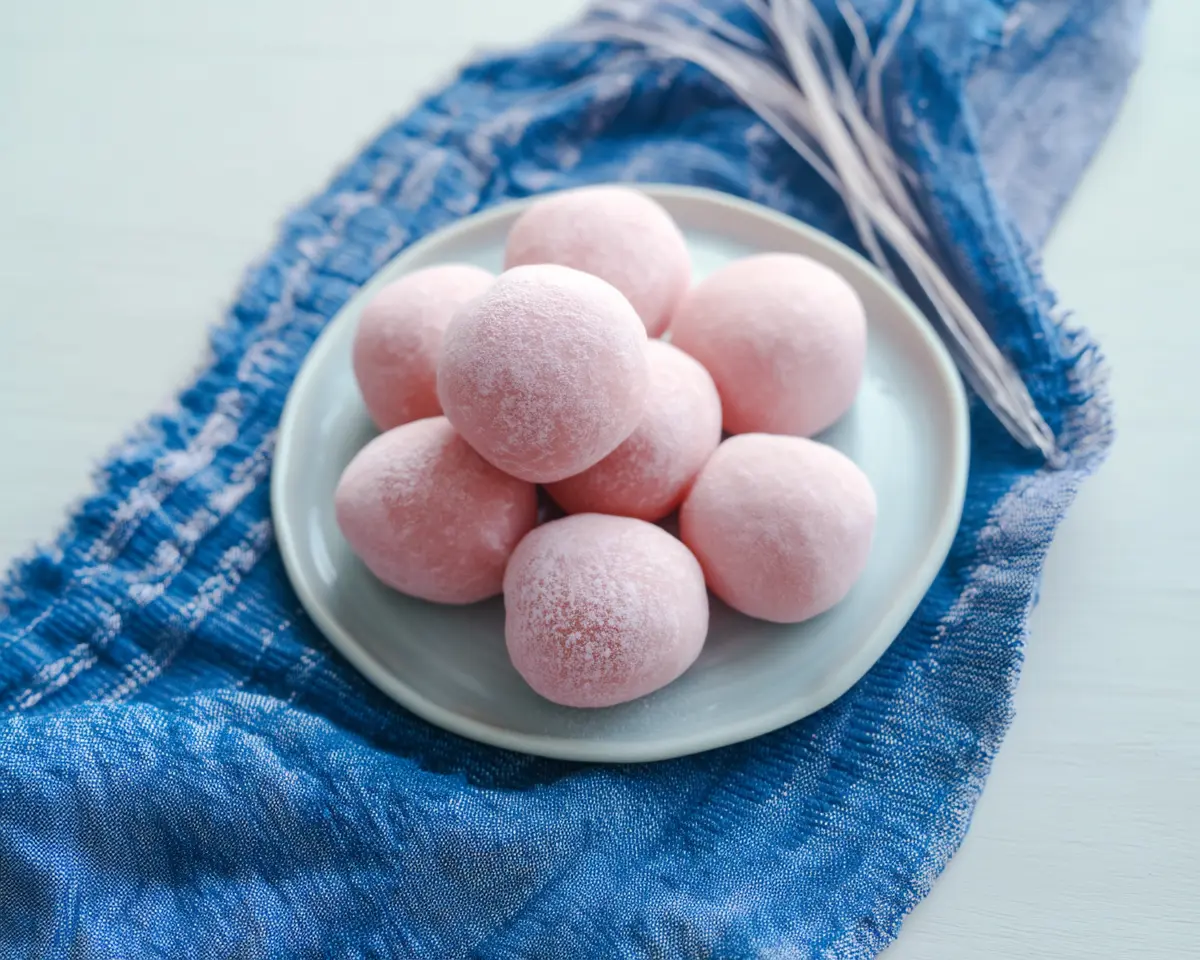
Chewy and Creamy Asian Ice Cream Dessert
This playful fusion dessert layers chewy mochi, sweet red beans, and silky ice cream for textural heaven. It’s inspired by Korean patbingsu and Japanese mochi ice cream but simplified for home kitchens. Try this delightful recipe when you want something fun and Instagram-worthy that still tastes authentic.
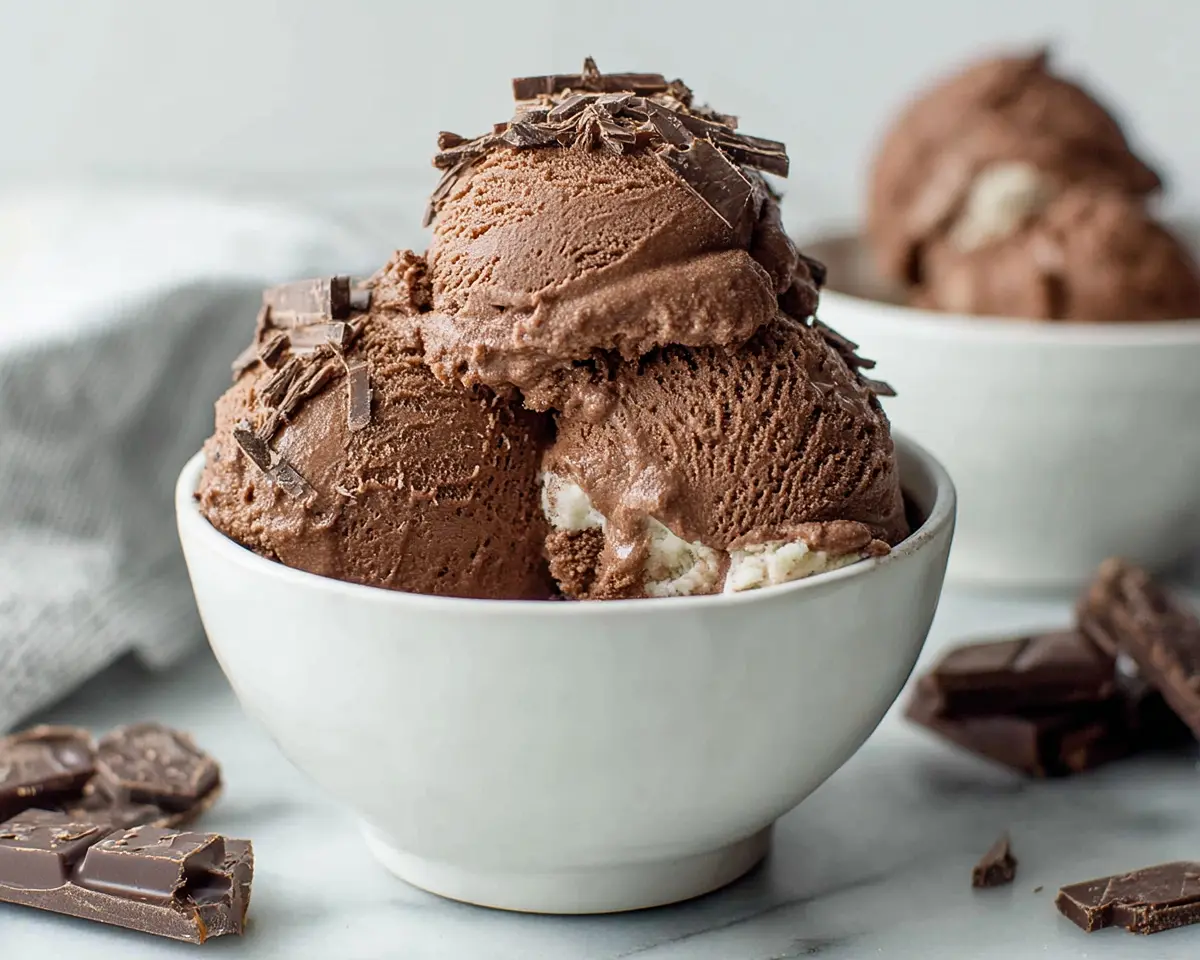
Chocolate and Vanilla Ice Cream
Sometimes you just need the classics done right. This side-by-side recipe teaches you to churn rich chocolate and pure vanilla in one session, perfect for sundae bars or cone nights. The technique works for any ice cream maker, and this tried-and-true method ensures both flavors stay creamy without ice crystals.
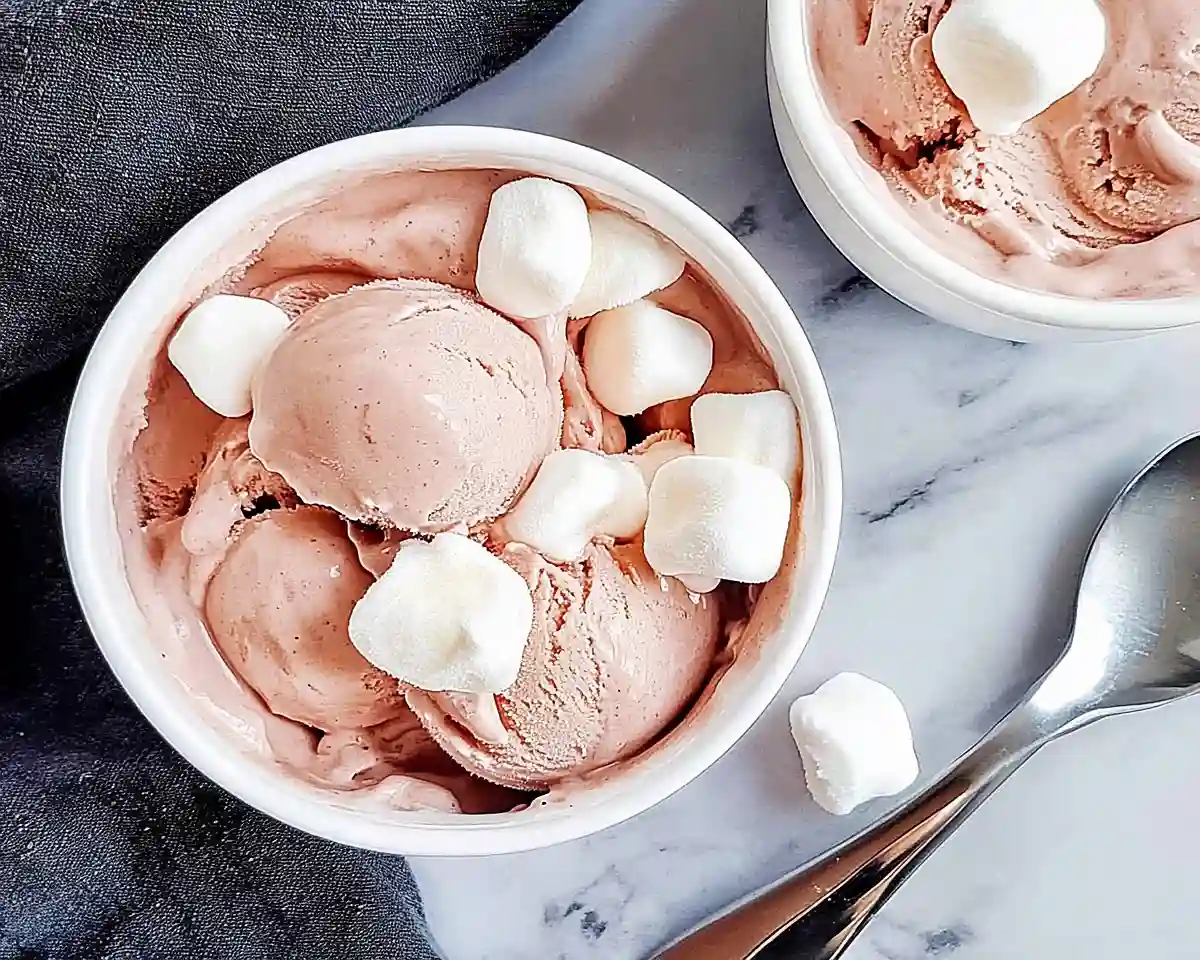
Chocolate Marshmallow Ice Cream
Imagine rocky road without the nuts—just swirls of gooey marshmallow ribbons through dark chocolate ice cream. This homemade ice cream recipe uses mini marshmallows that stay soft even when frozen, creating pockets of sweetness in every bite.
Check out this crowd-pleaser for birthday parties or movie nights when you want something extra indulgent.
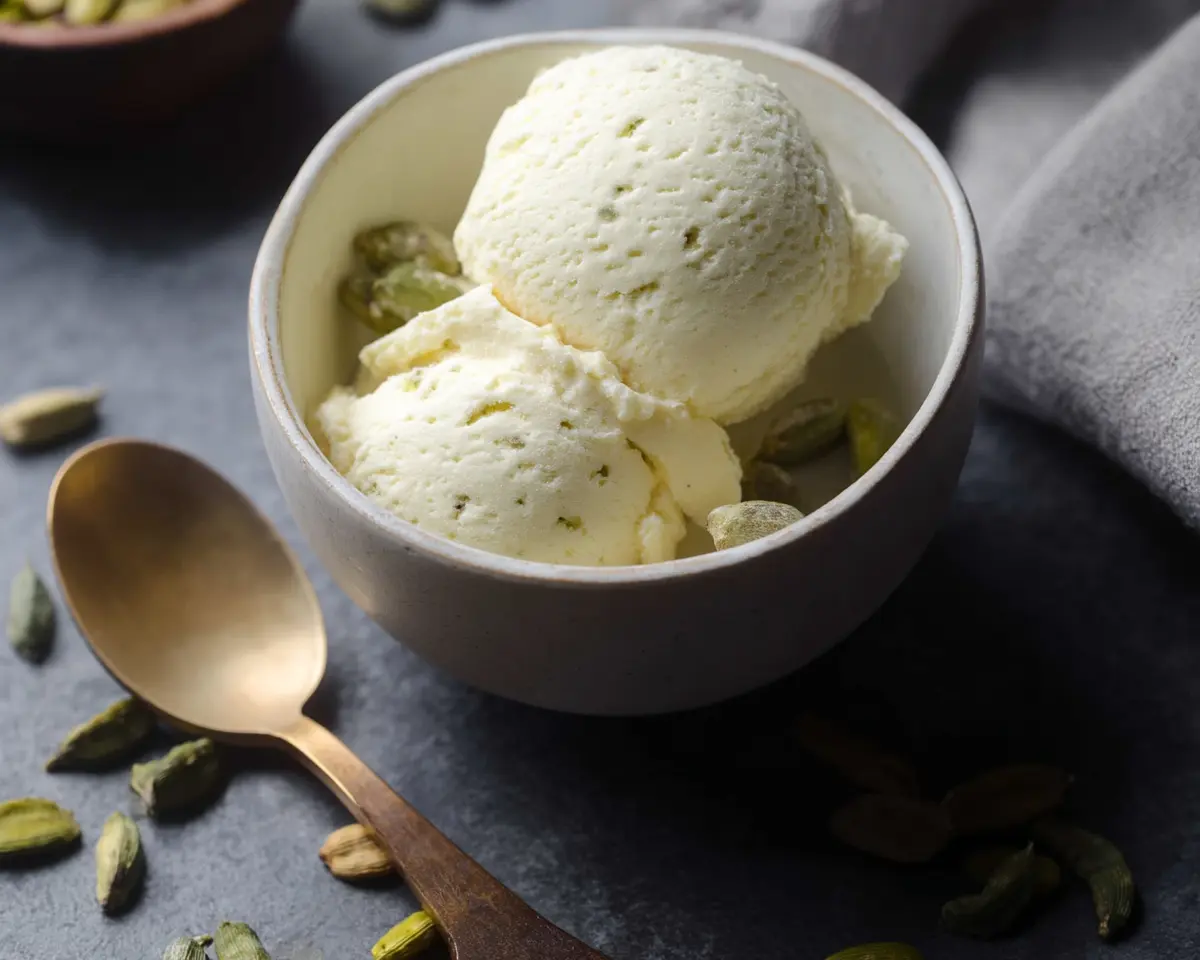
Dreamy Cardamom Ice Cream
Cardamom transforms ordinary vanilla into something hauntingly aromatic and sophisticated. This Middle Eastern-inspired ice cream balances warm spice with cool creaminess, making it ideal alongside baklava or berry compotes.
Give this exotic flavor a try and discover why cardamom ice cream is a staple in Indian and Persian cuisine.
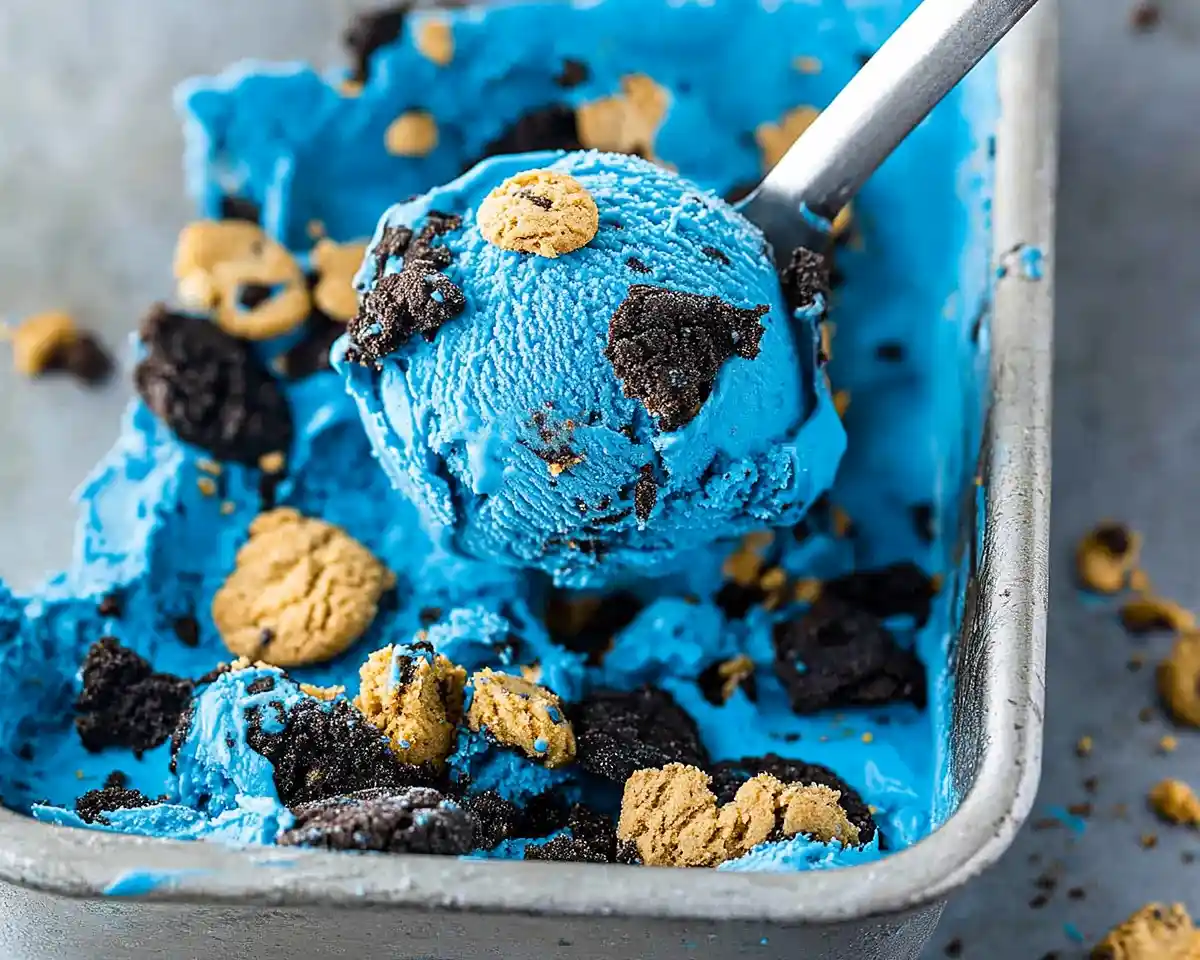
Easy Cookie Monster Ice Cream
Bright blue ice cream loaded with chocolate chip cookie chunks makes this a kids’ favorite that adults secretly devour too. It’s playful, ridiculously easy, and requires no fancy extracts—just food coloring and crushed cookies. Whip up this fun batch for birthday celebrations or when you need a dessert that sparks joy.
Falooda Ice Cream Dessert
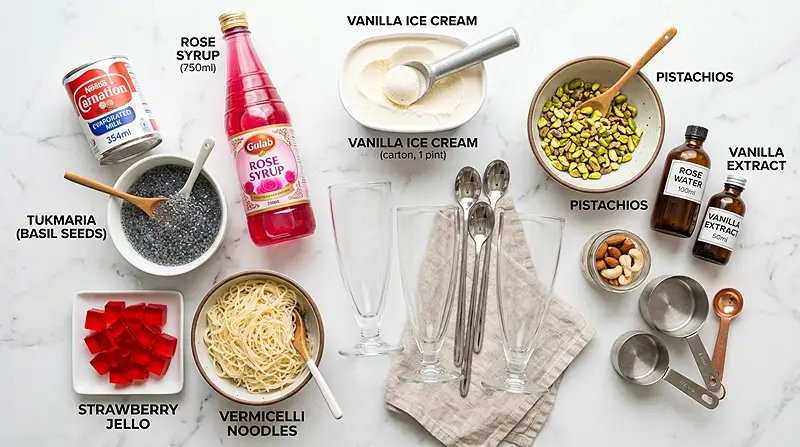
This South Asian stunner stacks rose-scented ice cream with vermicelli noodles, basil seeds, and sweet syrup in tall glasses. It’s part drink, part dessert, and completely mesmerizing to assemble and eat. Explore this layered treat when you want to impress guests with something unexpected and utterly delicious.
Ninja Creami Protein Ice Cream
High-protein, low-sugar, and still creamy? This Ninja Creami recipe proves you can have it all. It uses protein powder and Greek yogurt to create guilt-free scoops that actually taste indulgent. Make this healthy version for post-workout treats or when you’re watching macros but refuse to sacrifice dessert.

Vacherin Glacé Recipe (French Meringue Ice Cream Cake)
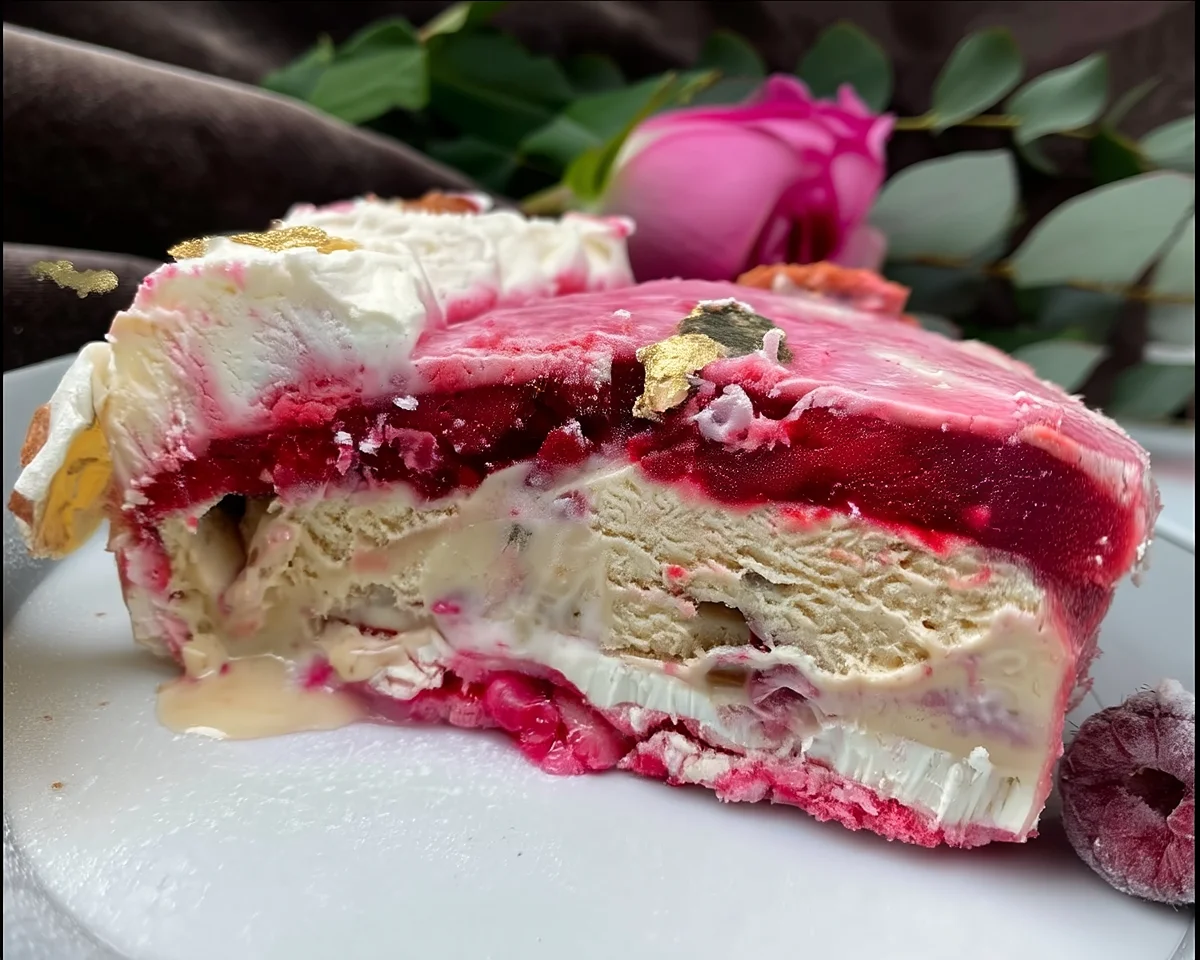
This elegant French dessert sandwiches ice cream between crisp meringue layers, creating a stunning frozen cake that looks bakery-worthy. It takes some patience but rewards you with a showstopper perfect for special occasions. Follow this detailed guide to master the technique and wow your dinner guests.
Silky Middle Eastern Ice Cream
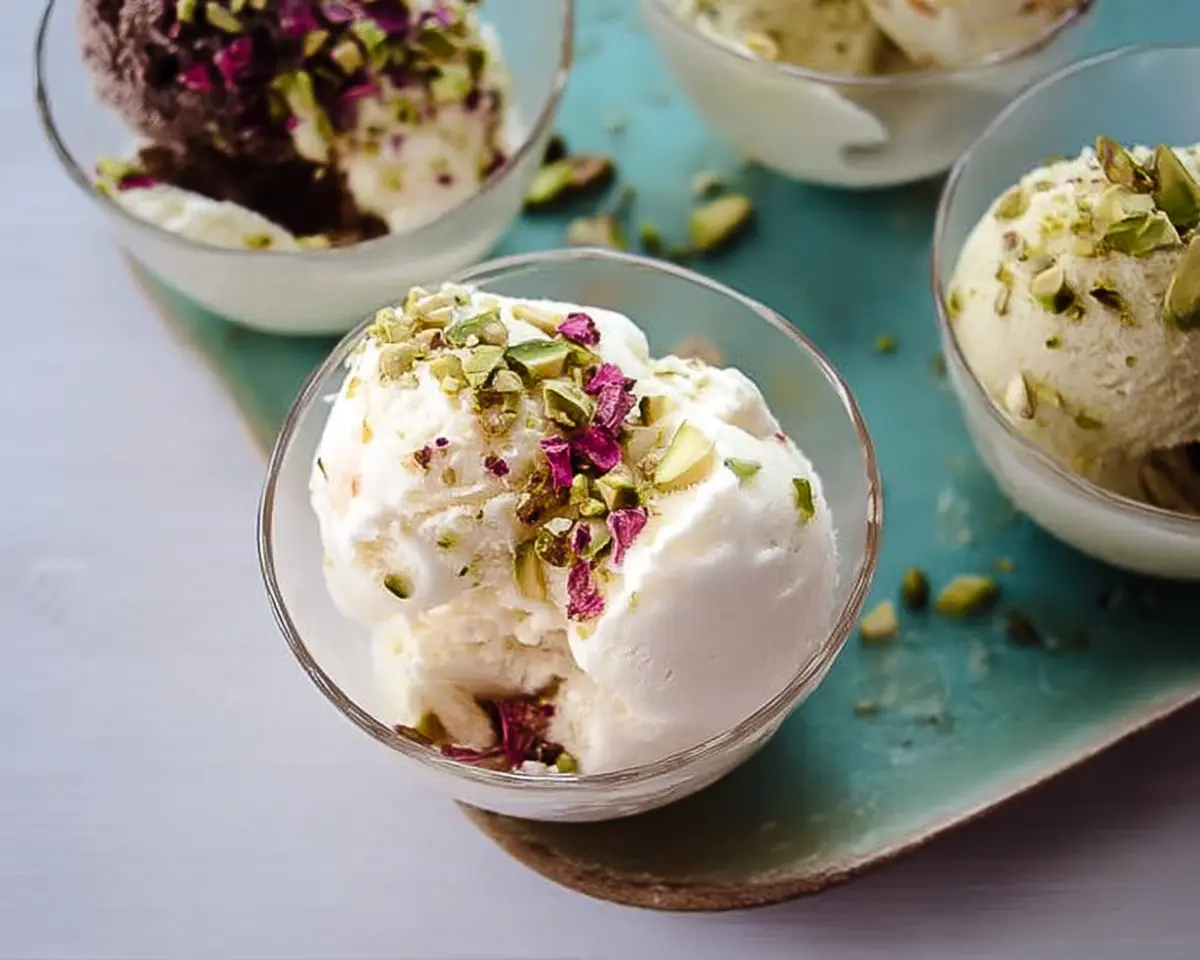
Also known as booza, this stretchy, chewy ice cream gets its unique texture from salep and mastic. It resists melting and has an almost elastic quality that’s unlike any Western ice cream. Dive into this authentic recipe for a taste of Levantine ice cream culture right in your kitchen.
Butter Pecan Ice Cream Recipe (Easy Homemade)
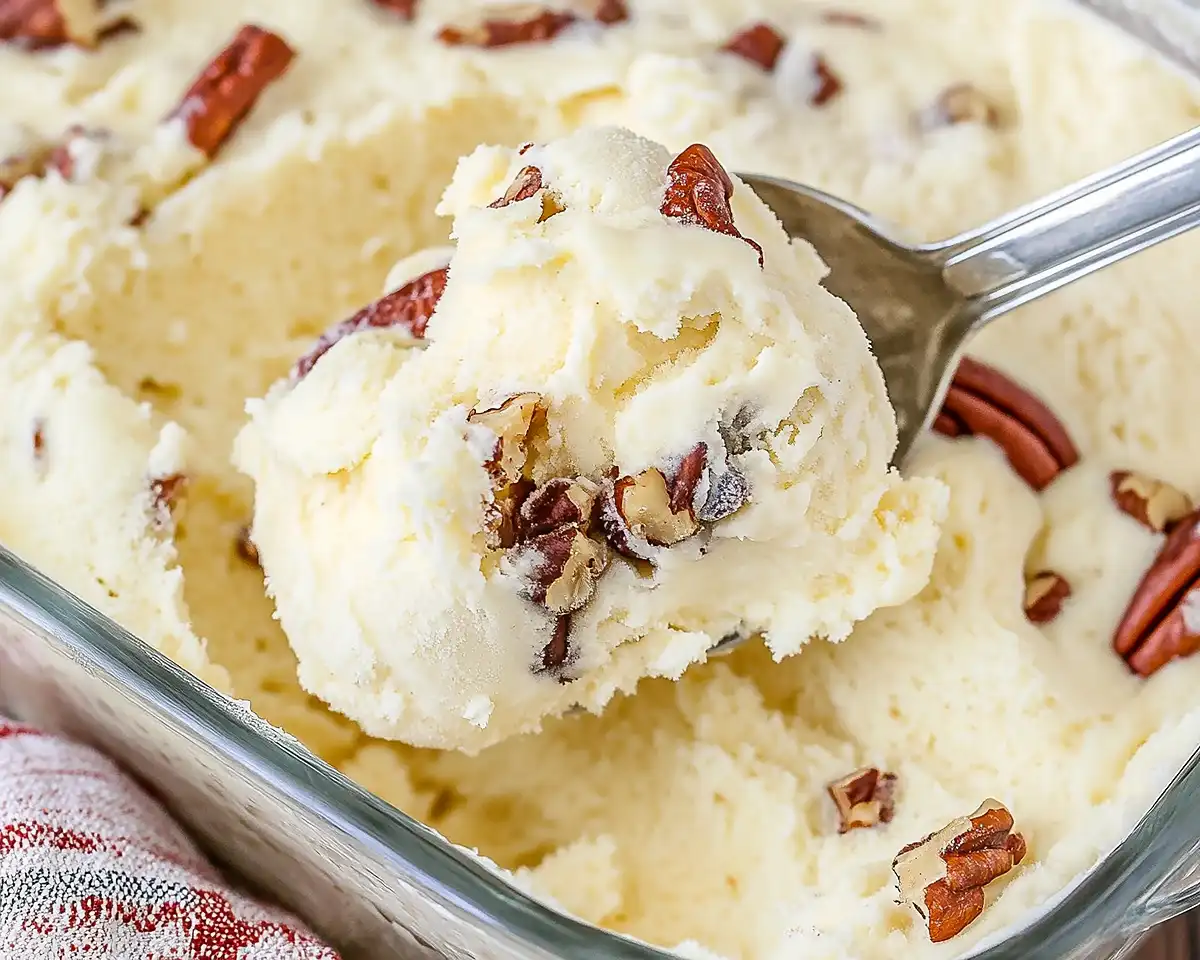
Toasted pecans folded into buttery ice cream create that nostalgic flavor grandma used to buy in cardboard tubs. This homemade version tastes richer and nuttier than anything from the supermarket. Master this classic and you’ll never go back to store-bought.
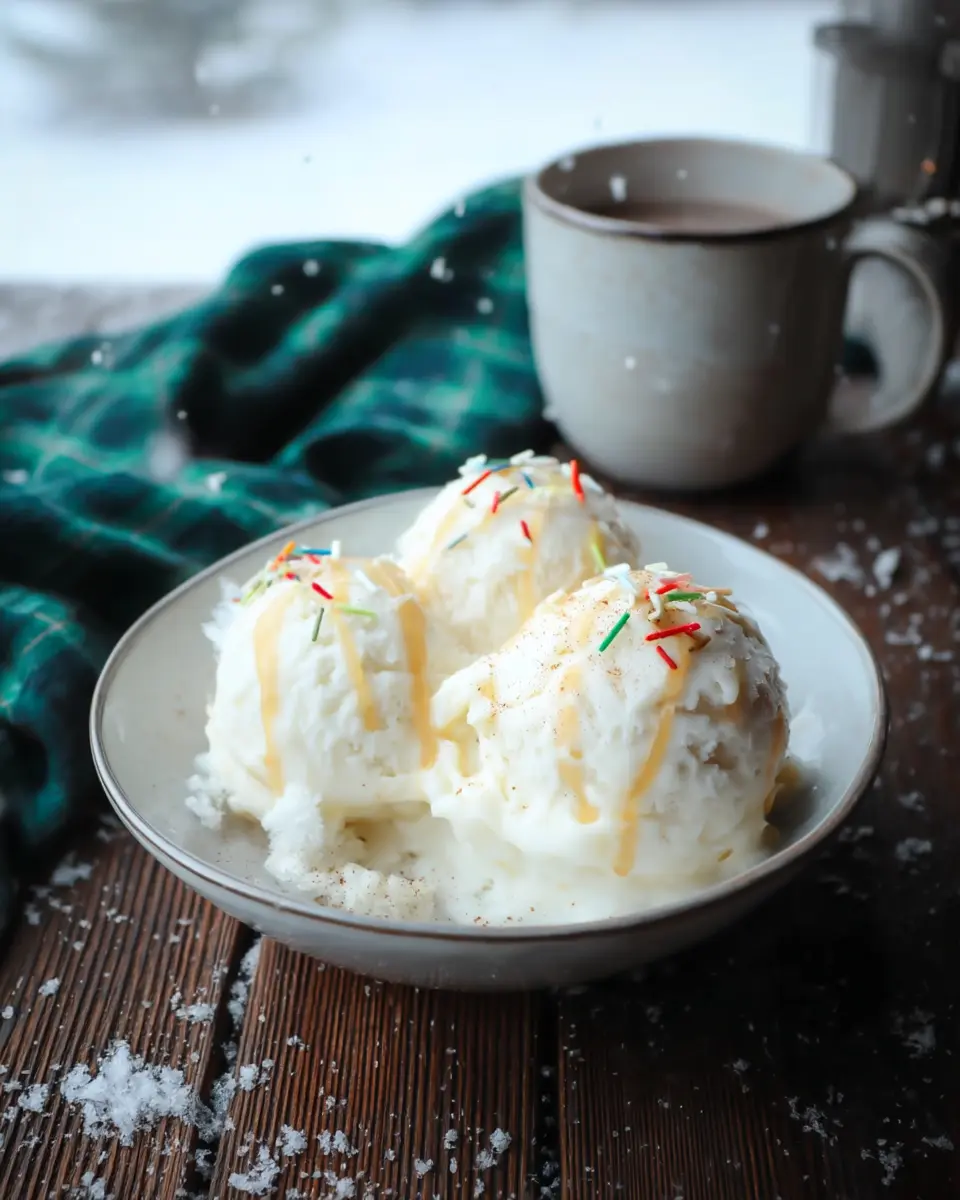
The Perfect Snow Ice Cream Condensed Milk
When winter drops fresh powder, grab a clean bowl and make this instant treat with just snow, condensed milk, and vanilla. It’s a nostalgic snow-day tradition that turns a blizzard into dessert time. Try this simple recipe next snowfall for pure childhood magic.
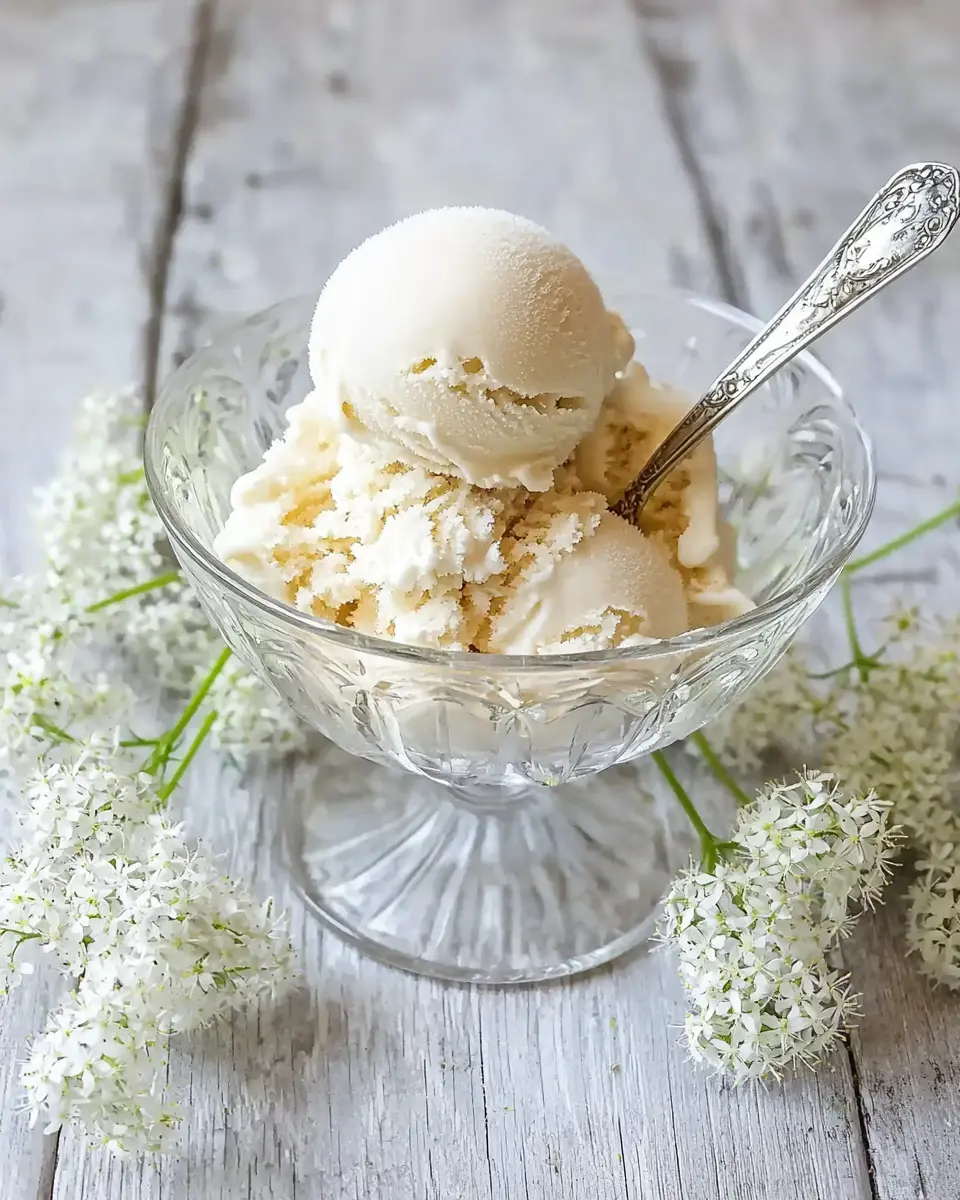
Ultimate Elderflower Ice Cream
Delicate elderflower syrup infuses this ice cream with floral, honey-like notes that taste like springtime in a scoop. It pairs beautifully with lemon curd or fresh berries for an elegant finish to any meal. Discover this floral gem when you want something sophisticated and subtly sweet.
Expert Tips for Perfect Ice Cream and Frozen Desserts
Temperature control makes or breaks homemade ice cream. Pre-freeze your ice cream maker bowl for at least 24 hours, and chill your custard base completely before churning. Serious Eats explains how rapid freezing creates smaller ice crystals, yielding that smooth, creamy texture we crave.
Fat and sugar aren’t just for flavor—they’re structural heroes. Higher fat content from cream or egg yolks creates richness and prevents iciness. Sugar lowers the freezing point, keeping scoops soft enough to serve straight from the freezer.
For no-churn recipes, whipped cream is your secret weapon. Folding air into sweetened condensed milk mimics the aeration ice cream makers provide, creating light, scoopable results without any equipment. Just remember to freeze in a shallow container so it sets evenly.
Storage matters more than you think. Press plastic wrap directly onto the ice cream surface before sealing the container to prevent freezer burn. Store ice cream in the back of the freezer where temperature stays most consistent, not in the door where it fluctuates every time someone grabs the milk.
Flavor Variations to Explore
Once you’ve mastered basic ice cream recipes, the flavor world opens wide. Swap vanilla extract for almond, coconut, or peppermint to completely change the profile. Fold in crushed cookies, brownie chunks, or caramel ribbons during the last minute of churning for mix-ins that stay evenly distributed.
Fruit purees work beautifully but need a little help. Strain out seeds and cook down the puree with sugar to concentrate flavors and reduce water content. Too much liquid creates icy texture, so aim for thick, jammy consistency before adding it to your base.
Alcohol adds sophisticated flavor but use it sparingly—it prevents freezing. A tablespoon of bourbon in butter pecan or rum in chocolate adds depth without turning your ice cream into slush. Liqueurs like Kahlua or Frangelico bring both flavor and sweetness in one pour.
Don’t forget savory experiments. Olive oil ice cream with sea salt, honey-lavender, or even bacon-maple push boundaries in the best way. Start with small batches when testing bold flavors so you’re not stuck with a quart of something weird.
Troubleshooting Common Ice Cream Problems
Icy, crystalline texture usually means you churned too slowly or your base wasn’t cold enough. Make sure your freezer bowl is rock-solid frozen and your custard is fridge-cold before you start. Churn until the mixture looks like soft-serve, then freeze immediately.
If your ice cream turns rock-hard overnight, you need more fat or sugar. Try increasing heavy cream ratio or adding a tablespoon of corn syrup, which stays soft even when frozen. Some recipes benefit from a splash of vodka to keep texture scoopable.
Grainy texture in custard-based ice creams means you overheated the eggs. Cook custard gently over medium-low heat, stirring constantly, until it coats the back of a spoon. Strain it through a fine-mesh sieve to catch any bits that might’ve scrambled.
Freezer burn happens when air reaches your ice cream. Always use airtight containers and that plastic wrap trick. Homemade ice cream lacks the stabilizers commercial brands use, so eat it within two weeks for best quality.
Equipment You Actually Need
An ice cream maker isn’t mandatory but it makes life easier. Freezer-bowl models work great for occasional batches, while compressor machines churn back-to-back without pre-freezing. If you’re serious about homemade ice cream, a compressor model is worth the investment.
No machine? No problem. The no-churn method using whipped cream and condensed milk delivers creamy results with just a bowl and whisk. You can also try the bag method—shake ice cream base in a sealed bag surrounded by ice and salt for a fun, kid-friendly science experiment.
A kitchen thermometer saves custard disasters. You’re aiming for 170-175°F when cooking egg-based bases—hot enough to thicken but cool enough to avoid scrambling. Digital instant-read thermometers give you precision without guesswork.
Invest in shallow, freezer-safe containers with tight lids. Wide, flat containers freeze ice cream faster and more evenly than tall, narrow ones. Label everything with masking tape and date so you remember what’s what after a month in the freezer.
Serving and Presentation Ideas
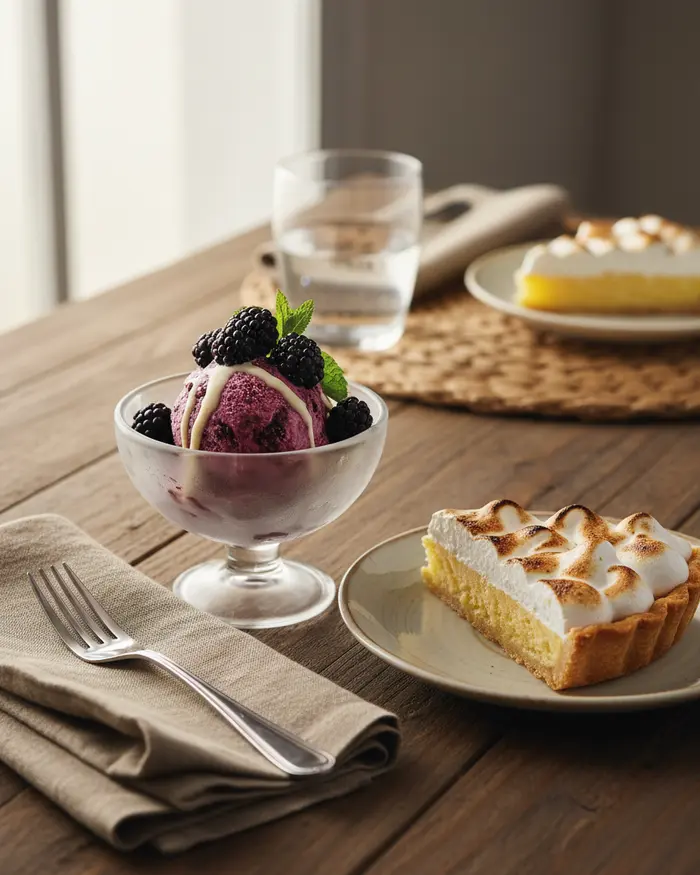
Let ice cream sit at room temperature for five minutes before scooping. A hot-water-dipped scoop glides through even the firmest pints, creating those perfect round spheres that look bakery-professional.
Build sundae bars for parties with multiple ice cream flavors, warm sauces, crushed cookies, and fresh fruit. Set out small bowls of toppings and let guests customize their creations. It’s interactive dessert that doubles as entertainment.
Sandwich ice cream between cookies, brownies, or waffles for handheld treats. Freeze assembled sandwiches wrapped individually in parchment for grab-and-go summer snacks that kids and adults devour equally.
Affogato—espresso poured over vanilla ice cream—turns simple scoops into elegant after-dinner desserts. The hot-cold contrast and bitter-sweet balance make it restaurant-worthy with minimal effort.
Start Churning Your Own Frozen Magic
Homemade ice cream beats store-bought every single time. You control the ingredients, customize flavors to your cravings, and create memories in the process. These ice cream recipes give you a solid foundation whether you’re team classic vanilla or adventurous cardamom.
Pick a recipe that speaks to you, gather your ingredients, and give it a shot. Your freezer—and your family—will thank you. Drop a comment and tell me which flavor you’re churning first, or share your favorite ice cream memory. Let’s make frozen desserts together.
Frequently Asked Questions
What is the difference between ice cream and gelato?
Ice cream typically contains more milk fat, usually 10-20%, and is churned at a faster speed which incorporates more air, making it lighter and fluffier. Gelato contains less milk fat, around 4-9%, is churned more slowly, resulting in a denser texture with less air, and is served at a slightly warmer temperature which enhances its flavor.
How long can you store ice cream in the freezer?
Unopened ice cream can last 2-3 months in the freezer while maintaining optimal quality. Once opened, ice cream is best consumed within 1-2 months. To prevent ice crystals and freezer burn, store ice cream in an airtight container and keep your freezer at 0 degrees Fahrenheit or below.
What are some popular dairy-free frozen dessert alternatives?
Popular dairy-free frozen desserts include those made with coconut milk, almond milk, oat milk, cashew milk, or soy milk as a base. Sorbet, which is made from fruit puree and sugar without any dairy, and Italian ice are also naturally dairy-free options. Many brands now offer plant-based versions that closely mimic traditional ice cream texture and taste.
Why does ice cream sometimes develop ice crystals?
Ice crystals form when ice cream experiences temperature fluctuations, causing it to partially melt and refreeze. This can happen when the freezer door is opened frequently, the freezer temperature is inconsistent, or the container is not properly sealed. These crystals create an unpleasant icy texture rather than the smooth, creamy consistency of fresh ice cream.
What is the main difference between sherbet and sorbet?
Sherbet contains a small amount of dairy, typically 1-2% milk fat, along with fruit juice or puree, sugar, and water. Sorbet is completely dairy-free and made only from fruit puree or juice, sugar, and water. This makes sorbet suitable for vegans and those with lactose intolerance, while sherbet has a slightly creamier texture due to its dairy content.