2 Ingredient Japanese Cheesecake
This cloud-soft 2 ingredient Japanese cheesecake needs zero baking and just 5 minutes of prep. You won’t believe the texture. Grab the recipe now!
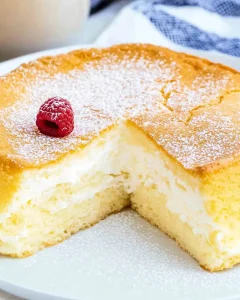
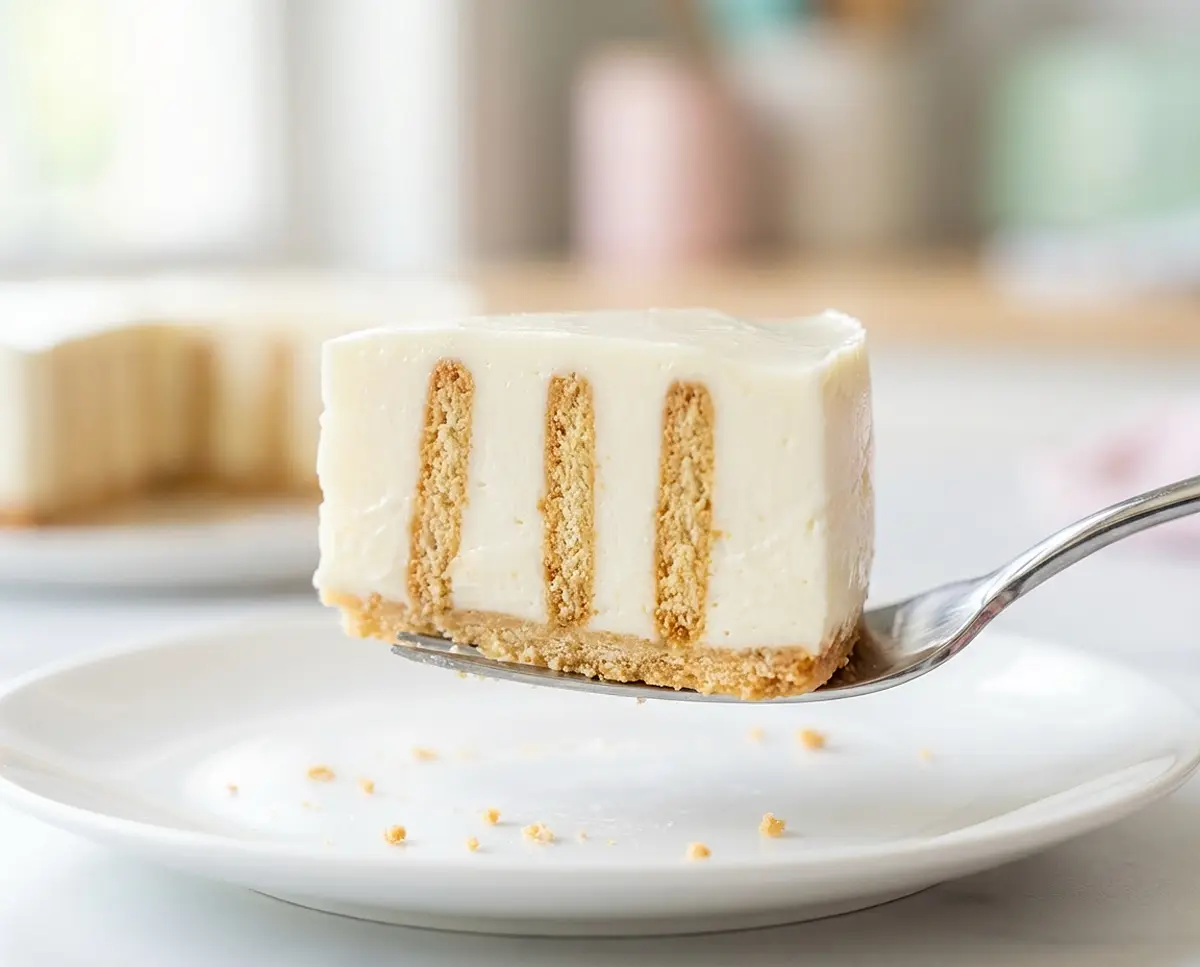
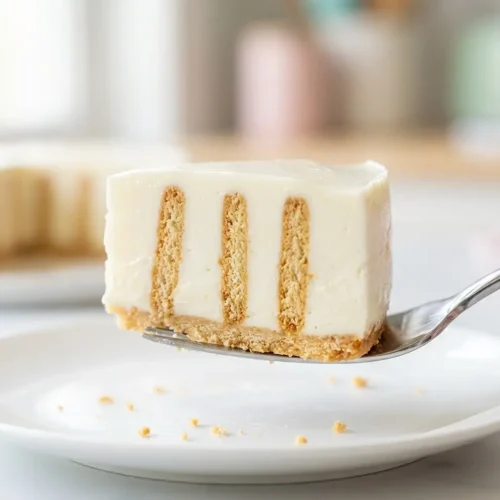
This impossibly fluffy 2 ingredient Japanese cheesecake transforms thick Greek yogurt and crisp coconut sablé cookies into a silky, cloud-like no-bake dessert with a buttery cookie crumb that softens into a melt-on-your-tongue base—no eggs, no flour, no baking required.
The tangy yogurt sets into a creamy, cheesecake-like filling while the cookies absorb just enough moisture to mimic a classic Japanese cotton cheesecake texture that practically dissolves the moment it hits your lips.
Table of Contents
What’s the Story Behind This Dreamy Little Cheesecake?
Okay, so here’s the thing—I’d been chasing that impossibly jiggly, cotton-soft Japanese cheesecake texture for ages. You know the one. Those gorgeous, wobbly slices you see all over social media that look like edible clouds. But every recipe I tried involved water baths, temperamental meringues, and at least one moment where I wanted to throw my whisk across the kitchen.
Then one evening, totally by accident, I discovered you could get shockingly close to that dreamy texture with just two core ingredients. Greek yogurt. Cookies. That’s it. I almost didn’t believe it myself until I pulled it from the fridge and took that first spoonful—creamy, tangy, with a soft cookie layer that had transformed into something that genuinely reminded me of a light, fluffy Japanese cheesecake.
If you love easy, minimal-ingredient desserts like this, you’re going to lose your mind over our creamy no-bake protein cheesecake too. Same cozy vibes, same “wait, that’s really all it takes?” energy.
Why Will You Absolutely Love This Easy Japanese Cheesecake Recipe?
This fluffy Japanese cheesecake is the kind of recipe that makes you feel like a genius even though you barely did anything. And honestly? Those are my favorite kinds of recipes. Here’s why this one’s earned a permanent spot in my rotation.
It’s genuinely just two ingredients at its core. Greek yogurt and cookies. That’s the whole commitment. No separating eggs while holding your breath, no folding meringue and praying it doesn’t deflate. You stir, you arrange, you refrigerate. Your future self, the one eating this at 10 p.m. straight from the container, will thank you.
The texture is unreal. I’m talking about that signature Japanese cotton cheesecake softness—pillowy, light, with a creamy tang from the yogurt that tastes remarkably close to a traditional cheesecake filling.
The cookies soften overnight into this almost cake-like layer that genuinely startled me the first time. As King Arthur Baking explains, Greek yogurt’s high protein content and thick consistency create structure and moisture simultaneously, which is exactly why this no-bake method works so beautifully.
It’s endlessly customizable. Vanilla bean, lemon juice, a swirl of jam, a drizzle of maple syrup—you can take this in a dozen different directions without changing the core technique. I once made a Biscoff version with speculoos cookies and a drizzle of honey that my neighbor still asks about.
No oven. No stress. No drama. Your fridge does all the heavy lifting while you go live your life. Come back six hours later to a dessert that looks and tastes like you spent the entire afternoon in the kitchen. I won’t tell anyone if you don’t.
Nutritional Peek
Here’s a friendly little snapshot of what you’re looking at per serving (based on using 5% fat Greek yogurt and coconut sablé cookies, approximately 1/4 of the total recipe):
| Nutrient | Per Serving (approx.) |
|---|---|
| Calories | ~220 kcal |
| Protein | ~10 g |
| Carbohydrates | ~26 g |
| Fat | ~9 g |
Not bad at all for a dessert that tastes this indulgent, right? The Greek yogurt pulls serious weight in the protein department, which makes this feel a little less guilty and a lot more satisfying.
What Ingredients Do You Need for This Two Ingredient Japanese Cheesecake?
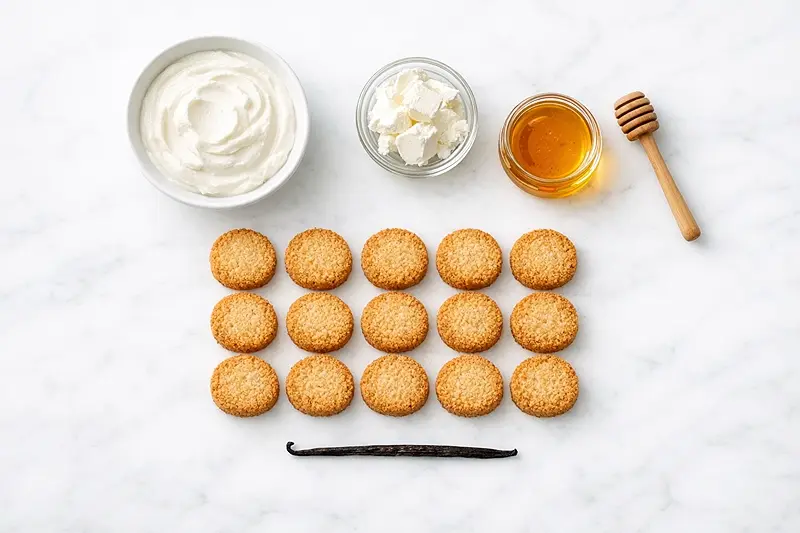
This two ingredient Japanese cheesecake keeps your shopping list blessedly short. You probably already have most of what you need in the fridge right now. Here’s everything laid out nice and simple.
The Base (Just Two Ingredients!)
| Amount | Ingredient | Notes |
|---|---|---|
| 1½ cups (375 g) | Greek yogurt, plain or flavored | I love using 5% fat for the richest, most cheesecake-like creaminess. 2% works great too—0% will be tangier and lighter. Higher fat = more luxurious mouthfeel. |
| 12–16 | Coconut sablé cookies | Biscoff, Oreos, or any drier, crispier cookie works beautifully here. Softer cookies won’t hold up as well. |
Optional Add-Ins (Pick Your Adventure!)
| Amount | Ingredient | Notes |
|---|---|---|
| 2 tbsp (30 g) | Cream cheese | Whisk this in for an even richer, denser filling that leans more “classic cheesecake.” |
| 1 tsp | Lemon juice | Brightens everything up—that fresh citrus zing is gorgeous here. |
| 1½ tsp | Vanilla extract (or ½ vanilla bean pod) | Real vanilla bean gives you those beautiful flecks, but good extract is perfect too. |
| 1 tbsp | Maple syrup | Adds a gentle, warm sweetness. Adjust to your taste. |
| 1 tbsp | Honey | Floral and smooth—my go-to when I want something a little more classic. |
| 1–2 tbsp | Jam (any flavor) | Swirl it in for a gorgeous ripple effect. Raspberry and strawberry are stunning. |
Optional Toppings
Go wild here—honey, jam, berry compote, a dusting of cocoa powder, fresh berries, crushed cookies. I love a big pile of fresh raspberries with a drizzle of honey. If you want topping inspiration, our dreamy no-bake matcha cheesecake has some beautiful ideas you can steal.
What Equipment Will You Need?
Nothing fancy here, I promise. You probably already have everything:
- A medium mixing bowl — for whisking the yogurt filling smooth
- A whisk or fork — a whisk gives you the silkiest texture, but a fork works in a pinch
- A small, deep container (round works best for that classic cheesecake shape) — think ramekin, small loaf pan, or even a clean jar
- A knife or offset spatula — for unmolding, if you’re feeling fancy
- Plastic wrap or a lid — to cover while it chills
Optional but nice: a rubber spatula for scooping every last bit of yogurt filling, because we don’t waste deliciousness in this kitchen.
How Do You Make This 2 Ingredient Japanese Cheesecake Step by Step?
Making this 2 ingredient Japanese cheesecake is almost embarrassingly easy, but the results taste anything but basic. Let me walk you through it like we’re standing side by side in my kitchen, music playing, no rush.
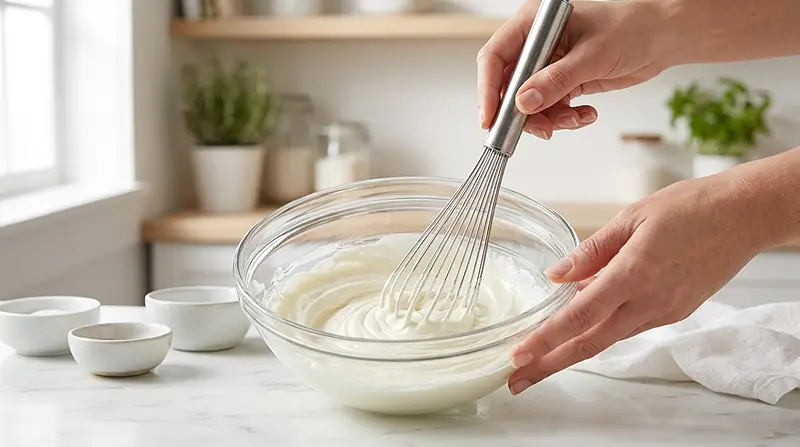
1. Mix your filling until it’s silky smooth.
If you’re adding cream cheese, drop it into a medium bowl with the Greek yogurt and whisk them together until the mixture is completely smooth, creamy, and uniform—no lumps hiding anywhere.
This is also the perfect moment to add any sweetener or flavoring you’d like: a splash of vanilla extract, a squeeze of lemon juice, a ribbon of maple syrup. Taste it. Adjust. You’re the boss here.
2. Arrange the cookies in your container.
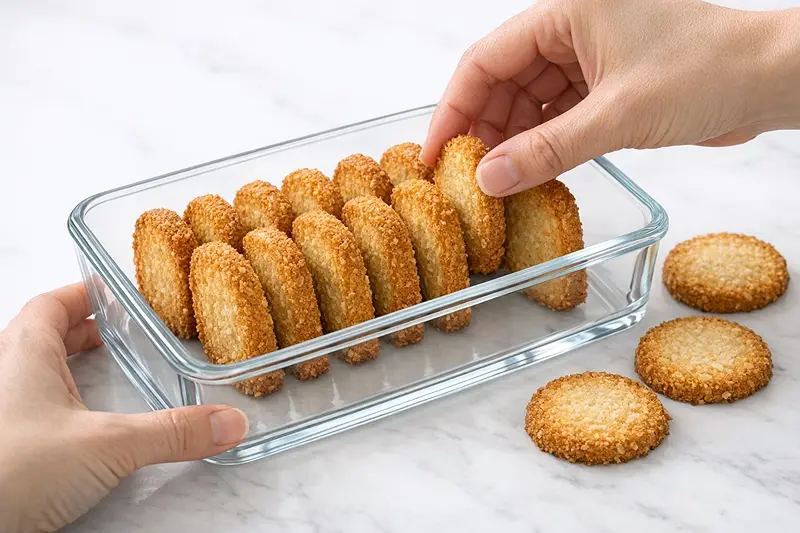
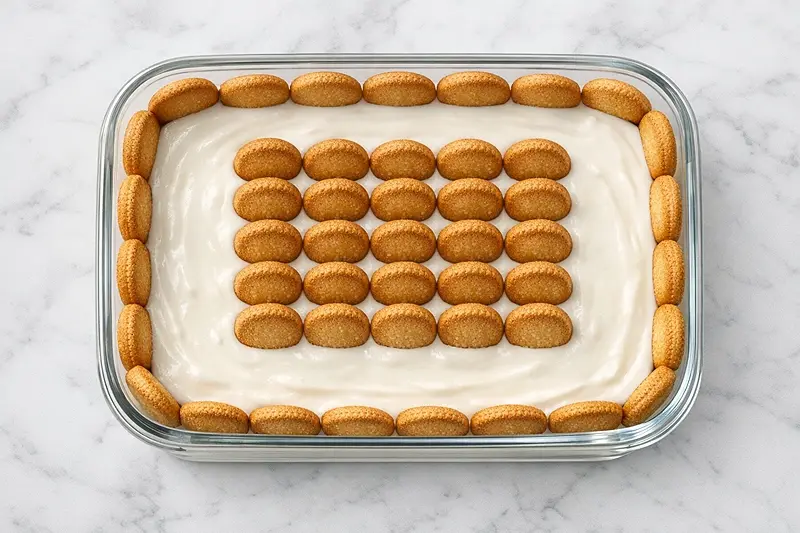
Stand the coconut sablé cookies upright in your container, leaving about half a centimeter of space between each one. Spoon or pour the yogurt filling around and between the cookies, then press a few cookies along the edges firmly into the yogurt. Here’s a little trick I love: leave about one centimeter of each cookie poking up above the yogurt surface.
That exposed bit stays slightly crispy and creates the most wonderful textural contrast—soft and creamy below, a little crunch on top. The more cookies you add, the thicker and sweeter the final result, so pack them in if you’ve got a sweet tooth.
3. Cover and let the fridge work its magic.
Press a piece of plastic wrap directly against the surface (or pop on a tight lid), then slide it into the fridge for at least six hours. Overnight is even better.
What happens during this time is genuinely magical—the cookies slowly absorb moisture from the yogurt, softening into a tender, almost sponge-like layer while the yogurt sets into a firm, creamy filling that slices beautifully. Patience is the only hard part of this entire recipe.
4. Unmold and devour.
Run a thin knife or spatula around the edges to loosen everything, then flip it out onto a plate. Or—and this is the route I usually take—just grab a spoon and eat it straight from the container. No judgment here. Top with honey, a spoonful of jam, berry compote, fresh fruit, or whatever makes your heart sing. Enjoy every single bite.
What Are the Best Pro Tips for a Fluffy Japanese Cheesecake?
A fluffy Japanese cheesecake texture comes down to a few small details that make a big difference. Here’s everything I’ve learned from making this more times than I can count.
Fat percentage matters more than you’d think. I’ve tested this with 0%, 2%, and 5% fat Greek yogurt, and the difference is real. Five percent fat gives you the richest, most velvety filling—the one that genuinely makes people say “wait, this isn’t real cheesecake?” Zero percent works but tastes noticeably tangier and sets with a slightly firmer, less luxurious texture.
If you’re going low-fat, I’d recommend adding the optional cream cheese to compensate for the lost richness.
Use drier, crispier cookies for the best transformation. Coconut sablés are my top pick because their buttery, sandy texture absorbs the yogurt moisture perfectly and softens into something that feels like a delicate sponge layer.
Biscoff cookies work beautifully too and add that warm, caramelized spice flavor. Oreos give you a dramatic chocolate contrast. Avoid anything too soft or chewy—they’ll turn mushy instead of tender.
Don’t skip the full chill time. I know six hours feels like forever when you’re excited, but rushing this step means a filling that’s too loose and cookies that haven’t fully transformed. Overnight is the sweet spot.
As food science explains, the extended chilling allows the yogurt proteins to form a stable gel network while the cookies undergo gradual moisture migration—essentially, the starch in the cookies absorbs water slowly, creating that signature soft, cake-like texture rather than a soggy mess.
Taste your filling before assembling. Greek yogurt brands vary wildly in tanginess and sweetness. Give it a taste, then adjust with a drizzle of honey, a splash of vanilla, or whatever flavor direction you’re going. You want the filling to taste just slightly sweeter than you think, because the cookies will add their own sweetness as everything melds together.
What If Something Goes Wrong?
Don’t panic. Every single one of these hiccups has a simple fix.
Why is my cheesecake still runny after six hours?
Your yogurt might have a higher water content than expected—this varies between brands. Give it a few more hours in the fridge, or even a full overnight rest. If it’s still too loose, your yogurt likely needs straining. Next time, try draining the yogurt through a fine-mesh sieve lined with cheesecloth for 30 minutes before assembling to remove excess whey.
Why did my cookies turn completely mushy instead of soft and cake-like?
This usually happens when the cookies are too thin or too soft to begin with. You want a sturdy, dry, crunchy cookie—shortbread-style, sablé, or Biscoff.
Thin wafer cookies or soft-baked varieties can’t hold up to the moisture. No worries though—it’ll still taste great, just with a different texture. Think of it as more of a cheesecake pudding situation.
Can I unmold this without it falling apart?
Absolutely. Make sure it’s fully set (a gentle jiggle test works—it should wobble like gelatin, not slosh like liquid). Run a thin knife around the edges, place your plate on top, and flip with confidence. If it sticks, briefly press a warm, damp towel against the outside of the container to loosen the edges. Works like a charm.
What if my filling tastes too tangy?
Just sweeten it up. A tablespoon of honey or maple syrup stirred in smooths out that sharp yogurt tang beautifully. You can also use a flavored Greek yogurt (vanilla or strawberry) as your base for a sweeter starting point.
What Fun Variations Can You Try With This Japanese Cotton Cheesecake?
This Japanese cotton cheesecake with 2 ingredients is a blank canvas begging for creativity. Here are some of my favorite spins.
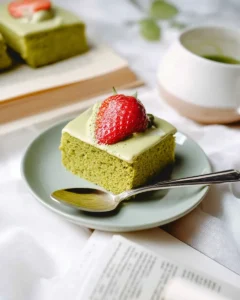
- Matcha version: Whisk 1–2 teaspoons of ceremonial-grade matcha powder into the yogurt filling for a gorgeous green tea flavor and that beautiful jade color. Dust the top with extra matcha before serving. For a more elaborate take, explore our silky no-bake matcha cheesecake recipe.
- Chocolate lovers’ twist: Use Oreo cookies (cream and all) and stir a tablespoon of cocoa powder into the yogurt filling. Top with shaved dark chocolate. It’s ridiculously good.
- Berry swirl: Fold 1–2 tablespoons of raspberry or strawberry jam through the yogurt in loose, marbled ribbons—don’t fully mix it in. The visual effect is stunning, and every bite is a little different.
- Biscoff dream: Swap coconut sablés for Biscoff cookies and add a tablespoon of smooth Biscoff spread to the yogurt. This one tastes like a hug. If you love cookie-forward cheesecakes, our indulgent Cinnamon Toast Crunch cheesecake is right up your alley.
- Tropical spin: Use coconut-flavored Greek yogurt, add a squeeze of lime juice, and top with diced mango and toasted coconut flakes. Suddenly you’re on vacation.
- Lemon sunshine: Add a full teaspoon of fresh lemon juice and half a teaspoon of finely grated lemon zest to the filling. Top with a drizzle of honey and fresh blueberries. Bright, cheerful, and absolutely perfect for spring.
How Should You Serve, Store, and Reheat This Cheesecake?
Serving
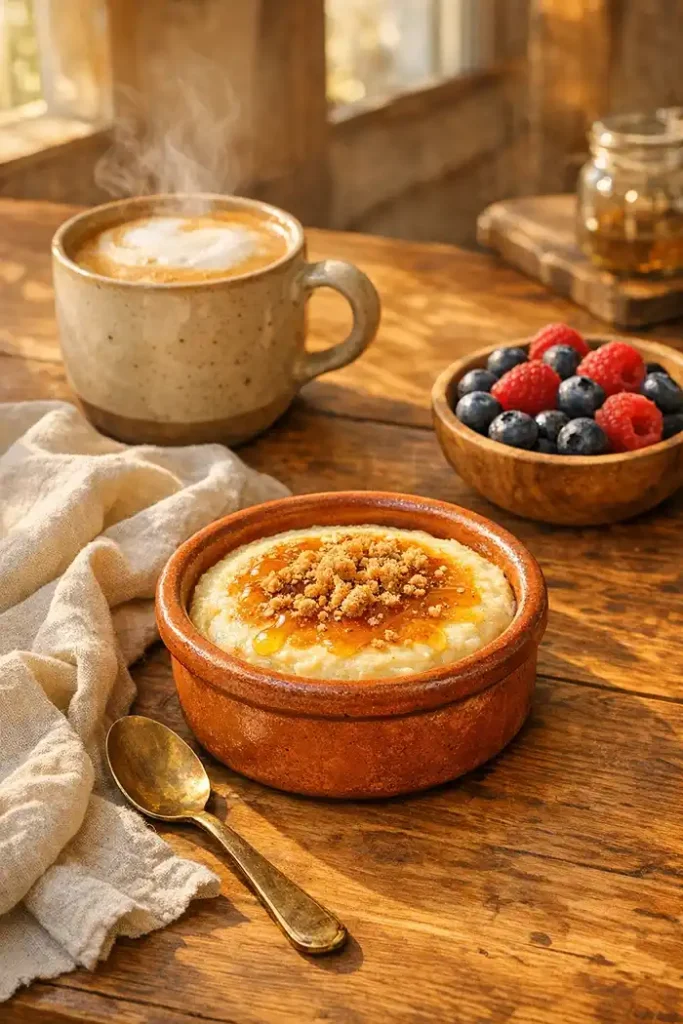
This beauty is best enjoyed cold, straight from the fridge. I love slicing it into neat wedges (if you unmolded it) or just going at it with a spoon directly from the container. Set out your toppings—honey, compote, fresh fruit, crushed cookies—and let everyone customize their own portion. It’s a fun, low-key dessert that feels special without being fussy.
Storage
Cover tightly with plastic wrap or a lid and keep it in the fridge for up to 3 days. Honestly, it gets even better on day two because the flavors meld and the cookies soften further into that dreamy, cake-like layer. It won’t last three days though. I’m speaking from experience.
Can you freeze this fluffy Japanese cheesecake?
You can, and it’s actually delicious frozen—like a cheesecake ice cream situation. Freeze for up to 2 weeks in an airtight container. Let it sit at room temperature for 10–15 minutes before eating, or enjoy it straight from the freezer if you like that icy, creamy texture. The cookies hold up surprisingly well after thawing.
No-Waste Kitchen Magic
Even a recipe this simple can generate a few bits and pieces. Here’s how to use every last crumb.
- Leftover yogurt? Swirl it with a spoonful of jam and some granola for a quick breakfast parfait, or freeze it in popsicle molds with fresh fruit for a warm-weather treat.
- Broken or extra cookies? Crush them up and use as a topping for ice cream, stir into softened butter for an impromptu cookie butter spread, or layer into yogurt parfaits for crunch.
- Leftover filling that didn’t fit your container? Pour it into a small jar, drop in a few cookie pieces, and you’ve just made yourself a personal cheesecake jar. Cook’s treat. You earned it.
Frequently Asked Questions
Can I make this 2 ingredient Japanese cheesecake ahead of time?
Absolutely—in fact, it’s better when you do. Since it needs at least six hours to set, making it the night before is the ideal move. It tastes even better after a full 12–24 hours in the fridge as the cookie layer fully softens and the flavors develop. It’s the perfect make-ahead dessert for gatherings.
What’s the best substitute for Greek yogurt in this easy Japanese cheesecake recipe?
Skyr is the closest swap—it’s thick, tangy, and high in protein, so the results are nearly identical. You could also use labneh for an ultra-rich, cream-cheese-like filling. Regular yogurt won’t work here because it’s too thin and watery to set properly. If you’re dairy-free, a thick coconut yogurt can work, though the flavor will be noticeably different.
Why did my Japanese cotton cheesecake turn out too soft to slice?
It probably needed more chill time, or the yogurt you used had a higher water content. Let it refrigerate for a full 12 hours next time, and consider straining your yogurt for 30 minutes beforehand. Adding the optional two tablespoons of cream cheese also helps firm up the filling noticeably.
How many calories are in a two ingredient Japanese cheesecake?
It depends on your yogurt’s fat content and how many cookies you use, but a typical serving (one quarter of the recipe using 5% Greek yogurt and coconut sablé cookies) is roughly 220 calories. Using 0% yogurt and fewer cookies brings it closer to 170 calories per serving.
What’s the best container shape for this 2 ingredient Japanese cheesecake?
A small, deep, round container gives you that classic cheesecake silhouette when you unmold it. Ramekins, small springform pans, and even wide-mouth mason jars all work. Just make sure it’s deep enough that the cookies can stand upright with yogurt surrounding them fully.
Time to Make Your Own Cloud-Soft Cheesecake
That’s it, friend. That’s the whole beautiful, simple, ridiculously delicious secret behind this 2 ingredient Japanese cheesecake. Two ingredients, zero oven time, and a result that honestly has no business tasting this good. Every single time I make it, I’m a little stunned all over again.
I’d love to hear how yours turns out—drop a comment, share a photo, tell me which flavor variation you tried. And if you’re already dreaming about your next no-bake adventure, our rich and creamy protein cheesecake is calling your name.
Now go make something wonderful.
2 Ingredient Japanese Cheesecake
Equipment
- medium mixing bowl
- Small deep round container or ramekin
- Knife or offset spatula
- Plastic wrap or lid
- Rubber spatula (optional)
Ingredients
Cheesecake
- 1 ½ cups Greek yogurt, plain or flavoured 375 g. I like using 5% fat for the creamiest texture. I recommend at least 2% fat but you can also use 0%. Higher fat = richer and more cheesecake-like.
- 2 tbsp cream cheese 30 g, optional — for a richer, denser filling
- 12-16 coconut sablé cookies Biscoff, Oreos, or any type of drier cookies can be used
Optional Flavouring (choose any!)
- 1 tsp lemon juice
- 1 ½ tsp vanilla extract or 1/2 vanilla bean pod
- 1 tbsp maple syrup or to taste
- 1 tbsp honey or to taste
- 1-2 tbsp jam
Optional Toppings
- Honey
- Jam
- Berry compote
- Cocoa powder
- Fresh fruit
- Crushed cookies
Instructions
- Mix the filling: If using cream cheese, whisk it together with the Greek yogurt in a medium bowl until completely smooth and creamy with no lumps remaining. This is also a good time to add any sweetener or flavoring you’d like—vanilla extract, lemon juice, maple syrup, or honey. Taste and adjust to your preference.
- Prepare the container: Arrange the coconut sablé cookies upright in your container, leaving about 1/2 cm of space between each cookie. Spoon or pour the yogurt filling around and between the cookies, then press a few cookies along the edges firmly into the yogurt. Leave about 1 cm of each cookie sticking out above the yogurt for a bit of crispy texture contrast. The more cookies you add, the thicker and sweeter it will come out.
- Chill and set: Cover with plastic wrap or a tight lid and refrigerate for at least 6 hours, or until fully set. Overnight is even better—the cookies will soften into a tender, cake-like layer while the yogurt firms into a creamy, sliceable filling.
- Serve: Run a knife or spatula around the edges and flip to unmold onto a plate, or simply enjoy it straight from the container. Top with honey, jam, berry compote, fresh fruit, or crushed cookies as desired. Enjoy!