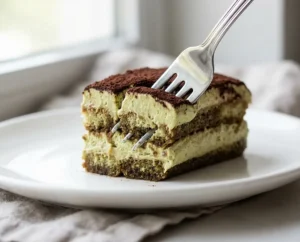
2 Ingredient Protein Cheesecake
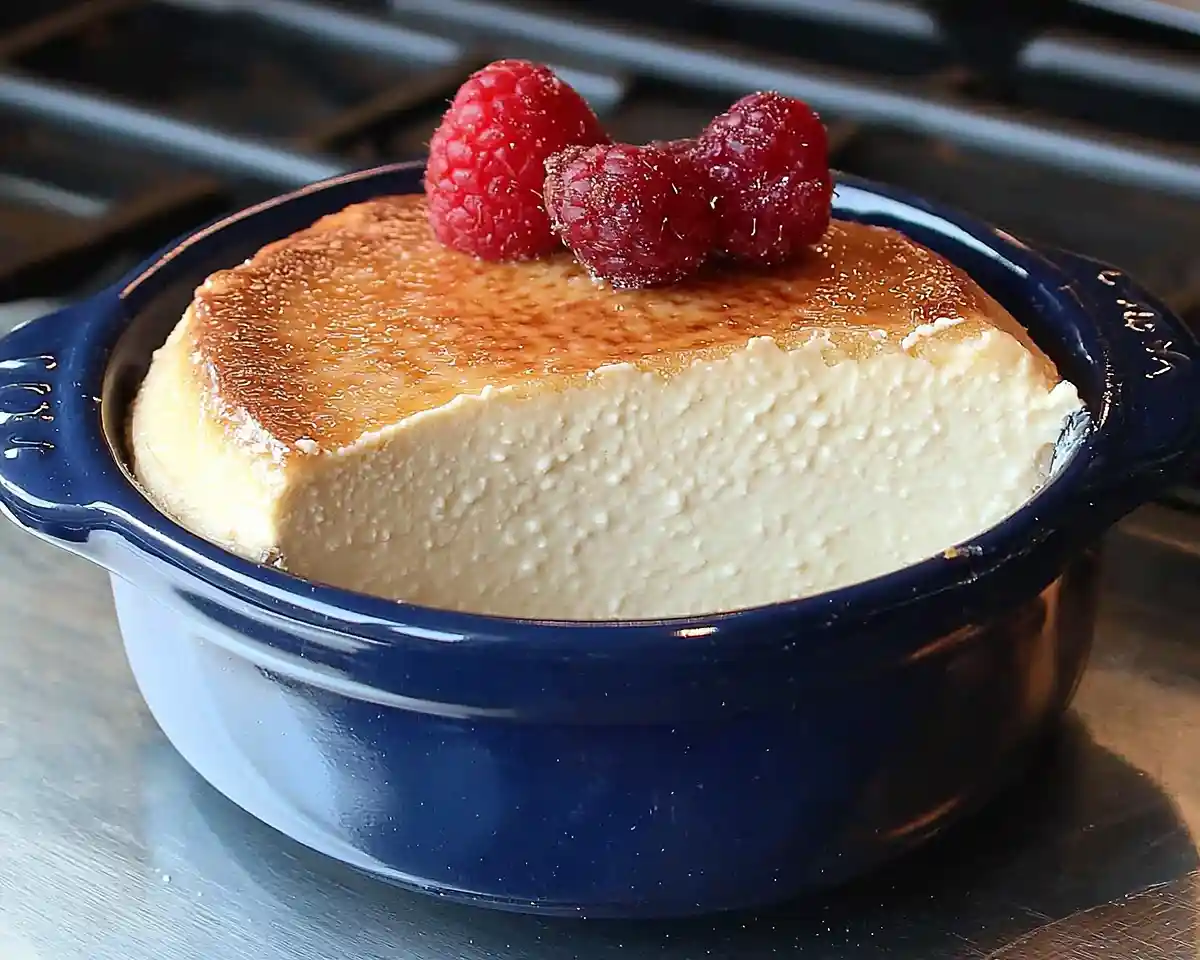
This 2 ingredient protein cheesecake transforms thick Greek yogurt and one fresh egg into a creamy, custard-like dessert with 13 grams of protein per serving, baked until just-set with a silky center and topped with a delicate caramelized coconut sugar crust for natural sweetness.
I stumbled onto this two ingredient protein cheesecake during one of those late-night dessert cravings when my fridge was looking pretty bare. All I had was some Siggi’s yogurt and eggs, and honestly? I wasn’t expecting much.
But that first spoonful—creamy, tangy, with this gorgeous custard texture—completely blew me away. Now it’s my go-to when I want something sweet without the sugar crash. If you’re into simple high-protein treats, you’ll also love our chocolate peanut butter protein bars.
Table of Contents
Why You’ll Love This High Protein Cheesecake
This protein cheesecake recipe is ridiculously simple—like, embarrassingly simple. You literally whisk two ingredients together and pop it in the oven. There’s no crust to fuss with, no water bath drama, and definitely no three-hour ordeal.
It’s packed with protein. At 13 grams per serving, this little beauty keeps you satisfied way longer than regular cheesecake. I’ve eaten it for breakfast (don’t judge me), and it actually kept me full until lunch.
You can customize it endlessly. I’ve topped mine with fresh berries, a drizzle of sugar-free maple syrup, even a spoonful of almond butter. Each version feels like a completely different dessert. For more protein-packed inspiration, check out our no-bake cookies and cream protein bars.
Nutritional Information
| Nutrient | Per Serving |
|---|---|
| Calories | 170 cal |
| Protein | 13g |
| Carbohydrates | 6g |
| Fat | 6g |
Note: Nutritional values include the optional coconut sugar topping (add 13 calories and 3g sugar if using).
What You’ll Need for This Two Ingredient Protein Cheesecake
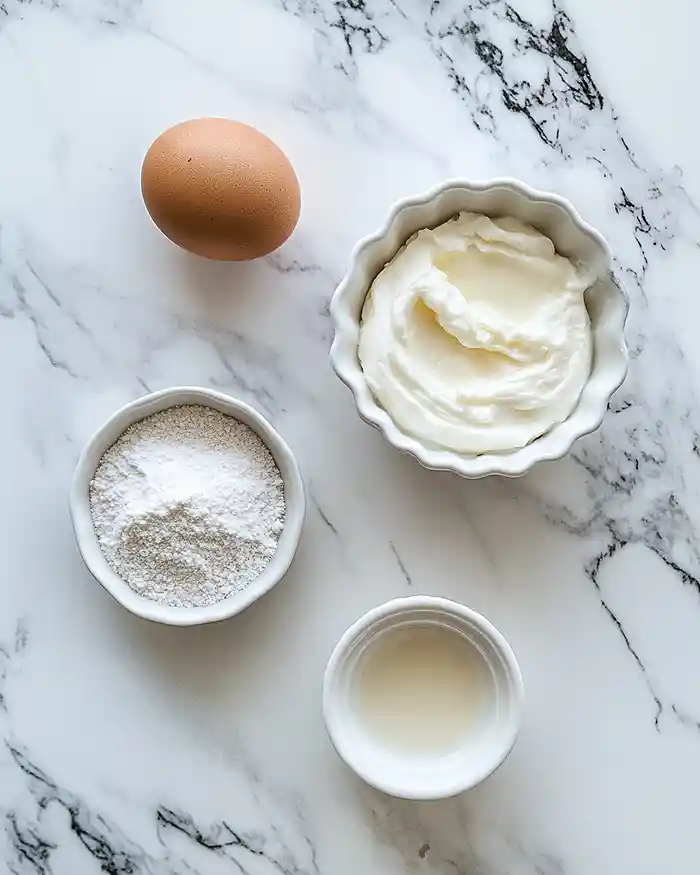
This high protein cheesecake keeps things beautifully minimal. Just grab your thickest Greek yogurt and a fresh egg, and you’re almost there.
| Amount | Ingredient |
|---|---|
| 3/4 cup | Greek yogurt (0% fat) – I used Siggi’s because it’s super thick and creamy, but any strained Greek yogurt works beautifully (100 cal) |
| 1 large | Egg – Room temperature blends smoother and creates a silkier texture (70 cal) |
| 1 tsp | Coconut sugar (optional) – For topping; it caramelizes beautifully and adds a gentle sweetness (13 cal, 3g sugar) |
Yield: 1 generous serving (about 1 cup)
Equipment You’ll Need
Nothing fancy required here—just the basics:
- Small mixing bowl – For whisking the yogurt and egg together
- Whisk or fork – To break up any clumps (I usually just use a fork)
- Small ramekin or oven-safe dish – About 6-8 oz capacity works perfectly
- Oven – Preheated to 350°F
- Refrigerator – For chilling your finished cheesecake
How to Make 2 Ingredient Protein Cheesecake
Making this 2 ingredient protein cheesecake is honestly easier than making scrambled eggs. Here’s exactly how I do it every single time.
Preheat your oven to 350°F. Get this going first so it’s ready when you need it. A properly heated oven ensures even baking and that perfect creamy texture.
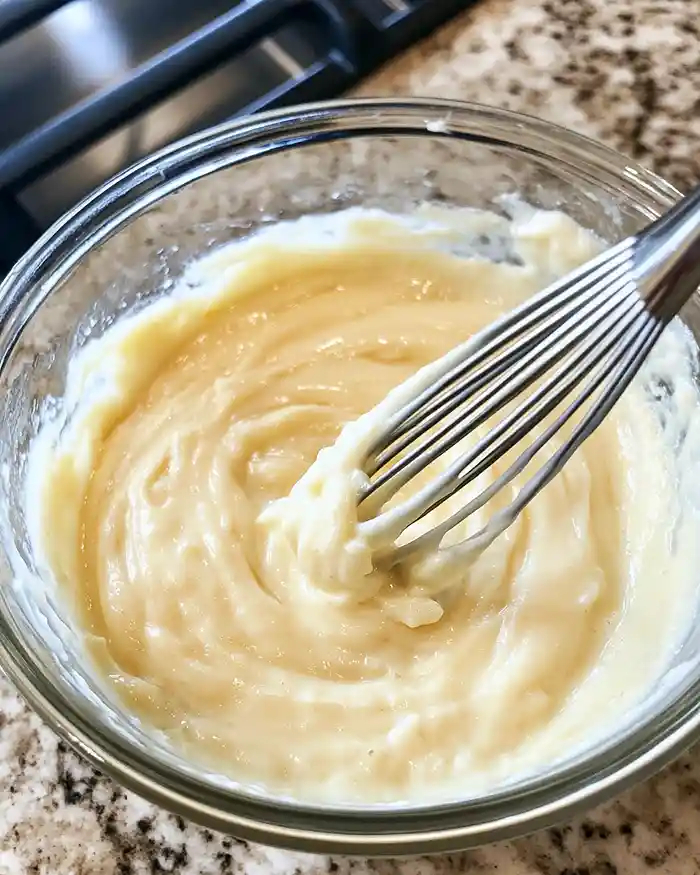
Whisk together 3/4 cup Greek yogurt and 1 egg in a small bowl until completely smooth with no visible clumps or streaks. I like to break the egg in first, whisk it alone for a few seconds, then add the yogurt. This prevents any yogurt chunks from hiding in there. The mixture should look pale, creamy, and uniform—think silky cake batter consistency.
Pour the mixture into your small ramekin dish, filling it about 3/4 full to allow room for slight expansion. Give the ramekin a gentle tap on the counter to release any air bubbles trapped underneath.
Sprinkle 1 teaspoon of coconut sugar evenly over the top if using. This creates a delicate caramelized crust that adds texture and just a hint of sweetness without overwhelming the tangy yogurt base. (You can totally skip this for a zero-sugar version.)
Bake for 15-20 minutes until the edges are set but the center still has a slight jiggle when you gently shake the ramekin. At the 15-minute mark, give it a little shimmy test—if the whole thing wobbles like liquid, give it another 3-5 minutes. If just the center moves slightly, you’re golden. Don’t overbake or you’ll end up with scrambled eggs instead of cheesecake!
Remove from the oven and let it cool on the counter for 10 minutes, then transfer to the refrigerator to chill for at least 2 hours. The chilling time is crucial—it’s when the texture transforms from soft custard to that signature cheesecake firmness. I usually make mine the night before and let it chill overnight for the absolute best texture.
Pro Tips for Perfect Protein Cheesecake Every Time
Use the thickest Greek yogurt you can find. Brands like Siggi’s, Fage Total, or Chobani Greek work best because they’re naturally strained and dense. Watery yogurt creates a runny cheesecake that won’t set properly. If your yogurt seems thin, strain it through cheesecloth for 30 minutes before using.
Bring your egg to room temperature before mixing. Cold eggs don’t incorporate as smoothly into thick yogurt, leaving you with lumps. According to Serious Eats, room-temperature eggs emulsify better with other ingredients, creating a more stable, uniform texture. Just let your egg sit on the counter for 15-20 minutes while you prep everything else.
Don’t skip the jiggle test. This is your secret weapon for perfect texture. The center should wobble like Jello when you gently shake the dish—if it’s completely firm, you’ve overbaked it. The residual heat continues cooking it even after you remove it from the oven.
Chill it completely before eating. I know it’s tempting to dig in right away (trust me, I’ve been there), but this dessert truly shines after at least 2 hours in the fridge. The texture firms up, the flavors meld together, and it develops that signature cheesecake consistency.
Common Questions and Quick Fixes
Why is my protein cheesecake watery or runny?
Your yogurt was likely too thin to begin with. Greek yogurt brands vary wildly in thickness—some are basically regular yogurt labeled “Greek.” Next time, choose a super-thick strained variety like Siggi’s or Fage, or strain your yogurt yourself through cheesecloth for 30 minutes to remove excess liquid.
What if my cheesecake turned out rubbery or tough?
You overbaked it, friend. This happens when the center is completely firm in the oven instead of having that telltale jiggle. Remember, it continues cooking as it cools, so pulling it out while it still wobbles is key. Next time, check at 15 minutes and watch it carefully after that.
Can I make this without the coconut sugar topping?
Absolutely! The sugar topping is completely optional. The cheesecake itself has a lovely tangy flavor from the yogurt that many people prefer unsweetened. You can also try other natural sweeteners like a tiny drizzle of honey or maple syrup after baking.
Why does my cheesecake have a weird texture or taste eggy?
Two possibilities here: either your egg wasn’t fresh (older eggs have a stronger sulfur taste), or you didn’t whisk it thoroughly enough with the yogurt. Make sure you’re breaking up all the egg white strands completely and mixing until the batter is totally uniform with no streaks.
Fun Ways to Customize Your Protein Cheesecake
Berry Swirl: Drop small spoonfuls of mashed berries (strawberries, blueberries, or raspberries) on top before baking and swirl gently with a toothpick. The berries create beautiful marbled patterns and add natural fruity sweetness.
Chocolate Lover’s Version: Whisk in 1 tablespoon of unsweetened cocoa powder with the yogurt and egg for a rich chocolate protein cheesecake. Top with sugar-free chocolate chips after it comes out of the oven.
Lemon Zest Delight: Add 1/2 teaspoon of fresh lemon zest to the mixture for a bright, citrusy twist. It cuts through the richness beautifully and tastes incredible with fresh blueberries on top.
Pumpkin Spice: Mix in 2 tablespoons of pumpkin puree and 1/4 teaspoon of pumpkin pie spice for a fall-inspired treat. This adds minimal calories but maximum cozy vibes.
Vanilla Bean: Scrape in half a vanilla bean or add 1/4 teaspoon of pure vanilla extract for a classic vanilla cheesecake flavor that pairs with any topping.
How to Serve, Store, and Reheat
Serving Suggestions
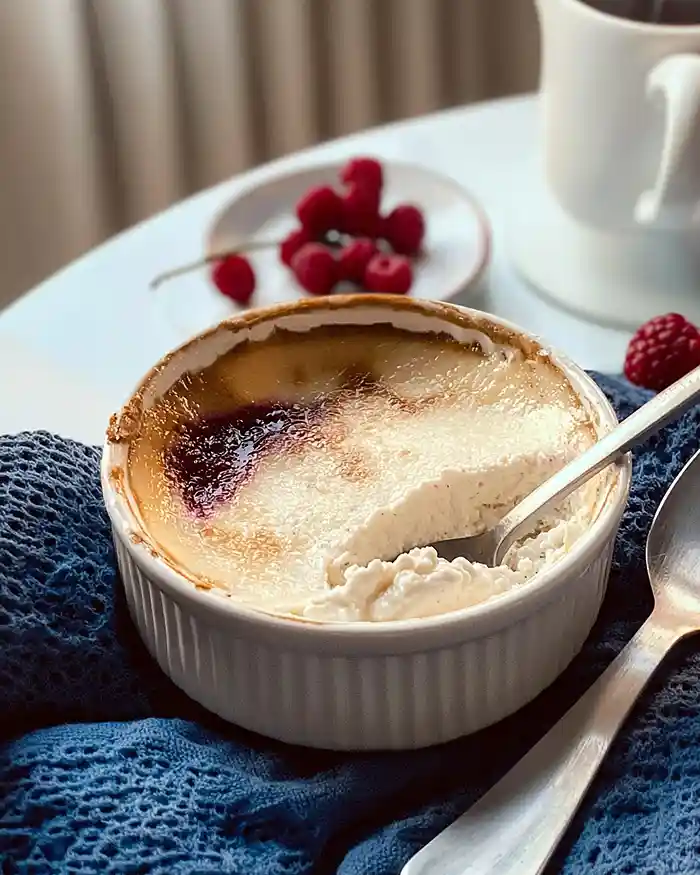
I love eating this two ingredient protein cheesecake straight from the ramekin with a spoon, but you can also gently run a knife around the edge and turn it out onto a plate for a prettier presentation.
Top it with fresh berries, a dollop of sugar-free whipped cream, a drizzle of nut butter, or even some crushed nuts for crunch. It’s perfect as a post-workout snack, a guilt-free dessert, or honestly, even breakfast (I won’t tell).
Storage
Keep your protein cheesecake covered tightly with plastic wrap or in an airtight container in the refrigerator for up to 4 days. The texture actually improves after a day or two as the flavors develop and meld together. Just make sure it stays cold—don’t leave it out on the counter for more than an hour or it’ll get too soft.
Can You Freeze It?
Yes! This high protein cheesecake freezes surprisingly well. Wrap it tightly in plastic wrap, then aluminum foil, and freeze for up to 2 months. Thaw overnight in the fridge before eating. The texture might be slightly icier than fresh, but it’s still delicious—almost like cheesecake ice cream.
Zero-Waste Tips
Save your eggshells for the garden. Crushed eggshells add calcium to compost and can deter slugs from munching on your plants. I rinse mine, let them dry, then crush them up and sprinkle them around my tomato plants.
Use leftover yogurt in smoothies or overnight oats. If you’ve got extra Greek yogurt hanging around, it blends beautifully into protein smoothies or makes the creamiest overnight oats. You can also use it as a sour cream substitute in savory dishes.
Turn extra cheesecake into parfait layers. If you somehow have leftover protein cheesecake (rare in my house), crumble it up and layer it with fresh fruit and granola for an amazing protein-packed parfait.
Frequently Asked Questions
Can I make this 2 ingredient protein cheesecake ahead of time?
Yes! In fact, I highly recommend it. Make it the night before and let it chill overnight in the fridge—the texture gets even better as it sits. It’ll keep beautifully for up to 4 days, making it perfect for meal prep or having a healthy dessert ready whenever a craving hits.
What’s the best substitute for Greek yogurt in this recipe?
Skyr (Icelandic yogurt) works fantastically because it’s even thicker than Greek yogurt and has more protein. You could also try cottage cheese blended until smooth, though the texture will be slightly different. Regular yogurt won’t work here—it’s too thin and watery.
Can I use egg whites instead of a whole egg?
I wouldn’t recommend it. The egg yolk provides fat and richness that’s essential for that creamy cheesecake texture. Using just egg whites makes it more like a meringue—fluffy and spongy instead of dense and custard-like.
How do I know when my protein cheesecake is done baking?
Look for set edges and a jiggly center—it should wobble slightly when you gently shake the ramekin, like barely-set Jello. If the whole thing sloshes around like liquid, it needs more time. If it’s completely firm and doesn’t move at all, you’ve overbaked it (but it’ll still taste good!).
Why did my cheesecake crack on top?
Cracks usually happen from overbaking or temperature shock. Make sure you’re pulling it out while the center still jiggles, and let it cool gradually on the counter before moving it to the fridge. That said, a few small cracks won’t affect the taste at all—just cover them with toppings!
Your New Go-To Healthy Dessert
This 2 ingredient protein cheesecake has honestly changed my relationship with dessert. It’s proof that you don’t need a mile-long ingredient list or fancy techniques to make something absolutely delicious. Just two simple ingredients and 20 minutes, and you’ve got a creamy, protein-packed treat that actually satisfies you.
I’d love to hear how yours turns out! Drop a comment below with your favorite toppings or any fun variations you try. And if you snap a photo, tag me on Instagram—I genuinely get so excited seeing your creations. For more easy protein-packed treats, don’t miss our collection of simple protein desserts.
Baked with love by Rebeccah Ellene.
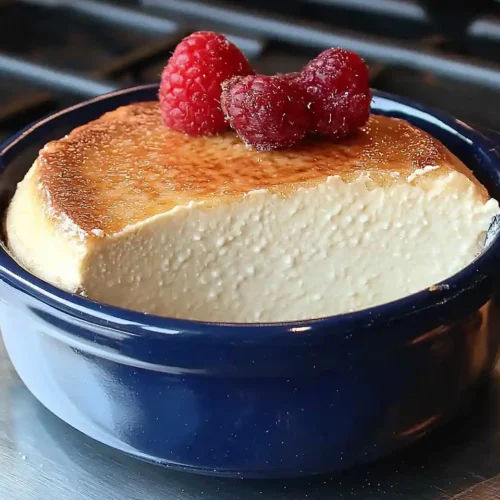
2 Ingredient Protein Cheesecake
Equipment
Ingredients
- ¾ cup Greek yogurt (0% fat) I used Siggi’s because it’s super thick and creamy, but any strained Greek yogurt works beautifully
- 1 large egg Room temperature blends smoother and creates a silkier texture
- 1 tsp coconut sugar Optional – for topping; it caramelizes beautifully and adds a gentle sweetness
Instructions
- Preheat your oven to 350°F. Get this going first so it’s ready when you need it. A properly heated oven ensures even baking and that perfect creamy texture.
- Whisk together 3/4 cup Greek yogurt and 1 egg in a small bowl until completely smooth with no visible clumps or streaks. I like to break the egg in first, whisk it alone for a few seconds, then add the yogurt. This prevents any yogurt chunks from hiding in there. The mixture should look pale, creamy, and uniform—think silky cake batter consistency.
- Pour the mixture into your small ramekin dish, filling it about 3/4 full to allow room for slight expansion. Give the ramekin a gentle tap on the counter to release any air bubbles trapped underneath.
- Sprinkle 1 teaspoon of coconut sugar evenly over the top if using. This creates a delicate caramelized crust that adds texture and just a hint of sweetness without overwhelming the tangy yogurt base.
- Bake for 15-20 minutes until the edges are set but the center still has a slight jiggle when you gently shake the ramekin. At the 15-minute mark, give it a little shimmy test—if the whole thing wobbles like liquid, give it another 3-5 minutes. If just the center moves slightly, you’re golden. Don’t overbake or you’ll end up with scrambled eggs instead of cheesecake!
- Remove from the oven and let it cool on the counter for 10 minutes, then transfer to the refrigerator to chill for at least 2 hours. The chilling time is crucial—it’s when the texture transforms from soft custard to that signature cheesecake firmness.