Vasilopita Recipe
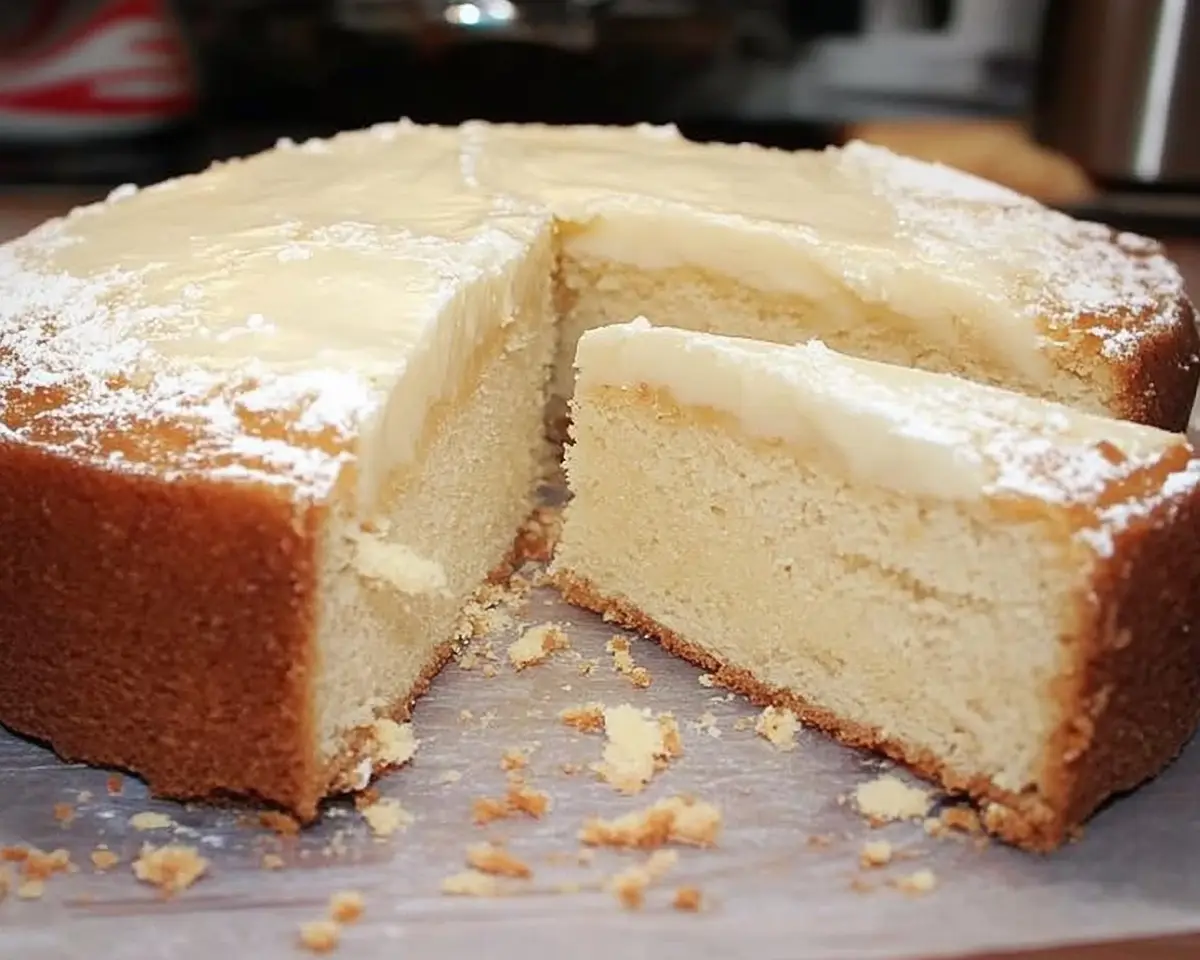
Bake this traditional vasilopita recipe—a fluffy Greek New Year’s cake hiding a lucky coin. Orange-scented, gloriously glossy, and steeped in celebration!
What Makes This Vasilopita Recipe Special?
This vasilopita recipe creates a tender, orange-kissed Greek New Year’s cake with billowy meringue folded into buttery batter, producing an impossibly light crumb beneath a glossy vanilla glaze—plus a foil-wrapped coin for whoever finds good fortune in their slice.
Vasilopita isn’t just cake—it’s tradition wrapped in sugar and hope. Every Greek New Year, families gather to slice this beauty at midnight, hunting for the hidden coin that promises luck for the coming year.
My first Vasilopita was at my yiayia’s table, and I’ll never forget the collective gasp when my cousin bit down on something metallic. This recipe captures that magic, with bright orange zest dancing through every fluffy bite.
Table of Contents
Why You’ll Love This Vasilopita Cake
Vasilopita Cake delivers celebration in every dimension. Here’s why it’ll become your go-to for ringing in the new year:
It’s ridiculously fluffy. The meringue technique creates air pockets throughout, giving you that melt-on-your-tongue texture that makes people ask for seconds.
Orange zest transforms everything. Fresh citrus oils perfume the entire cake, cutting through the sweetness with bright, sunny notes.
The coin tradition is pure joy. Watching everyone’s faces as they carefully check their slices never gets old—it’s anticipation baked into dessert form.
It feeds a crowd beautifully. Sixteen generous servings mean you’re covered for family gatherings without stress-baking multiple desserts.
That mirror glaze though. The smooth, glossy topping sets firm enough to carve the new year right into its surface, turning your cake into edible art.
I learned the meringue-folding technique from King Arthur Baking’s masterclass on incorporating egg whites without deflating them. That single lesson changed my cake game forever. The gentle circular motion from bottom to top preserves all those precious air bubbles you worked so hard to whip up.
Nutritional Peek
Here’s what you’re getting per slice (and honestly, it’s celebration food—enjoy it!):
| Nutrient | Per Serving |
|---|---|
| Calories | 485 |
| Protein | 6g |
| Carbohydrates | 74g |
| Fat | 18g |
Ingredients You’ll Need
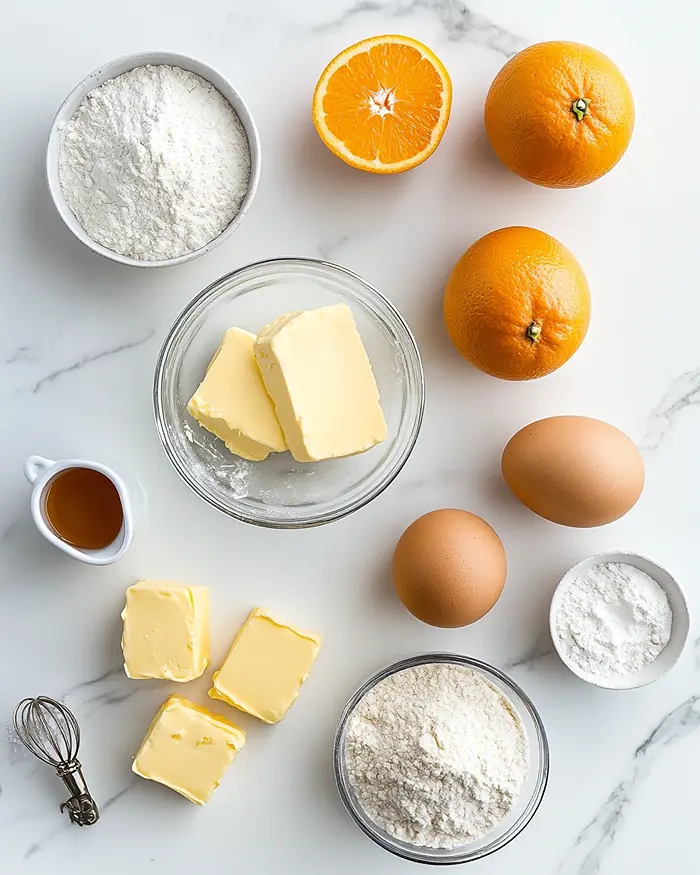
Vasilopita Cake starts with quality ingredients that come together into something spectacular. Here’s your shopping list:
For the Cake (Yields 16 slices)
| Amount | Ingredient |
|---|---|
| 375g (13oz) | butter, softened |
| 600g (3 cups) | granulated sugar |
| 6 large | eggs, separated into yolks and whites |
| 1 pinch | salt |
| 2 oranges | zest only (save that juice!) |
| 1/2 cup | fresh orange juice |
| 200g (7oz) | Greek yogurt, strained |
| 1 tsp | vanilla extract |
| 750g (26.5oz) | self-rising flour, sifted |
For the Glaze
| Amount | Ingredient |
|---|---|
| 450g (3 cups) | icing sugar (powdered sugar) |
| 5 tbsp | hot water or milk |
| 2 tsp | vanilla extract |
A note on yogurt: Strained Greek yogurt adds tang and keeps this cake moist for days. Regular yogurt works too, but drain off any excess liquid first. For more recipes celebrating yogurt’s magic, check out our ricotta almond cookies that use similar techniques.
Equipment You’ll Need
Gather these tools before you start, and you’ll breeze through:
- Stand mixer with whisk and paddle attachments (or hand mixer with serious arm strength)
- Large mixing bowls (at least 2)
- 30-35cm (12-14 inch) round cake tin
- Rubber spatula for folding
- Fine-mesh sieve for sifting flour
- Wooden skewer or toothpick for testing doneness
- Flat spatula for glazing
- Aluminum foil for wrapping the lucky coin
- Serving platter
How to Make Vasilopita: Step-by-Step Instructions
Let me walk you through this vasilopita recipe like we’re baking together in my kitchen. Take your time with the meringue—it’s where the magic happens.
Step 1: Create Cloud-Like Meringues
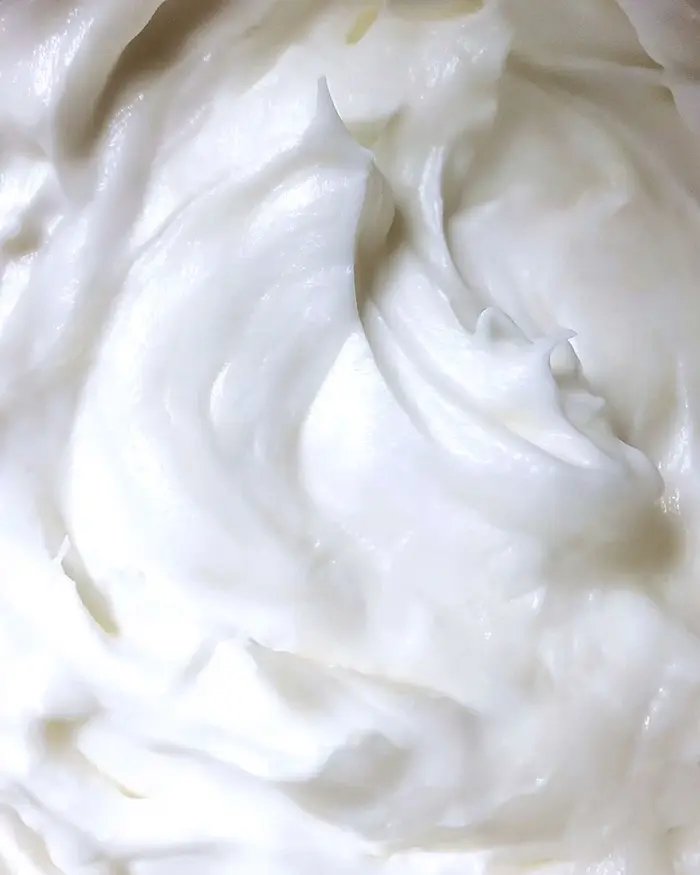
Separate your eggs carefully, ensuring not even a speck of yolk sneaks into the whites (fat deflates meringue faster than a pricked balloon). Add your egg whites to a spotlessly clean mixer bowl with a pinch of salt.
Whisk on medium-high speed until thick, glossy peaks form that hold their shape when you lift the whisk—this takes about 5-7 minutes. Transfer to a separate bowl and set aside while you prepare the base.
Step 2: Cream Butter and Sugar into Fluffy Heaven
Clean your mixer bowl thoroughly and add softened butter and granulated sugar. Using the paddle attachment, beat for a full 20 minutes until the mixture looks like whipped cream—pale, fluffy, and nearly doubled in volume.
Yes, 20 minutes feels long, but this extended creaming creates the cake’s tender structure by incorporating microscopic air bubbles that expand during baking.
Step 3: Build Your Flavor Base
Add egg yolks one at a time, beating until each disappears completely before adding the next (rushing this step causes the mixture to separate). Pour in orange juice, vanilla extract, orange zest, and Greek yogurt, mixing just until combined. The batter might look slightly curdled—don’t panic, the flour will bring it together.
Step 4: The Gentle Folding Dance
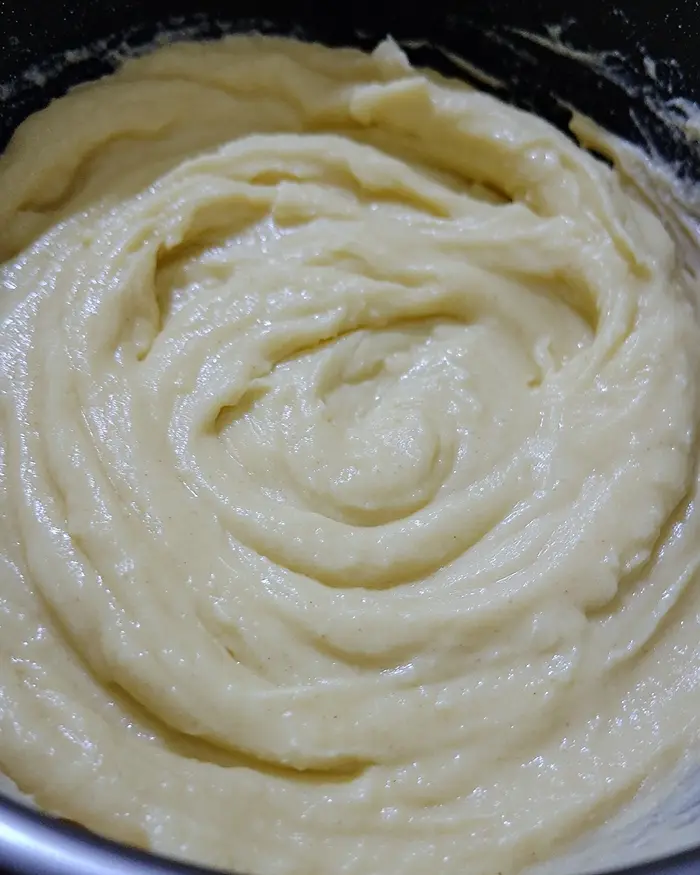
Remove the bowl from your mixer. Add one-third of the sifted self-rising flour and fold gently with your spatula using broad, sweeping strokes. Add one-third of those beautiful meringues and fold with light circular movements from bottom to top, rotating the bowl as you go.
Repeat this flour-meringue pattern two more times until everything’s just combined—stop as soon as you don’t see flour streaks, because overmixing deflates those precious air pockets.
Step 5: Prepare Your Pan and Preheat
Preheat your oven to 200°C (390°F) using both top and bottom heating elements, or 180°C (356°F) if using convection. Generously butter a 30-35cm round cake tin and dust with flour, tapping out excess, or line the bottom with parchment paper. Pour in your vasilopita batter and smooth the top with your spatula, encouraging it gently toward the edges.
Step 6: Bake Low and Slow
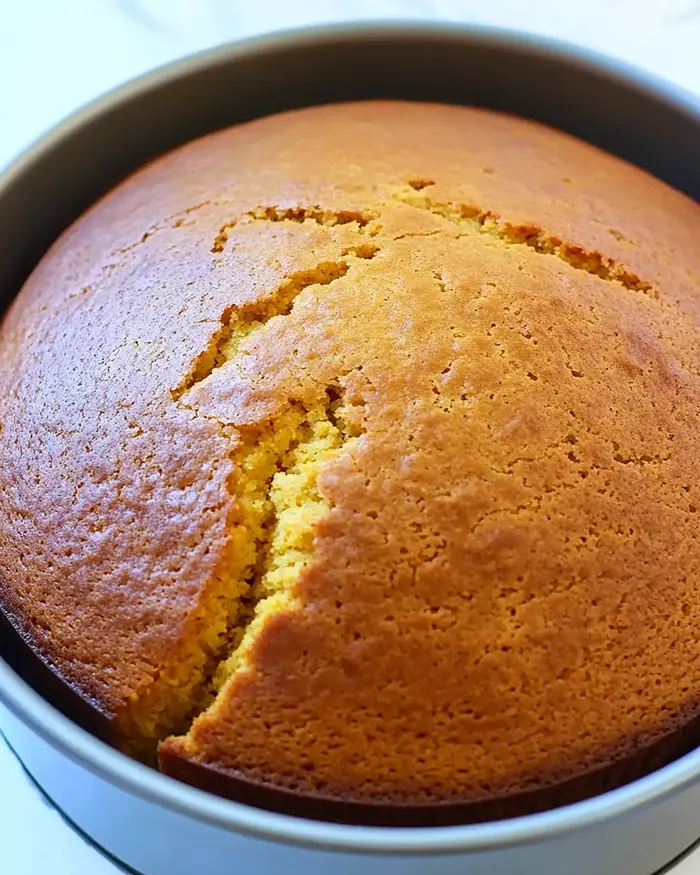
Place your cake tin on the lower third oven rack, immediately reduce heat to 175°C (350°F) or 160°C (320°F) for convection, and bake for approximately 60 minutes. Here’s the golden rule: don’t open that oven door for the first 30 minutes, no matter how tempting—sudden temperature drops cause catastrophic collapse.
The cake’s ready when it’s deeply golden and a wooden skewer inserted in the center emerges clean with maybe a few moist crumbs.
Step 7: Cool Completely Before Flipping
Let your vasilopita cool in the pan for 15 minutes, then run a knife around the edges and invert onto a plate. If it’s still warm, it’ll break into pieces—patience here saves heartbreak! Once completely cool (I’m talking room temperature, at least 2 hours), invert again using a second plate so the top faces upward.
Step 8: Hide the Lucky Coin
Wrap your coin tightly in aluminum foil, creating a small packet. Make a small incision in the bottom of the cake and tuck the coin inside, then invert the vasilopita one final time onto your serving platter with the flat bottom facing up. This smooth surface creates the perfect canvas for your glaze.
Step 9: Create That Instagram-Worthy Glaze
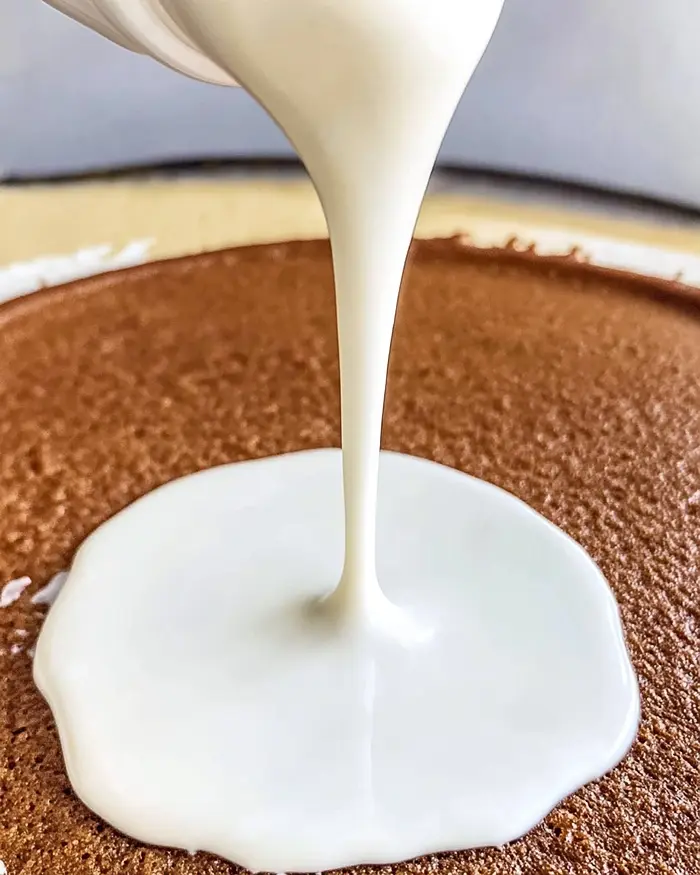
In a large bowl, combine icing sugar, hot water (or milk), and vanilla extract. Stir with a spatula until the glaze becomes smooth and glossy with a thick, pourable consistency like white glue—if it’s too thick, add water by the teaspoon; too thin, add more icing sugar.
Pour the glaze over the center of your cake and use a flat spatula to spread it evenly to the edges, letting excess drip beautifully down the sides.
Step 10: Mark the Year
Before the glaze sets (you have about 10 minutes), carve the new year’s numbers into the surface with a toothpick or arrange toasted sliced almonds to form the digits. This is tradition meeting creativity—make it yours!
Pro Tips for Vasilopita Perfection
Vasilopita Cake demands respect for technique, but these tricks make success almost guaranteed.
Room temperature ingredients are non-negotiable. Cold eggs and butter don’t emulsify properly, creating a dense, separated batter instead of the fluffy texture we’re after.
According to Serious Eats‘ research on cake science, ingredients within 10°C of each other create stable emulsions, while larger temperature gaps cause the mixture to break, resulting in grainy, heavy cakes. Set everything out 2 hours before baking.
Whisk meringues to stiff peaks, not beyond. Under-whipped meringues won’t provide structure; over-whipped ones turn grainy and won’t fold in smoothly. You want glossy, white peaks that hold their shape firmly when the whisk is lifted—they should look like a perfect mountain range, not like curdled cottage cheese.
Fold, never stir. The folding motion preserves air bubbles while stirring crushes them flat. Use a wide spatula and sweep from the bottom of the bowl up and over the top, rotating the bowl quarter-turns as you work—imagine you’re gathering clouds rather than mixing paint.
Self-rising flour already contains baking powder and salt. If you substitute all-purpose flour, add 3 teaspoons of baking powder and 1 teaspoon of salt per 750g flour. The leavening in self-rising flour is what gives Vasilopita its characteristic tender rise.
Test doneness in multiple spots. Ovens have hot spots, and this large cake might cook unevenly. Check the center, halfway between center and edge, and near the edge—all three spots should yield clean skewers before removing from the oven.
Troubleshooting Common Vasilopita Issues
Even experienced bakers hit snags. Here’s how to rescue your cake:
Why did my Vasilopita sink in the middle? Opening the oven too early is the usual culprit—that rush of cool air causes the barely-set structure to collapse before it firms up. The batter also sinks if meringues were under-beaten or over-folded, losing the air that provides lift. Wait at least 30 minutes before peeking, and fold meringues as gently as possible.
What if my meringues won’t stiffen? Even a tiny bit of yolk, grease, or water prevents egg whites from whipping properly—fat molecules interfere with protein bonds that create structure. Wipe your bowl and whisk with white vinegar, dry thoroughly, and start fresh with new egg whites. It’s frustrating but necessary!
Why is my glaze too runny? Glazes thin out if the liquid’s too hot or you’ve added too much. Gradually stir in more icing sugar by the tablespoon until it thickens to a spreadable consistency—test by lifting your spatula and watching how it falls; it should ribbon slowly off the spatula, not drip like water.
Can I fix a broken cake? If your Vasilopita breaks during flipping, piece it back together on the serving platter like a puzzle. The glaze covers a multitude of sins—once that glossy layer sets, nobody will spot the cracks underneath. Promise.
What if my cake is too dark on top but raw inside? Your oven’s running hot. Tent aluminum foil loosely over the top for the final 20 minutes of baking to prevent over-browning while the interior finishes cooking. Consider using an oven thermometer to verify actual temperature versus what the dial says.
Fun Variations and Creative Twists
Vasilopita recipe purists might gasp, but these adaptations honor tradition while adding personal flair:
Lemon-lovers version: Swap orange zest and juice for lemon, creating a brighter, more tangy profile that’s especially refreshing after heavy holiday meals.
Add toasted almonds: Fold 150g of finely chopped toasted almonds into the finished batter for subtle crunch and nutty depth that complements the citrus beautifully.
Chocolate drizzle finish: After the white glaze sets, melt 100g dark chocolate with 2 tablespoons cream and drizzle artistically over the top—it looks dramatic and tastes divine.
Gluten-free adaptation: Replace self-rising flour with a gluten-free blend plus 3 teaspoons baking powder and 1 teaspoon xanthan gum. The texture won’t be quite as cloud-like but still delicious.
Individual portions: Divide batter among large muffin tins for personal Vasilopitas—bake 25-30 minutes and hide mini foil-wrapped coins in each one so everyone gets lucky. For more individual dessert inspiration, try our shortbread cranberry pistachio cookies for easy portion control.
How Should I Serve and Store Vasilopita?
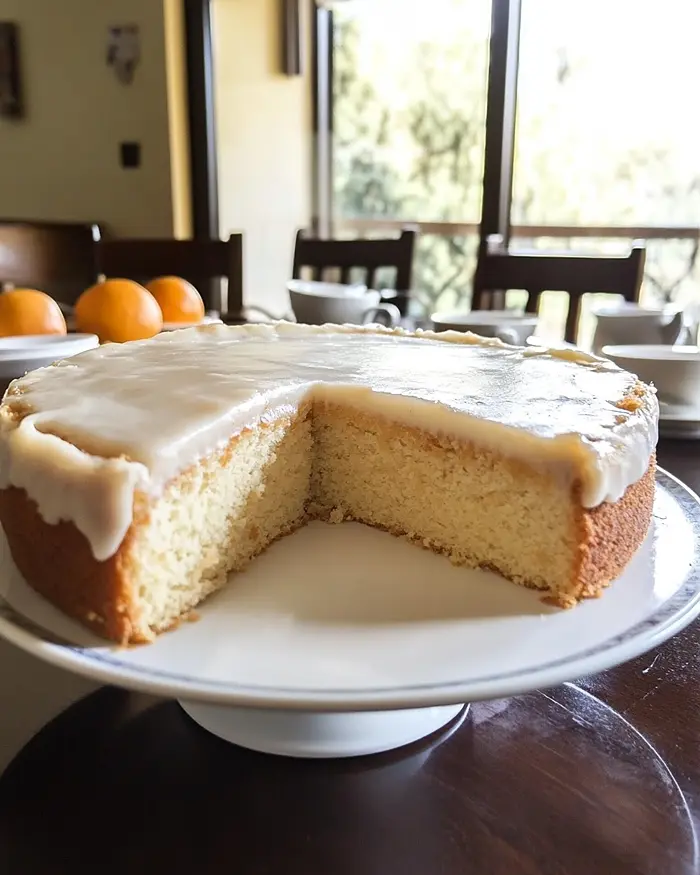
Serve your Vasilopita at room temperature, letting the flavors fully bloom. Traditionally, you’d cut slices at midnight on New Year’s Eve after making wishes for the coming year. The first slice goes to Christ, the second to the house, then to each family member from oldest to youngest—whoever gets the coin receives blessings for the year.
Storage tips: Keep leftover Vasilopita covered at room temperature for up to 3 days or refrigerated for up to a week. The yogurt keeps it remarkably moist, so it actually tastes better on day two when flavors meld together.
Can I freeze Vasilopita? Absolutely! Wrap unfrosted cake tightly in plastic wrap then aluminum foil and freeze for up to 3 months. Thaw overnight in the refrigerator, bring to room temperature, then add fresh glaze before serving. The texture stays beautifully fluffy.
No-Waste Kitchen Magic
Don’t let any part of this baking session go to waste:
Save those egg whites if you crack any yolks. Freeze them in ice cube trays for future meringues, macarons, or morning omelets—they keep frozen for 6 months.
Leftover orange halves after zesting and juicing? Simmer them with sugar and water to make candied orange peel, or rub them on stainless steel surfaces to remove odors naturally.
Glaze drips on your counter? They’re basically royal icing—scrape them up, roll into balls, and let kids decorate them with sprinkles for instant treats.
Stale Vasilopita crumbs? Pulse in a food processor with butter and press into a pan for an instant cheesecake crust, or layer with yogurt and berries for a trifle-style parfait.
Vasilopita Recipe FAQs
Can I make this vasilopita recipe ahead of time?
Yes! Bake the cake up to 2 days ahead, wrap tightly, and store at room temperature. Add the glaze and coin on serving day so it looks fresh and glossy. The cake actually improves as it sits, becoming even more tender.
What’s the best substitute for self-rising flour in Vasilopita?
Use 750g all-purpose flour mixed with 3 teaspoons baking powder and 1 teaspoon salt—sift everything together twice to distribute the leavening evenly throughout.
Why did my vasilopita turn out dense instead of fluffy?
Dense texture usually means the meringues deflated, either from under-beating initially or over-folding when combining with batter. It can also happen if ingredients were too cold to emulsify properly, or if you opened the oven too early during baking.
Can I use a different size cake pan for this recipe?
Larger pans (35cm+) will give you a thinner cake that bakes faster—check at 45 minutes. Smaller pans (28cm) create a taller cake needing 75+ minutes. The 30-35cm range is ideal for achieving traditional height and texture.
Celebrate the New Year with Every Bite
There’s something profoundly special about vasilopita recipe traditions—the way anticipation builds as you slice, how everyone holds their breath checking for the coin, the inevitable teasing when someone finds it.
This cake carries centuries of hope, family, and celebration in every orange-scented crumb. Whether you’re honoring your heritage or starting a new tradition, I hope this becomes your yearly ritual.
Now I’d love to hear how yours turns out! Did someone in your family get lucky? Did you try one of the variations? Drop a comment below and share your Vasilopita stories—or better yet, post a photo and tag us so we can celebrate with you.
Baked with love by Rebeccah Ellene
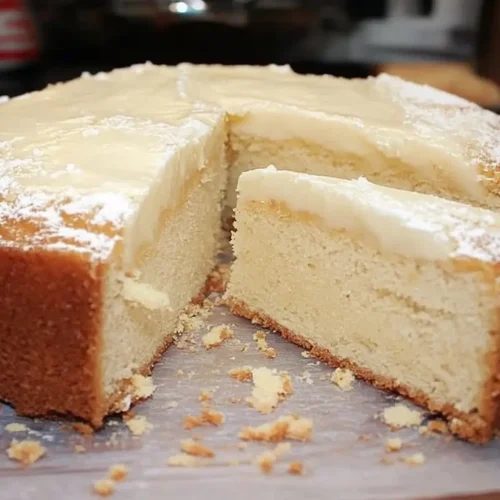
Vasilopita Recipe: Golden Greek New Year’s Cake with a Lucky Coin
Equipment
- Stand mixer with whisk and paddle attachments
- Large mixing bowls
- 30-35cm round cake tin
- fine-mesh sieve
- Wooden skewer or toothpick
- Flat spatula
- Aluminum foil
- Serving platter
Ingredients
For the Cake
- 375 g butter softened, 13oz
- 600 g granulated sugar 3 cups, 21oz
- 6 large eggs separated into yolks and whites
- 1 pinch salt
- 2 oranges orange zest zest only
- ½ cup fresh orange juice
- 200 g Greek yogurt strained, 7oz
- 1 tsp vanilla extract
- 750 g self-rising flour sifted, 26.5oz
For the Glaze
- 450 g icing sugar powdered sugar, 3 cups, 15.8oz
- 5 tbsp hot water or milk
- 2 tsp vanilla extract
Instructions
- Separate your eggs carefully, ensuring not even a speck of yolk sneaks into the whites. Add your egg whites to a spotlessly clean mixer bowl with a pinch of salt. Whisk on medium-high speed until thick, glossy peaks form that hold their shape when you lift the whisk—this takes about 5-7 minutes. Transfer to a separate bowl and set aside while you prepare the base.
- Clean your mixer bowl thoroughly and add softened butter and granulated sugar. Using the paddle attachment, beat for a full 20 minutes until the mixture looks like whipped cream—pale, fluffy, and nearly doubled in volume.
- Add egg yolks one at a time, beating until each disappears completely before adding the next. Pour in orange juice, vanilla extract, orange zest, and Greek yogurt, mixing just until combined.
- Remove the bowl from your mixer. Add one-third of the sifted self-rising flour and fold gently with your spatula using broad, sweeping strokes. Add one-third of those beautiful meringues and fold with light circular movements from bottom to top, rotating the bowl as you go. Repeat this flour-meringue pattern two more times until everything’s just combined.
- Preheat your oven to 200°C (390°F) using both top and bottom heating elements, or 180°C (356°F) if using convection. Generously butter a 30-35cm round cake tin and dust with flour, tapping out excess, or line the bottom with parchment paper. Pour in your vasilopita batter and smooth the top with your spatula.
- Place your cake tin on the lower third oven rack, immediately reduce heat to 175°C (350°F) or 160°C (320°F) for convection, and bake for approximately 60 minutes. Don’t open that oven door for the first 30 minutes. The cake’s ready when it’s deeply golden and a wooden skewer inserted in the center emerges clean with maybe a few moist crumbs.
- Let your vasilopita cool in the pan for 15 minutes, then run a knife around the edges and invert onto a plate. Once completely cool (at least 2 hours), invert again using a second plate so the top faces upward.
- Wrap your coin tightly in aluminum foil, creating a small packet. Make a small incision in the bottom of the cake and tuck the coin inside, then invert the vasilopita one final time onto your serving platter with the flat bottom facing up.
- In a large bowl, combine icing sugar, hot water (or milk), and vanilla extract. Stir with a spatula until the glaze becomes smooth and glossy with a thick, pourable consistency. Pour the glaze over the center of your cake and use a flat spatula to spread it evenly to the edges, letting excess drip beautifully down the sides.
- Before the glaze sets (you have about 10 minutes), carve the new year’s numbers into the surface with a toothpick or arrange toasted sliced almonds to form the digits.