The Ultimate Brioche French Toast Recipe
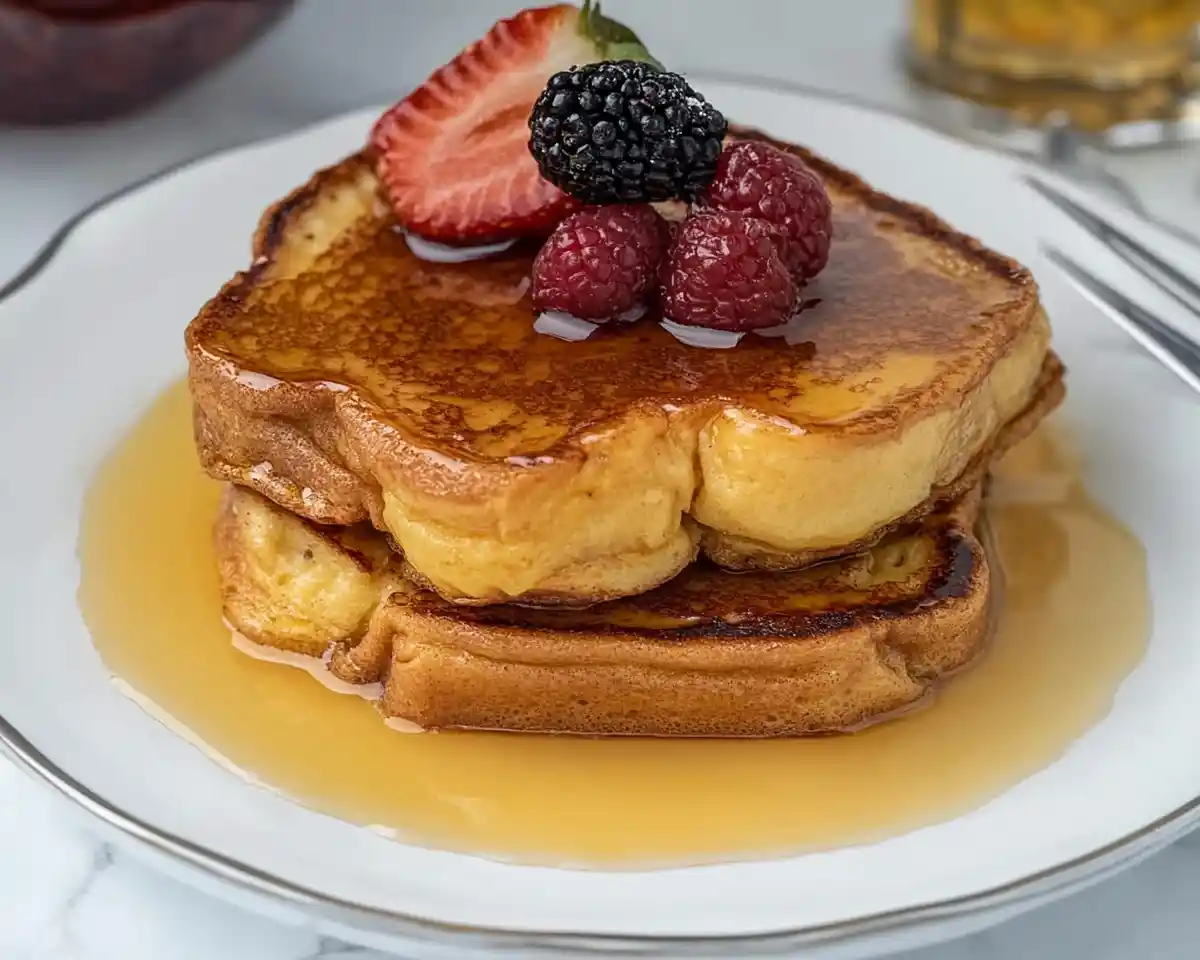
Discover how to make restaurant-quality brioche French toast at home with this easy recipe. Golden, custardy slices ready in 20 minutes—pure breakfast bliss!
What Makes This Brioche French Toast Special?
This brioche french toast transforms tender, buttery brioche slices into golden-crusted, custardy perfection by soaking them in a vanilla-scented egg mixture enriched with whole milk, then pan-frying in butter until each piece develops a caramelized exterior while staying soft and pillowy inside—served with warm maple syrup and fresh berries.
You know those mornings when you want something special but don’t have hours to spend in the kitchen? That’s exactly when I reach for this recipe. There’s something magical about how brioche’s buttery richness turns French toast from ordinary to absolutely spectacular.
The bread’s tender crumb soaks up just the right amount of egg custard without falling apart, and when you bite into that golden crust… pure heaven.
Table of Contents
Why You’ll Love This Easy Brioche French Toast
Classic brioche french toast is one of those recipes that looks impressive but comes together in about 20 minutes. Here’s why it’ll become your go-to weekend breakfast:
It’s practically foolproof. I’ve made this on autopilot while half-awake, and it still turns out beautifully. The brioche’s structure does most of the work for you.
You probably have everything already. Eggs, milk, butter, vanilla, sugar—that’s it. No specialty ingredients or last-minute grocery runs required.
It tastes like you ordered brunch at a fancy café. Seriously, I’ve served this to friends who’ve asked if I trained at culinary school. (I didn’t—I just use really good bread!)
The texture is unbeatable. According to King Arthur Baking, brioche’s high butter and egg content creates that perfect tender crumb that absorbs custard evenly without becoming soggy. That’s the secret to restaurant-quality French toast at home.
Personal tip: I learned the hard way that day-old brioche actually works better than fresh. The slightly drier texture soaks up more custard without falling apart. Now I intentionally buy my brioche a day ahead!
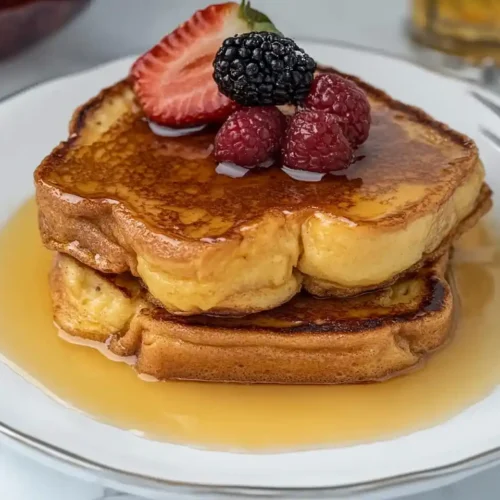
Brioche French Toast
Equipment
- Large shallow dish or pie plate
- 9×13-inch baking dish
- 12 to 14-inch skillet
- Spatula
- Serving platter
- Paper towels
Ingredients
- 4 eggs large
- ¾ cup whole milk
- 1 tablespoon sugar granulated
- 1 teaspoon vanilla extract pure
- 3 tablespoons butter unsalted, divided
- 10 slices brioche bread slightly stale works better
- ½ cup pure maple syrup warmed
- fresh berries for serving
Instructions
- Crack 4 eggs into a shallow dish (a pie plate works perfectly) and whisk them until the yolks and whites are completely blended. Add 3/4 cup whole milk, 1 tablespoon sugar, and 1 teaspoon vanilla extract, whisking again until everything’s well combined and slightly frothy. The sugar dissolves quickly, creating a subtly sweet coating that caramelizes beautifully when it hits the hot butter.
- Add 1 tablespoon butter to your 12 to 14-inch skillet and place it over MEDIUM heat. Wait until the butter melts and begins to foam but hasn’t browned yet. That foam means the water in the butter has evaporated and you’re ready to cook.
- While the butter heats, place one slice of brioche into the egg mixture, turning it to coat both sides evenly. Don’t let it soak too long—about 5 seconds per side is perfect. The moment your butter foams, add the coated brioche to the pan. Dip and transfer as many slices as will fit comfortably without touching (usually 2 to 3 pieces). Cook for 3 to 4 minutes until the bottom is golden brown with crispy edges, then flip and cook another 3 to 4 minutes on the second side.
- Transfer the cooked French toast to a platter. If you’re serving a crowd and need to make multiple batches, place finished slices on a baking sheet in a 200°F oven—they’ll stay warm and crispy without drying out.
- Wipe down the skillet with a paper towel to remove any browned bits, then add another tablespoon of butter and repeat the process with the remaining bread slices and egg mixture. You should get through all 10 slices in about 3 batches.
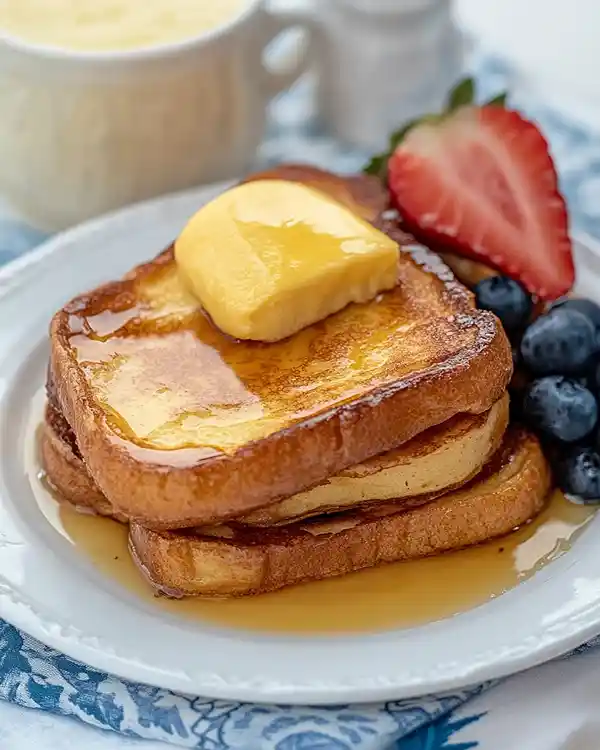
- Plate your golden French toast, drizzle with warmed maple syrup, and scatter fresh berries on top. Serve immediately.
Notes
Nutrition
One recipe down, and so many more to explore! Head over to our complete Breakfast sweets & baking basics lineup for more delicious ideas that’ll keep your kitchen buzzing. Bookmark this one — you’ll thank yourself later.
Nutritional Information Per Serving
| Nutrient | Amount |
|---|---|
| Calories | 285 |
| Protein | 9g |
| Carbohydrates | 38g |
| Fat | 11g |
| Sugar | 18g |
| Fiber | 1g |
Ingredients for Your Brioche French Toast Recipe
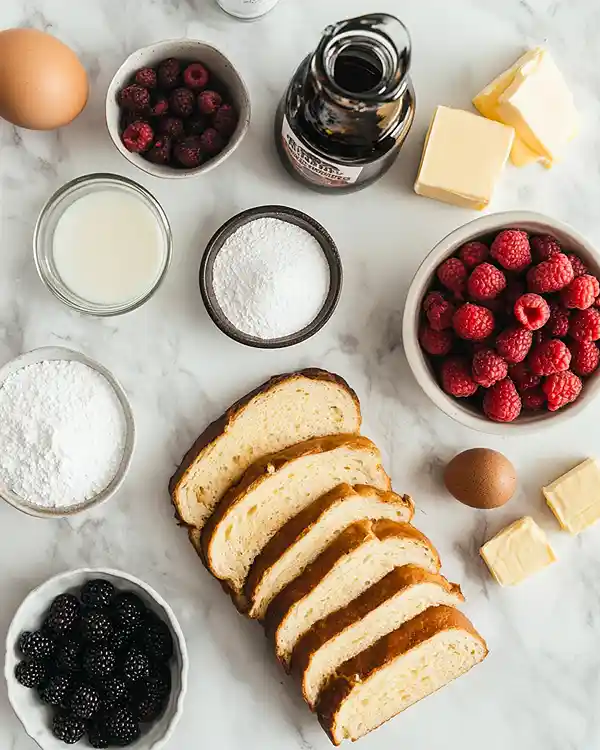
Getting your easy brioche french toast right starts with quality ingredients—though honestly, this recipe is pretty forgiving. Here’s what you’ll need:
| Amount | Ingredient |
|---|---|
| 4 | large eggs |
| ¾ cup | whole milk (half-and-half makes it extra rich!) |
| 1 tablespoon | granulated sugar |
| 1 teaspoon | pure vanilla extract (the real stuff makes a difference) |
| 3 tablespoons | unsalted butter, divided |
| 10 slices | brioche bread (slightly stale works even better) |
| ½ cup | pure maple syrup, warmed |
| — | fresh berries for serving (whatever’s in season!) |
Essential Equipment
You don’t need fancy tools for this—just the basics:
Must-haves:
- Large shallow dish (a pie plate is perfect) or 9×13-inch baking dish
- Whisk
- 12 to 14-inch skillet (nonstick or well-seasoned cast iron)
- Spatula
- Serving platter
Nice to have:
- Warming tray or baking sheet (for keeping finished toast warm)
- Paper towels (for wiping down the skillet between batches)
How to Make Brioche French Toast Step by Step
Making perfect brioche french toast is all about timing and temperature. Let me walk you through it like we’re cooking together:
1. Create your custard base. Crack 4 eggs into a shallow dish (I love using a pie plate for this) and whisk them until the yolks and whites are completely blended. Add ¾ cup whole milk, 1 tablespoon sugar, and 1 teaspoon vanilla extract, whisking again until everything’s well combined and slightly frothy.
The sugar dissolves quickly, creating a subtly sweet coating that caramelizes beautifully when it hits the hot butter.
2. Heat your skillet properly. Add 1 tablespoon butter to your 12 to 14-inch skillet and place it over MEDIUM heat—this is crucial. Too high and the outside burns before the inside cooks through; too low and you’ll get pale, soggy toast. Wait until the butter melts and begins to foam but hasn’t browned yet. That foam means the water in the butter has evaporated and you’re ready to cook.
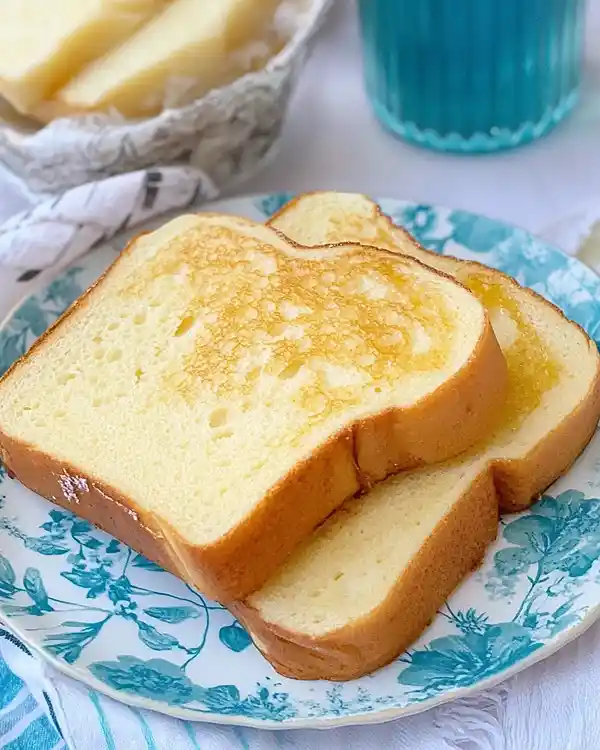
3. Coat and cook the brioche slices. While the butter heats, place one slice of brioche into the egg mixture, turning it to coat both sides evenly. Don’t let it soak too long—about 5 seconds per side is perfect.
The moment your butter foams, add the coated brioche to the pan. Dip and transfer as many slices as will fit comfortably without touching (usually 2 to 3 pieces, depending on your pan size). Cook for 3 to 4 minutes until the bottom is golden brown with crispy edges, then flip and cook another 3 to 4 minutes on the second side.
4. Keep the finished toast warm. Transfer the cooked French toast to a platter. If you’re serving a crowd and need to make multiple batches, place finished slices on a baking sheet in a 200°F oven—they’ll stay warm and crispy without drying out. This trick has saved me countless times when hosting brunch!
5. Repeat for remaining batches. Wipe down the skillet with a paper towel to remove any browned bits (they can make subsequent batches taste bitter), then add another tablespoon of butter and repeat the process with the remaining bread slices and egg mixture. You should get through all 10 slices in about 3 batches.
6. Serve immediately. Plate your golden French toast, drizzle with warmed maple syrup, and scatter fresh berries on top. The contrast of warm, buttery toast with cool, juicy berries is absolutely divine.
Pro Tips for Perfect Brioche French Toast Every Time
Want to take your brioche french toast recipe from good to incredible? Here are the tricks I’ve learned through years of weekend breakfast cooking:
Use day-old or slightly stale brioche. Fresh brioche is lovely, but it’s almost too soft and can fall apart when you dip it. Bread that’s been sitting out for 12 to 24 hours has a firmer structure that holds up beautifully. If you only have fresh brioche, toast the slices lightly in a 300°F oven for about 5 minutes to dry them out slightly.
Don’t oversoak your bread. This is the number one mistake I see people make. Brioche is rich and tender, so it absorbs liquid quickly. According to Serious Eats, bread soaked for more than 10 seconds becomes waterlogged, leading to a soggy center that never fully cooks through. A quick 5-second dip per side gives you that perfect custardy interior without mushiness.
Master your heat level. Medium heat is non-negotiable here. I tested this recipe at various temperatures, and medium gives you that ideal 3 to 4 minute cooking time per side—enough to cook the egg custard through while developing a deeply golden, caramelized crust.
Higher heat burns the outside while leaving the center undercooked; lower heat steams rather than fries, giving you pale, tough toast.
Room temperature ingredients create better texture. Cold eggs straight from the fridge don’t emulsify as smoothly with milk, sometimes creating streaky coating rather than uniform custard. Let your eggs sit out for 15 minutes before whisking, or place them in warm water for 5 minutes. This small step makes a noticeable difference in how evenly your custard coats the bread.
Warm your maple syrup. Seriously, this sounds fussy but it transforms the dish. Cold syrup just sits on top of the toast, but warmed syrup (30 seconds in the microwave) soaks in slightly, sweetening every bite. Plus it stays fluid instead of getting thick and sticky.
Check out this guide to selecting and storing pure maple syrup from King Arthur Baking for more details on working with this liquid gold.
Troubleshooting Guide: Common French Toast Problems Solved
Why is my French toast soggy in the middle? You’re either soaking the bread too long or cooking it at too low a temperature. Keep your dip to 5 seconds per side, and make sure your skillet is at medium heat with the butter actively foaming before adding the bread. If your toast still seems undercooked inside, reduce the heat slightly and cook each side an extra minute.
What if my French toast is burning on the outside but raw inside? Your heat’s too high! Reduce to medium and be patient. French toast needs gentle, even heat to cook the egg custard all the way through while developing that golden crust. If you’ve already burned a batch, wipe out the pan completely, reduce the heat, and let the pan cool for a minute before starting again.
Can I make the egg mixture ahead of time? Absolutely! Whisk it together and refrigerate for up to 24 hours. Just give it a quick whisk before using, as the ingredients may separate slightly. This is perfect for stress-free holiday morning cooking.
Why does my French toast stick to the pan? Either your pan isn’t hot enough when you add the bread, or you’re trying to flip it too soon.
Make sure the butter is foaming (not just melted), wait the full 3 to 4 minutes for the first side to develop a proper crust, and use a thin spatula to gently release it before flipping. A well-seasoned cast iron or quality nonstick pan helps tremendously.
Delicious Variations and Creative Twists
Once you’ve mastered the classic brioche french toast, the fun really begins. Here are some of my favorite riffs:
Cinnamon Sugar Brioche French Toast. Add 1 teaspoon ground cinnamon and an extra tablespoon of sugar to your egg mixture. Dust the finished toast with cinnamon sugar while it’s still hot. My kids request this version every single time.
Orange Zest French Toast. Add the zest of one orange and a pinch of nutmeg to your custard. The bright citrus note cuts through the richness beautifully. Serve with fresh whipped cream and candied orange peel for a truly special brunch.
Chocolate Chip Brioche French Toast. Press a few chocolate chips into one side of each custard-coated slice before placing it chocolate-side-down in the pan. Kids lose their minds over this one.
Serving, Storage, and Reheating Your French Toast
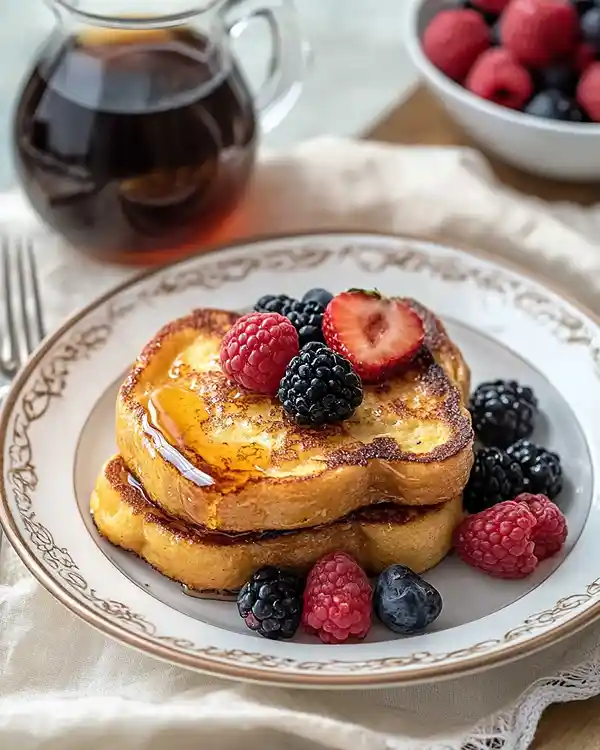
How should I serve brioche french toast? Pile those golden beauties on a warm platter and let everyone customize their own. Set out warmed maple syrup, fresh berries, whipped cream, powdered sugar, and maybe some crispy bacon on the side. I like to serve mine family-style so everyone can dig in while everything’s still hot.
Can I store leftover French toast? Yes! Let the slices cool completely, then stack them with parchment paper between each piece. Store in an airtight container in the fridge for up to 3 days. They won’t be quite as crispy as fresh, but they’re still delicious.
What’s the best way to reheat brioche french toast? Skip the microwave—it makes them soggy. Instead, place slices on a baking sheet and reheat in a 350°F oven for 5 to 7 minutes until warmed through and slightly crisp again. Or reheat individual slices in a toaster oven for 3 to 4 minutes. You can also give them a quick sear in a buttered skillet to restore that golden crust.
Can I freeze French toast? Absolutely! This is meal prep gold. Cool the slices completely, freeze them in a single layer on a baking sheet, then transfer to a freezer bag. They’ll keep for up to 2 months. Reheat directly from frozen in a 350°F oven for 10 to 12 minutes, or pop them in the toaster for a quick weekday breakfast.
If you’re building a full café-style brunch spread, our easy pistachio croissant recipe transforms day-old croissants into nutty, frangipane-filled pastries that pair beautifully with a plate of brioche French toast.
No-Waste Kitchen Magic
Don’t let anything go to waste—here’s how to use every last bit:
Leftover egg mixture? Scramble it for yourself while the French toast cooks, or use it to make a quick mini frittata with any vegetables you have on hand.
Extra brioche getting stale? Perfect! Cut it into cubes and make bread pudding, or dry the cubes completely for homemade breadcrumbs. Brioche breadcrumbs make incredible breading for chicken or fish.
French toast that’s past its prime? Cut it into cubes, toss with butter and cinnamon sugar, and bake at 350°F for 10 minutes to make French toast croutons for ice cream or yogurt parfaits. Trust me on this one.
Brioche French Toast FAQs
Can I make brioche french toast ahead of time for a crowd?
Yes! Cook all the French toast as directed, let it cool, then refrigerate. Reheat on a baking sheet at 350°F for 8 to 10 minutes before serving. It won’t be quite as crispy-fresh, but it’s still delicious and saves your sanity when hosting brunch. For the absolute best texture, freeze the cooked slices and reheat from frozen.
What’s the best substitute for brioche bread in this recipe?
Challah bread is the closest substitute—it has a similar tender, eggy crumb and mild sweetness. Texas toast or thick-sliced white bread also work well, though they’ll be less rich. Avoid very crusty artisan breads as they don’t absorb the custard as beautifully.
Why did my French toast turn out eggy tasting?
You either used too much egg in proportion to milk, or you cooked it at too low a temperature. The custard needs to fully cook through to eliminate that raw egg flavor. Make sure your heat is at medium and cook each side the full 3 to 4 minutes until golden brown throughout.
Can I use skim milk or non-dairy milk for brioche french toast?
You can, but whole milk or half-and-half gives you the best flavor and richness. If you do use skim or non-dairy alternatives, add an extra egg yolk to compensate for the missing fat—this helps create that custardy texture we’re after. Oat milk and full-fat coconut milk work better than almond milk, which can taste watery.
How do I prevent the butter from burning between batches?
Wipe out the pan with a paper towel between batches to remove any browned butter or bits of cooked egg. Start fresh with clean butter each time. If your butter does start to brown, reduce your heat slightly—you want it foaming but not turning dark brown.
Can I freeze brioche french toast for meal prep?
Absolutely! Cook the French toast completely, cool it on a wire rack, then freeze slices in a single layer on a baking sheet. Once frozen solid, transfer to a freezer-safe bag or container for up to 2 months. Reheat directly from frozen in a toaster, toaster oven, or 350°F oven until heated through and crispy again.
Final Thoughts on This Brioche French Toast Recipe
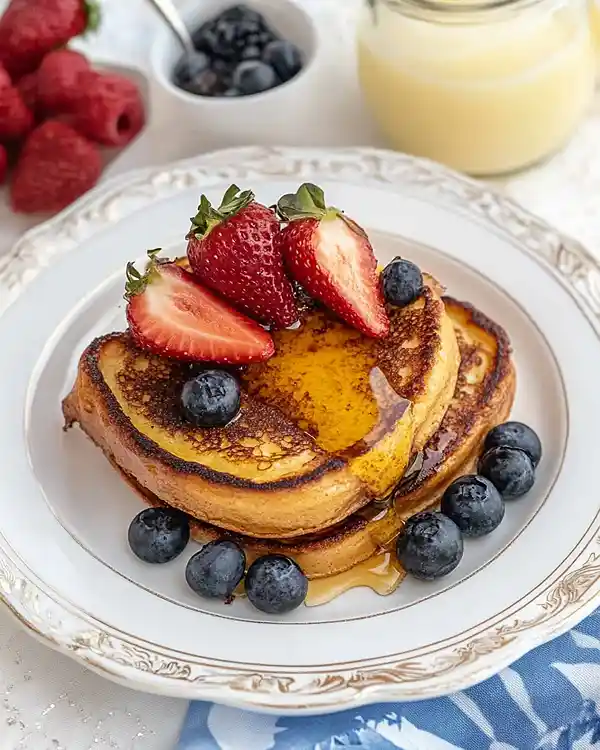
There’s something wonderfully comforting about making brioche french toast on a lazy weekend morning. The smell of vanilla and butter, the sizzle in the pan, those golden edges getting crispy while the center stays soft—it’s breakfast magic that never gets old.
I’d love to hear how yours turns out! Drop a comment below with your favorite toppings or any creative twists you tried. And if you snap a photo, tag us on social media—I genuinely get excited seeing your creations.
For another bakery-style showstopper, our pistachio chocolate babka pull apart braids soft dough with chocolate-pistachio swirls—perfect next to this French toast on a special-occasion breakfast table.
Baked with love by Rebeccah Ellene