Sweet Potato Cake with Marshmallow Frosting
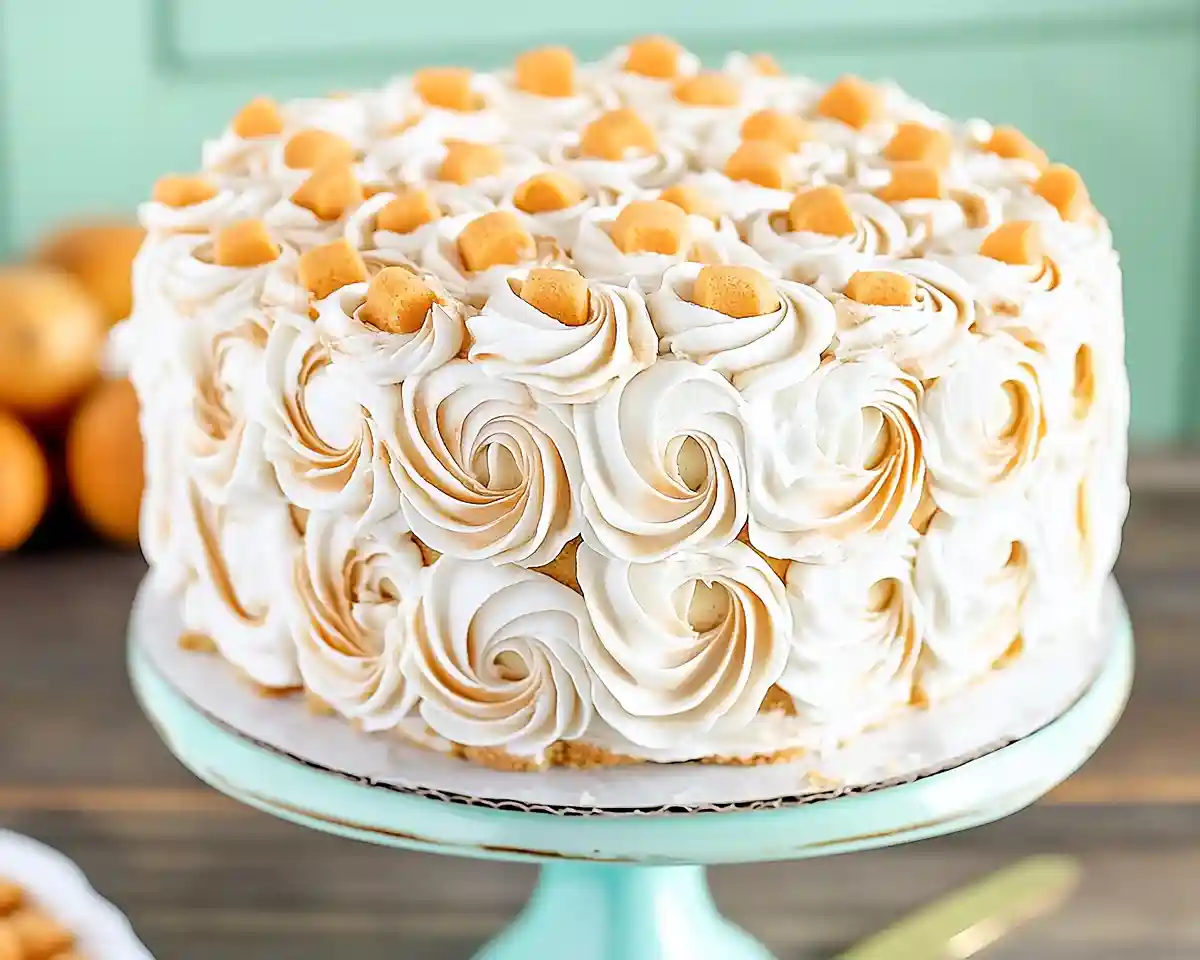
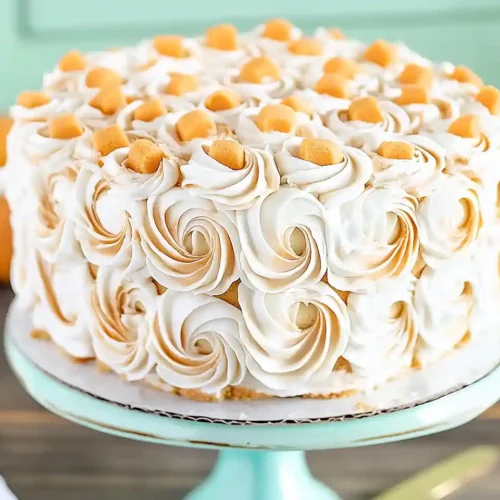
This sweet potato cake with marshmallow frosting combines autumn’s best flavors—spiced, moist layers topped with torched, fluffy marshmallow clouds. Pure magic!
What Makes This Sweet Potato Marshmallow Cake Special?
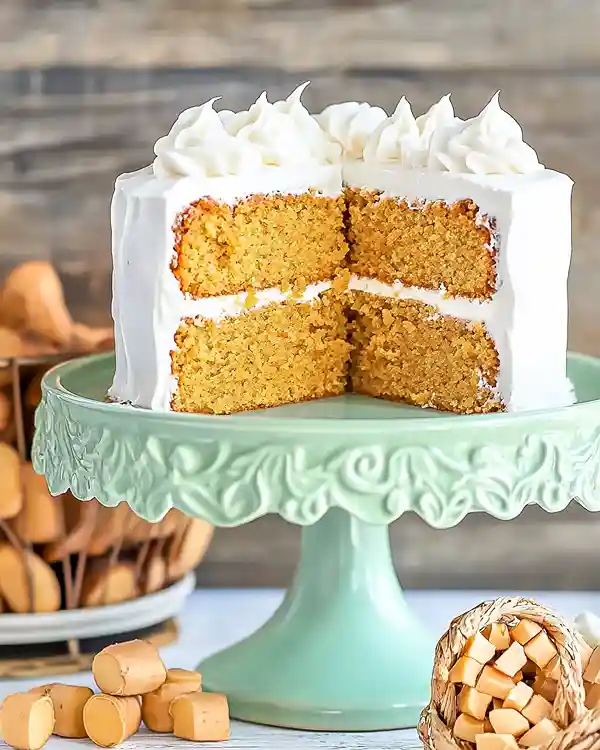
This sweet potato cake with marshmallow frosting transforms humble sweet potato puree, warm cinnamon, nutmeg, brown sugar, and fluffy homemade marshmallow fluff into a showstopping two-layer cake with moist, tender crumb and pillowy-soft, torchable frosting that tastes like campfire nostalgia.
I’ll be honest—I stumbled onto this sweet potato marshmallow cake recipe after Thanksgiving when I had way too much leftover sweet potato puree. Instead of making another casserole, I wondered what would happen if I treated sweet potatoes like I do pumpkin in cakes. Spoiler: magic happened.
The natural sweetness and moisture from the sweet potatoes create this incredibly tender crumb, while the homemade marshmallow fluff (yes, we’re making it from scratch!) adds that nostalgic, toasted campfire vibe.
Love layered celebration cakes? Our strawberry funfetti cake delivers the same show-stopping layers and fluffy texture—perfect for birthdays and special occasions year-round.
Table of Contents
Why You’ll Love This Sweet Potato Cake with Marshmallow Icing
This easy sweet potato cake with marshmallow icing hits different than your typical layer cake. Here’s why it’s about to become your go-to:
It’s ridiculously moist. Sweet potato puree acts like nature’s moisture insurance policy—this cake stays tender for days without drying out.
The marshmallow frosting is next-level. Forget jarred fluff. We’re making Italian meringue-style marshmallow from egg whites, sugar syrup, and vanilla that’s fluffy, glossy, and torchable for those gorgeous golden peaks.
It tastes like fall decided to throw a party. Cinnamon and nutmeg dance with brown sugar and sweet potato, creating warm, comforting flavors without being overly spiced.
It’s easier than it looks. Despite the fancy presentation, this is basically a one-bowl cake plus a stand mixer frosting. I tested this recipe seven times to get the proportions just right, and even my friend who “doesn’t bake” nailed it on her first try.
According to King Arthur Baking’s research on vegetable-based cakes, sweet potatoes add not just moisture but also structure due to their starch content, which helps prevent that dreaded sunken center.
Sweet Potato Cake with Marshmallow Frosting
Equipment
- Two 8-inch round cake pans
- Stand mixer with whisk attachment
- Candy thermometer
- Medium saucepan
- medium mixing bowl
- Wire cooling racks
- Offset spatula
- Kitchen torch
- 1M piping tip and piping bag
- Cake turntable
Ingredients
Sweet Potato Cake
- 2 ½ cups all-purpose flour spoon and level for accuracy
- 2 ¼ tsp baking powder make sure it’s fresh
- 1 tsp ground cinnamon use quality cinnamon for best flavor
- ¼ tsp ground nutmeg freshly grated is divine
- ¾ tsp salt balances the sweetness perfectly
- 6 Tbsp unsalted butter, melted and cooled don’t skip the cooling step
- 6 Tbsp vegetable oil keeps the cake extra moist
- 1 cup granulated sugar regular white sugar works great
- 1 cup light-brown sugar, packed the molasses adds depth
- 1 ½ cups sweet potato puree homemade or canned both work
- 3 large eggs, room temperature this matters for texture
- 1 tsp vanilla extract pure vanilla is worth it
Marshmallow Fluff
- ⅔ cup water just regular tap water
- 1 ½ cups granulated sugar we’re making candy here
- 1 ½ cups light corn syrup prevents crystallization
- 6 large egg whites, room temperature grease-free bowl is crucial
- 1 tsp cream of tartar stabilizes the whites
- 2 tsp vanilla extract adds that classic marshmallow flavor
Instructions
- Preheat your oven to 350°F and generously grease and flour two 8-inch cake pans. Line the bottoms with parchment rounds for foolproof release.
- In a medium bowl, whisk together all-purpose flour, ground cinnamon, ground nutmeg, baking powder, and salt until evenly combined with no clumps visible. This distributes the spices beautifully throughout every bite.
- In a large bowl, whisk together both sugars (granulated and light-brown), melted butter, vegetable oil, sweet potato puree, eggs, and vanilla extract until the mixture is smooth, glossy, and slightly pale—about 30 seconds of vigorous whisking does it.
- Add your dry mixture to the wet ingredients and fold gently with a rubber spatula until just combined with no flour streaks remaining. A few small lumps are fine—overmixing creates tough, dense cake instead of tender crumb.
- Divide the batter evenly between your prepared pans and bake for 35-40 minutes, until a toothpick inserted into the center comes out with just a few moist crumbs attached. The tops should spring back when gently pressed.
- Let the cakes cool in their pans on wire racks for 10 minutes, then carefully turn them out onto the racks to cool completely—this takes about an hour. Patience here prevents mushy frosting disasters.
- Place water, granulated sugar, and light corn syrup in a medium saucepan, stirring just to combine. Insert your candy thermometer and heat over medium-high without stirring from this point—stirring creates sugar crystals, which make grainy frosting.
- When your sugar syrup reaches about 225°F, place egg whites and cream of tartar in your completely grease-free stand mixer bowl and begin whipping on medium-high speed until soft peaks form. Timing is everything here.
- When the whites reach soft peaks and your syrup hits exactly 240°F, remove the syrup from heat, turn your mixer to medium speed, and very slowly pour the hot syrup into the whites in a thin, steady stream down the side of the bowl. Avoid the whisk or you’ll create sugar strings.
- Once all the syrup is incorporated, increase speed to medium-high and continue whipping for 7-8 minutes until the mixture transforms into thick, glossy, room-temperature marshmallow fluff. It’ll deflate initially, then magically puff up. Add vanilla extract in the last minute.
- Place one cooled cake layer on your serving plate, top with 1 cup of marshmallow fluff spread evenly (it’s thick and sticky, totally normal), add the second layer, then apply a thin crumb coat of marshmallow all around to seal in any dark cake bits.
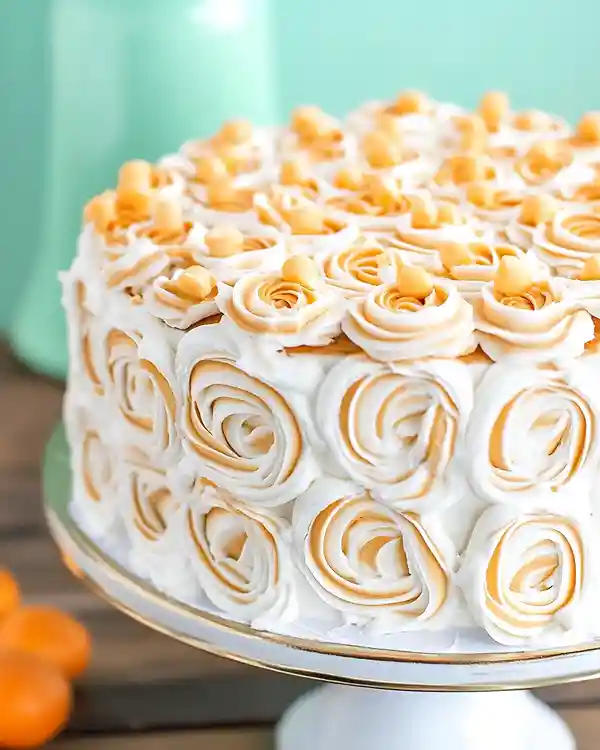
- Using a piping bag fitted with a 1M tip, pipe rosettes all over the sides and top of the cake in whatever pattern makes your heart happy. If you have a kitchen torch, lightly toast the peaks for that gorgeous campfire look and caramelized flavor.
Notes
Nutrition
Nutritional Information Per Serving
| Nutrient | Amount |
|---|---|
| Calories | 385 |
| Protein | 5g |
| Carbohydrates | 68g |
| Fat | 12g |
| Fiber | 2g |
| Sugar | 52g |
Based on 12 servings
What You’ll Need for This Marshmallow Frosting Sweet Potato Cake
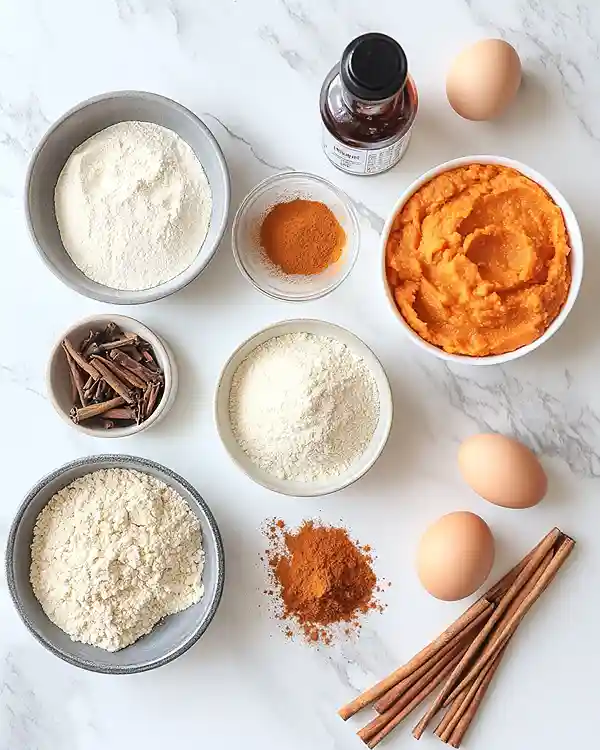
Let me walk you through everything for this marshmallow frosting sweet potato cake—it’s simpler than you’d think!
| Amount | Ingredient | Notes |
|---|---|---|
| For the Sweet Potato Cake: | ||
| 2 1/2 cups | All-purpose flour | Spoon and level for accuracy |
| 2 1/4 tsp | Baking powder | Make sure it’s fresh! |
| 1 tsp | Ground cinnamon | Use quality cinnamon for best flavor |
| 1/4 tsp | Ground nutmeg | Freshly grated is divine |
| 3/4 tsp | Salt | Balances the sweetness perfectly |
| 6 Tbsp | Unsalted butter, melted & cooled | Don’t skip the cooling step |
| 6 Tbsp | Vegetable oil | Keeps the cake extra moist |
| 1 cup | Granulated sugar | Regular white sugar works great |
| 1 cup | Light-brown sugar, packed | The molasses adds depth |
| 1 1/2 cups | Sweet potato puree | Homemade or canned both work |
| 3 large | Eggs, room temperature | This matters for texture! |
| 1 tsp | Vanilla extract | Pure vanilla is worth it |
| For the Marshmallow Fluff: | ||
| 2/3 cup | Water | Just regular tap water |
| 1 1/2 cups | Granulated sugar | We’re making candy here! |
| 1 1/2 cups | Light corn syrup | Prevents crystallization |
| 6 large | Egg whites, room temperature | Grease-free bowl is crucial |
| 1 tsp | Cream of tartar | Stabilizes the whites |
| 2 tsp | Vanilla extract | Adds that classic marshmallow flavor |
The sweet potato puree is the star here—I usually roast my own sweet potatoes, but honestly, canned pure sweet potato (not the pie filling!) works beautifully.
Equipment You’ll Need
Essential:
- Two 8-inch round cake pans
- Stand mixer with whisk attachment (for the frosting)
- Candy thermometer (don’t skip this!)
- Medium saucepan
- Large mixing bowl
- Medium mixing bowl
- Wire cooling racks
- Offset spatula
Optional but fun:
- Kitchen torch (for toasting those marshmallow peaks)
- 1M piping tip and piping bag
- Cake turntable (makes frosting easier)
How to Make Sweet Potato Cake with Marshmallow Frosting
Let’s bake this beauty! The sweet potato cake with marshmallow frosting comes together in two main parts, and I promise neither is scary.
1. Prep your workspace. Preheat your oven to 350°F and generously grease and flour two 8-inch cake pans—I like to line the bottoms with parchment rounds too for foolproof release.
2. Mix the dry ingredients. In a medium bowl, whisk together all-purpose flour, ground cinnamon, ground nutmeg, baking powder, and salt until evenly combined with no clumps visible. This distributes the spices beautifully throughout every bite.
3. Combine the wet ingredients. In a large bowl, whisk together both sugars (granulated and light-brown), melted butter, vegetable oil, sweet potato puree, eggs, and vanilla extract until the mixture is smooth, glossy, and slightly pale—about 30 seconds of vigorous whisking does it.
4. Bring it all together. Add your dry mixture to the wet ingredients and fold gently with a rubber spatula until just combined with no flour streaks remaining (a few small lumps are fine—overmixing creates tough, dense cake instead of tender crumb).
5. Bake to perfection. Divide the batter evenly between your prepared pans and bake for 35-40 minutes, until a toothpick inserted into the center comes out with just a few moist crumbs attached. The tops should spring back when gently pressed.
6. Cool completely. Let the cakes cool in their pans on wire racks for 10 minutes, then carefully turn them out onto the racks to cool completely—this takes about an hour, and patience here prevents mushy frosting disasters!
7. Start the marshmallow magic. Place water, granulated sugar, and light corn syrup in a medium saucepan, stirring just to combine. Insert your candy thermometer and heat over medium-high without stirring from this point (stirring creates sugar crystals, which make grainy frosting).
8. Whip the egg whites. When your sugar syrup reaches about 225°F, place egg whites and cream of tartar in your completely grease-free stand mixer bowl and begin whipping on medium-high speed until soft peaks form. Timing is everything here!
9. Make the magic happen. When the whites reach soft peaks and your syrup hits exactly 240°F, remove the syrup from heat, turn your mixer to medium speed, and very slowly pour the hot syrup into the whites in a thin, steady stream down the side of the bowl (avoid the whisk or you’ll create sugar strings).
10. Whip it good. Once all the syrup is incorporated, increase speed to medium-high and continue whipping for 7-8 minutes until the mixture transforms into thick, glossy, room-temperature marshmallow fluff—it’ll deflate initially, then magically puff up. Add vanilla extract in the last minute.
11. Assemble your masterpiece. Place one cooled cake layer on your serving plate, top with 1 cup of marshmallow fluff spread evenly (it’s thick and sticky, totally normal), add the second layer, then apply a thin crumb coat of marshmallow all around to seal in any dark cake bits.
12. Pipe and torch. Using a piping bag fitted with a 1M tip, pipe rosettes all over the sides and top of the cake in whatever pattern makes your heart happy. If you have a kitchen torch, lightly toast the peaks for that gorgeous campfire look and caramelized flavor.
Pro Tips for Perfect Results
This easy sweet potato cake with marshmallow icing benefits from a few insider tricks I learned through trial and error.
Room temperature matters more than you think. Cold eggs won’t emulsify properly with the butter and oil, creating a separated, grainy batter.
Let your eggs sit out for 30 minutes before baking—a temperature difference greater than 10°C can cause the batter to break, resulting in dense texture rather than light, tender crumb. Serious Eats explains the science behind ingredient temperatures and emulsion stability beautifully.
Don’t fear the candy thermometer. I know it seems fussy, but hitting exactly 240°F is what creates stable, fluffy marshmallow frosting that doesn’t weep or collapse. Too low and it’ll be runny; too high and it becomes chewy candy.
Make the frosting right before assembly. Unlike buttercream, marshmallow fluff doesn’t hold well in the fridge—it gets sticky and loses volume. Plan to frost your cake within 30 minutes of making the fluff for best results.
Grease is the enemy of meringue. Even a tiny bit of oil or fat will prevent your egg whites from whipping properly. Wipe your mixer bowl and whisk with white vinegar before starting to ensure they’re spotless.
Troubleshooting Common Issues
Why is my cake dense instead of fluffy? You likely overmixed the batter after adding the flour. Once those dry ingredients hit the wet mixture, mix only until you can’t see flour streaks—about 15-20 gentle folds should do it. Overmixing develops gluten, which creates tough, dense texture.
My marshmallow frosting is runny and won’t hold peaks. What happened? Your sugar syrup probably didn’t reach 240°F before you added it to the egg whites. The syrup needs to hit that firm-ball stage to create structure. Reheat the syrup to the correct temperature and try again with fresh egg whites.
The cake sank in the middle. Help! This usually means underbaking or opening the oven door too early. The cake needs the full 35-40 minutes without interruption until it’s set. Also check that your baking powder is fresh—expired leavener won’t give proper rise.
My frosting is grainy instead of smooth. Sugar crystals formed during cooking, usually from stirring the syrup after heating started or from crystals on the pan sides. Next time, don’t stir once heating begins, and brush down the pan sides with a wet pastry brush.
Fun Variations to Try
Go maple pecan. Replace 1/4 cup of the granulated sugar with pure maple syrup and fold 1 cup toasted pecans into the batter for an autumn twist that’s absolutely divine.
Try cream cheese frosting instead. Not feeling the marshmallow? A tangy cream cheese frosting pairs beautifully with sweet potato’s earthy sweetness for a more classic approach.
Add warming spices. Increase the cinnamon to 1 1/2 tsp and add 1/4 tsp ground ginger plus a pinch of cardamom for a chai-spiced version.
For chocolate lovers at your fall gathering, our mile high chocolate cake offers jaw-dropping height and rich flavor—the ultimate celebration centerpiece.
How to Serve, Store, and Reheat
Serving: This cake is stunning at room temperature, which is perfect for parties since you don’t need to rush it from the fridge. Cut with a sharp knife wiped clean between slices for pretty portions. The marshmallow fluff is sweet, so smaller slices actually feel more satisfying.
Storage: Store the frosted cake at room temperature under a cake dome for up to 2 days. After that, refrigerate it loosely covered—the marshmallow will get a bit sticky but still tastes incredible. Let it sit at room temperature for 30 minutes before serving.
Freezing: You can freeze unfrosted cake layers wrapped tightly in plastic wrap and foil for up to 3 months. Thaw overnight in the fridge before frosting. Don’t freeze the assembled cake—marshmallow frosting doesn’t freeze well and gets weepy when thawed.
No-Waste Kitchen Magic
Use that leftover sweet potato. If you roasted extra sweet potatoes, mash them for pancakes, stir into oatmeal, or blend into smoothies for natural sweetness and gorgeous color.
Repurpose cake scraps. If you trim the cake layers for even surfaces, crumble those scraps over yogurt, fold into milkshakes, or freeze for cake pops later.
Frequently Asked Questions
Can I make this sweet potato cake with marshmallow frosting ahead of time?
You can bake the cake layers up to 2 days ahead and store them wrapped at room temperature, but make the marshmallow frosting the day you plan to serve for best texture and stability.
What’s the best substitute for sweet potato puree in this recipe?
Pumpkin puree works beautifully as a 1:1 swap, though you’ll get a slightly less sweet cake. Butternut squash puree is another great option that keeps the same earthy-sweet vibe.
Can I use store-bought marshmallow fluff instead of homemade?
Absolutely! You’ll need about 3 cups of jarred marshmallow fluff. It won’t have quite the same glossy, pipeable consistency, but it’ll still taste delicious and save you time.
Why did my marshmallow frosting turn out sticky instead of fluffy?
This happens when the sugar syrup doesn’t reach 240°F or when the egg whites are overbeaten before adding the syrup. Use a reliable candy thermometer and stop whipping the whites at soft peaks, not stiff.
How do I prevent the cake layers from sticking to the pans?
Grease your pans thoroughly with butter or baking spray, dust with flour, and tap out the excess. I also line the bottoms with parchment paper rounds for guaranteed easy release every single time.
Can I make this recipe as cupcakes instead of a layer cake?
Yes! This batter makes about 24 cupcakes. Bake at 350°F for 18-22 minutes and pipe or dollop the marshmallow fluff on top—torch them for a fun s’mores effect.
Ready to Bake Your Best Sweet Potato Cake Yet?
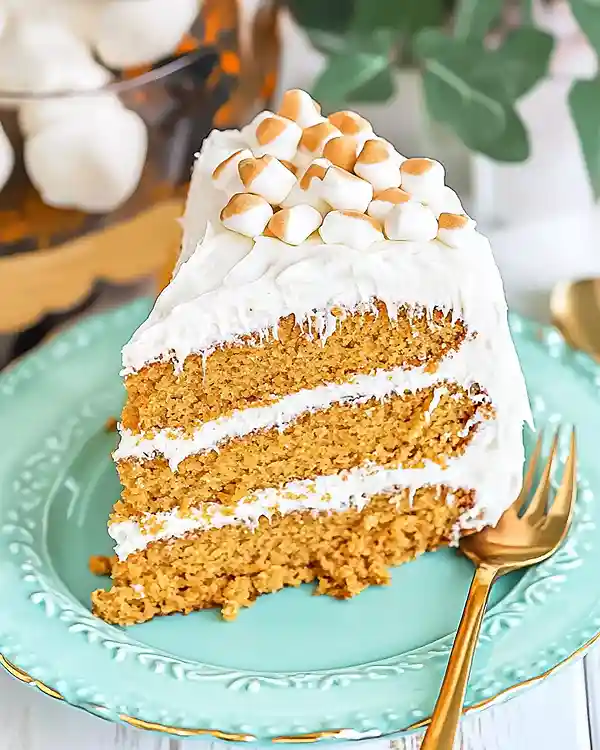
This sweet potato cake with marshmallow frosting is the kind of recipe that makes people ask for seconds and the recipe card. The moist, spiced layers paired with pillowy clouds of toasted marshmallow create something truly special—cozy enough for family dinners but impressive enough for holiday gatherings.
I’d love to see your creation! Drop a comment below with how yours turned out, and if you torch those marshmallow peaks, definitely share a photo.
Baked with love by Rebeccah Ellene