Soft Italian Ricotta Almond Cookies

These soft ricotta almond cookies combine creamy ricotta cheese, rich almond extract, and sweet glaze for pillowy Italian treats perfect for any occasion.
What Makes These Ricotta Almond Cookies Special?
These ricotta almond cookies blend creamy ricotta cheese, fragrant almond extract, and buttery dough into impossibly soft, cloud-like treats topped with a sweet almond glaze and crunchy sliced almonds—think Italian bakery perfection you can make at home.
I stumbled upon this recipe during a rainy afternoon when I was craving something sweet but didn’t want the usual chocolate chip routine.
These Italian ricotta almond cookies reminded me of the pasticcini my neighbor used to bring over during the holidays—delicate, not-too-sweet, and absolutely addictive. The ricotta keeps them tender and moist for days, which is rare for homemade cookies.
Table of Contents
Why You’ll Love This Almond Ricotta Cookies Recipe
Soft ricotta almond cookies are about to become your new baking obsession, and here’s why.
They’re ridiculously easy to make—no fancy techniques or hard-to-find ingredients. Just basic pantry staples plus ricotta and almond extract. I’ve made these on weeknights when I’m exhausted, and they still turn out beautifully.
The texture is what really gets people. Unlike crispy cookies that crumble everywhere, these stay soft and cake-like for days thanks to the ricotta cheese. According to King Arthur Baking, ricotta’s moisture content and fat create a tender crumb structure that doesn’t dry out quickly, which is why Italian bakeries have relied on it for centuries.
You can make the dough ahead and keep it chilled for up to two days. When unexpected guests show up (or you just need a cookie emergency), you’re already halfway done. I actually prefer making the dough the night before—it gives the flavors time to meld.
These cookies travel well too. I’ve packed them for potlucks, shipped them to friends, and they always arrive intact and delicious. Try pairing them with these classic pecan ball cookies for a stunning cookie platter.
Nutritional Information Per Cookie
| Nutrient | Amount |
|---|---|
| Calories | 95 |
| Protein | 2g |
| Carbs | 14g |
| Fat | 3.5g |
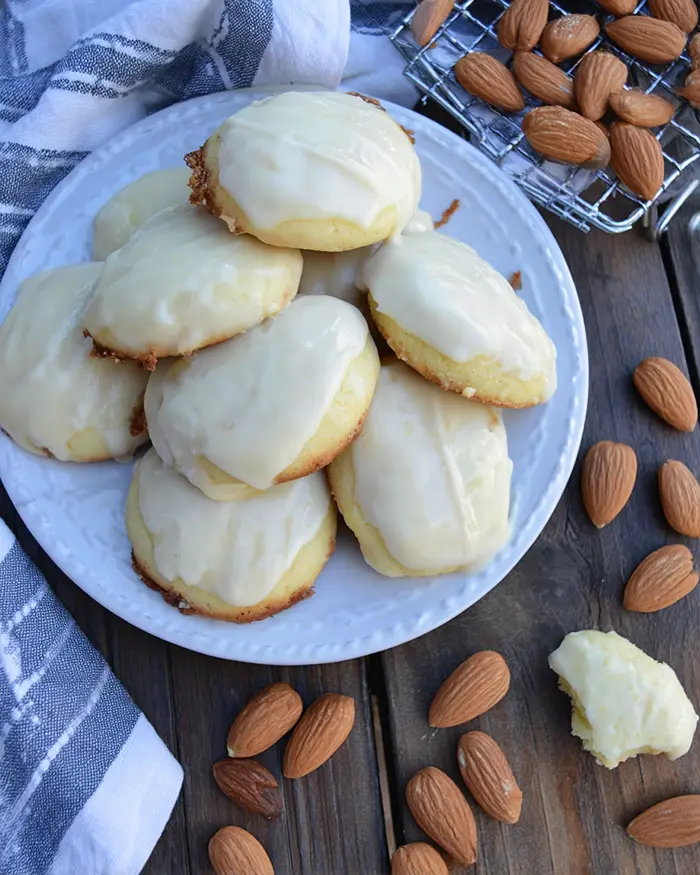

Soft Italian Ricotta Almond Cookies
Equipment
- baking sheets
- medium mixing bowl
- Cookie scoop
Ingredients
Cookie Dough
- 2 cups all-purpose flour
- 2 teaspoons baking powder
- ½ teaspoon salt
- 1 cup granulated sugar
- ½ cup unsalted butter, softened one stick
- 1 cup ricotta cheese whole milk works best
- 1 large egg
- 1 teaspoon almond extract
Almond Glaze
- 1 cup powdered sugar
- 2 tablespoons milk
- ½ teaspoon almond extract
- as needed sliced almonds for decorating
Instructions
- Line your baking sheet with parchment paper or a silicone mat and set it aside.
- Grab a medium bowl and whisk together the all-purpose flour, baking powder, and salt until evenly distributed. Set this aside.
- In your large bowl, use an electric mixer on medium-high speed to cream the granulated sugar and softened butter together for about two minutes. You’re looking for a light, fluffy mixture that’s pale yellow with no butter chunks visible.
- Beat in the ricotta cheese, egg, and one teaspoon of almond extract, mixing until everything is fully combined and smooth. The mixture might look slightly curdled at first—that’s totally normal.
- Add your flour mixture to the wet ingredients and mix on low speed until just combined. Don’t overmix or you’ll develop too much gluten.
- Cover your bowl with plastic wrap and refrigerate the cookie dough for at least two hours, or up to two days. This chilling step is crucial for the cookies to hold their shape while baking.
- When you’re ready to bake, preheat your oven to 350°F. Remove the chilled dough from the refrigerator and use a cookie scoop to portion out balls of dough. Roll each portion between your palms to create smooth balls, then place them on your prepared baking sheet with about two inches between each cookie.
- Bake for 12 to 14 minutes, until the bottoms just start to turn golden brown. The tops won’t change color much—resist the urge to overbake.
- Let the cookies cool on the baking sheet for five minutes, then transfer them to a wire rack to cool completely before glazing.
- For the almond glaze, whisk together the powdered sugar, milk, and half teaspoon of almond extract in a small bowl until smooth. Hold each cooled cookie upside down and dip the top into the glaze, letting excess drip off. Return to the wire rack and immediately sprinkle with sliced almonds if using. Let the glaze set completely, about 30 minutes.
Notes
Nutrition
What You’ll Need for Italian Ricotta Almond Cookies
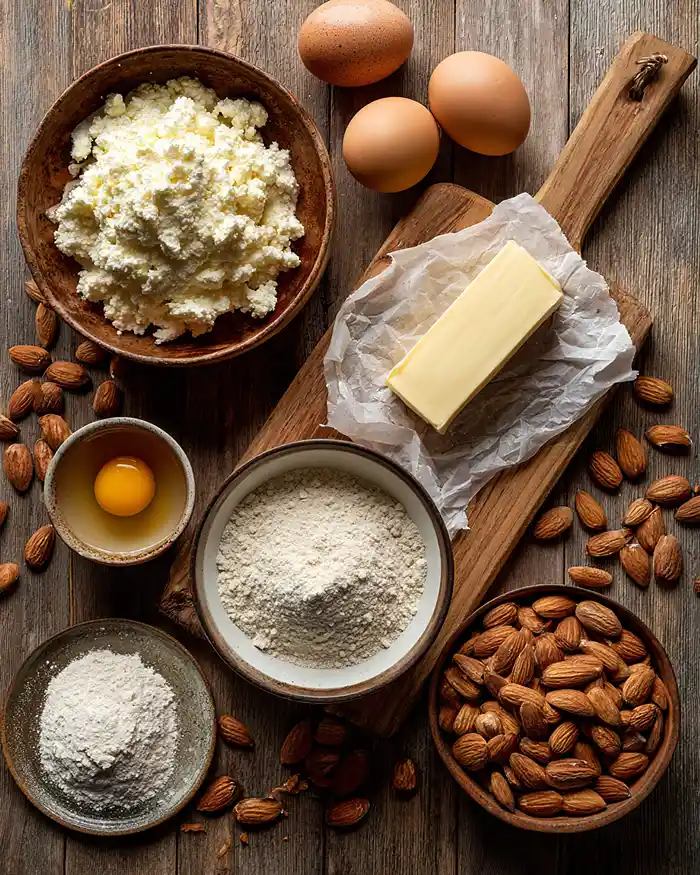
This almond ricotta cookies recipe uses simple ingredients you probably have on hand already. The ricotta is really the star here—it creates that signature soft texture that makes these cookies so special.
| Amount | Ingredient |
|---|---|
| 2 cups | all-purpose flour |
| 2 teaspoons | baking powder |
| ½ teaspoon | salt |
| 1 cup | granulated sugar |
| ½ cup | unsalted butter, softened (one stick) |
| 1 cup | ricotta cheese (whole milk works best!) |
| 1 large | egg |
| 1 teaspoon | almond extract |
| For the Almond Glaze: | |
| 1 cup | powdered sugar |
| 2 tablespoons | milk |
| ½ teaspoon | almond extract |
| as needed | sliced almonds for decorating |
I always use whole milk ricotta because part-skim can make the cookies slightly denser. And please don’t skip the almond extract—it’s what gives these their distinctive Italian bakery flavor.
Essential Equipment
You’ll need:
- Baking sheets (two make rotating easier)
- Parchment paper or silicone baking mats
- Electric mixer (hand or stand)
- Medium and large mixing bowls
- Cookie scoop (makes uniform cookies)
- Wire cooling rack
Nice to have:
- Offset spatula for glazing
- Small whisk for the glaze
How to Make Ricotta Almond Cookies Step by Step
Making ricotta almond cookies is wonderfully straightforward—just mix, chill, scoop, and bake. The dough comes together in about ten minutes, though you’ll need to plan for chilling time.
1. Line your baking sheet with parchment paper or a silicone mat and set it aside. Trust me, these cookies can stick without it.
2. Grab a medium bowl and whisk together the all-purpose flour, baking powder, and salt until evenly distributed. Set this aside—you’ll add it to the wet ingredients in a bit.
3. In your large bowl, use an electric mixer on medium-high speed to cream the granulated sugar and softened butter together for about two minutes. You’re looking for a light, fluffy mixture that’s pale yellow with no butter chunks visible. This creaming process incorporates air, which helps create that tender texture.
4. Beat in the ricotta cheese, egg, and one teaspoon of almond extract, mixing until everything is fully combined and smooth. The mixture might look slightly curdled at first—that’s totally normal and it’ll come together.
5. Add your flour mixture to the wet ingredients and mix on low speed until just combined. Don’t overmix here or you’ll develop too much gluten, making the cookies tough instead of tender. A few small flour streaks are fine.
6. Cover your bowl with plastic wrap and refrigerate the cookie dough for at least two hours, or up to two days. This chilling step is crucial—it firms up the butter, making the dough easier to scoop and helping the cookies hold their shape while baking. Warm dough spreads too much and creates flat, crispy cookies instead of soft, puffy ones.
7. When you’re ready to bake, preheat your oven to 350°F. Remove the chilled dough from the refrigerator and use a cookie scoop (or tablespoon) to portion out balls of dough. Roll each portion between your palms to create smooth balls, then place them on your prepared baking sheet with about two inches between each cookie.
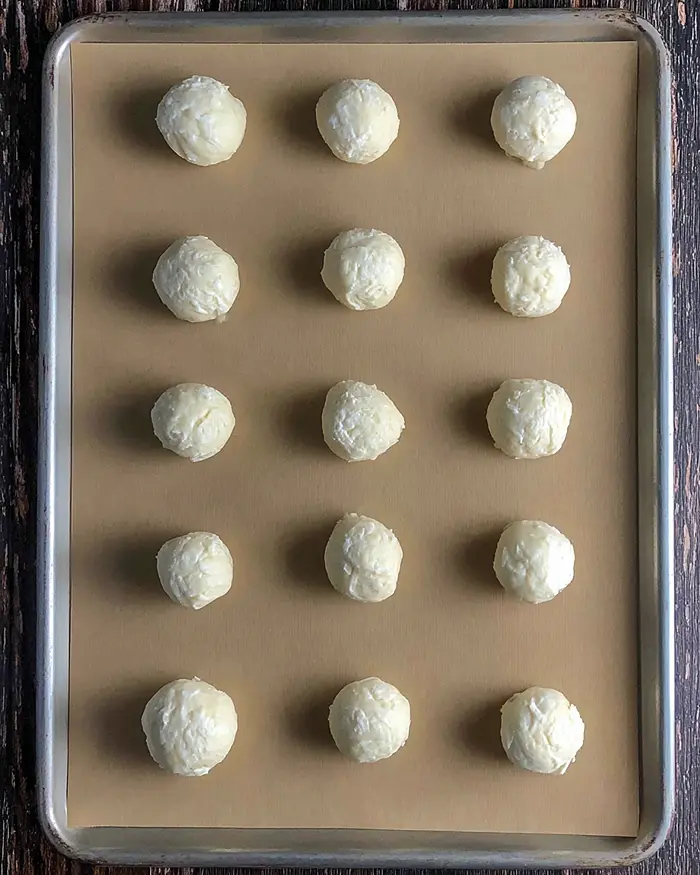
8. Bake for 12 to 14 minutes, until the bottoms just start to turn golden brown. The tops won’t change color much, which can trick you into thinking they’re underdone—resist the urge to overbake. They’ll look pale and soft, and that’s exactly right.
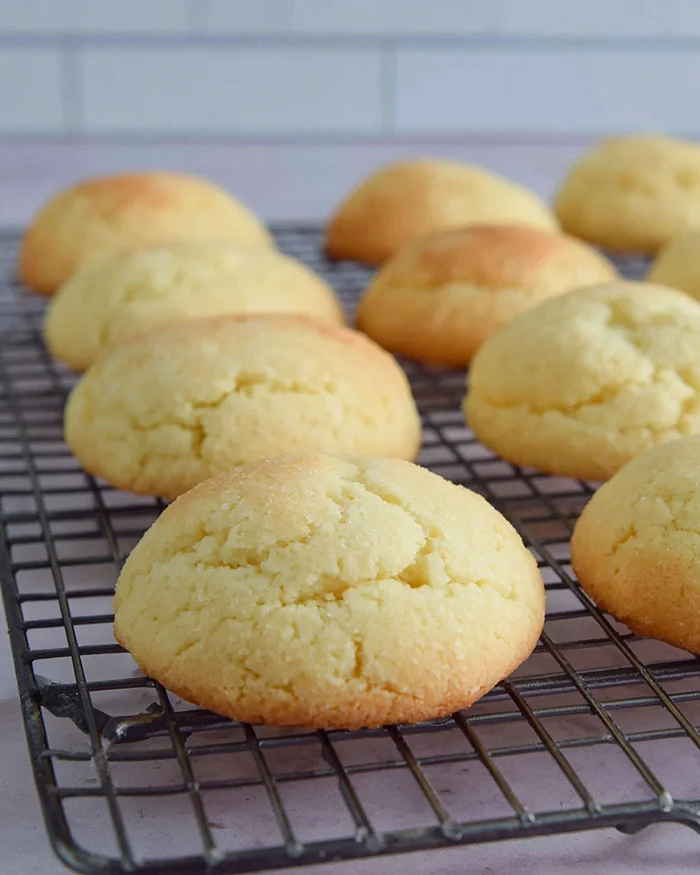
9. Let the cookies cool on the baking sheet for five minutes (they’re too delicate to move right away), then transfer them to a wire rack to cool completely before glazing.
10. For the almond glaze, whisk together the powdered sugar, milk, and half teaspoon of almond extract in a small bowl until smooth and slightly thick. Hold each cooled cookie upside down and dip the top into the glaze, letting excess drip off. Return to the wire rack and immediately sprinkle with sliced almonds if you’re using them. Let the glaze set completely, about 30 minutes.
Pro Tips for Perfect Soft Ricotta Almond Cookies
Italian ricotta almond cookies are forgiving, but these tips will take yours from good to spectacular.
Room-temperature ingredients incorporate more evenly, creating a stable emulsion that results in uniform texture throughout your cookies. This is why professional bakers temper eggs and butter—a temperature difference greater than 10°C can cause the batter to break, resulting in a grainy texture, according to Serious Eats’ guide to cookie science.
Don’t skip the chilling time. I know it’s tempting when you want cookies NOW, but warm dough spreads too thin during baking. Chilled dough creates those beautiful, thick, bakery-style cookies. If you’re really in a rush, 90 minutes is the absolute minimum.
Use a cookie scoop for uniform sizes. They’ll bake evenly, look professional, and you won’t end up with some burnt and some underdone. I use a tablespoon-sized scoop and get exactly three dozen cookies every time.
The glaze should be thick enough to coat the back of a spoon but still drip slowly. Too thin and it’ll run right off. Too thick and it won’t spread smoothly. Add milk a few drops at a time if you need to adjust consistency.
These cookies taste even better the next day after the flavors have melded. Store them in an airtight container and the glaze will soften slightly while the cookie stays tender.
What If Things Go Wrong? Quick Fixes
Why is my cookie dough too sticky to handle? Your ricotta might have been extra wet, or your kitchen might be warm. Pop the dough back in the fridge for another 30 minutes, or dust your hands with flour while rolling the balls. No worries—the cookies will still taste amazing.
My cookies spread too much and look flat. What happened? The dough probably wasn’t cold enough, or your butter was too soft when you started. Make sure you chill the dough the full two hours, and next time, let your butter sit out for only 30 minutes instead of until it’s super soft.
The glaze is too runny and won’t stay on the cookies. Add more powdered sugar, a tablespoon at a time, until it thickens. You want it pourable but not watery. If it’s too thick, add milk by the quarter-teaspoon.
My cookies came out hard instead of soft. You probably overbaked them slightly. Remember, they won’t look golden on top—just check the bottoms. They continue cooking on the hot pan after you remove them from the oven, so err on the side of underdone.
Can I skip the chilling step if I’m in a hurry? I really don’t recommend it, but if you must, freeze the dough for 30 minutes instead. It’s not quite the same, but it’s better than trying to bake warm dough.
Fun Ways to Switch Up This Recipe
Starting with this classic ricotta almond cookies recipe, you can create all sorts of delicious variations.
Lemon ricotta version: Replace the almond extract with lemon extract and add two teaspoons of lemon zest to the dough. Use lemon juice instead of milk in the glaze. These taste like sunshine.
Chocolate chip addition: Fold in half a cup of mini chocolate chips after adding the flour. The chocolate melts slightly and creates little pockets of gooey goodness.
Orange cranberry twist: Add one tablespoon of orange zest and half a cup of dried cranberries for a festive holiday version. Gorgeous for Christmas cookie platters.
Gluten-free adaptation: For a dedicated gluten-free version with detailed ratios and techniques, explore our gluten-free Italian cookie guide for best results. Substituting flour requires adjusting liquid ratios.
Pistachio topping: Skip the sliced almonds and use chopped pistachios instead. Add a tiny drop of green food coloring to the glaze for that classic Italian pastry look.
How to Serve, Store, and Keep Fresh

Serve these soft ricotta almond cookies with a cappuccino or espresso for the full Italian experience. They’re also wonderful alongside fresh berries and whipped cream for a simple dessert.
Store completely cooled and glazed cookies in an airtight container at room temperature for up to five days. Layer them with parchment paper if you’re stacking to prevent the glaze from sticking together. They actually stay incredibly soft because of the ricotta—I’ve eaten week-old ones (hidden in the back of the container) that were still tender.
You can freeze unglazed cookies for up to three months. Let them thaw at room temperature, then glaze just before serving for that fresh-baked look. The glaze doesn’t freeze well, so always add it after thawing.
Make the Most of Leftovers
Got leftover cookies (though I doubt it)? Here are some creative ways to enjoy every last crumb.
Crumble stale cookies over vanilla ice cream or yogurt for a sweet, almondy topping. The glaze bits add extra sweetness and the cookie pieces provide nice texture.
Use them as a base for a quick tiramisu-style dessert. Layer crumbled cookies with mascarpone and espresso—totally untraditional but delicious.
Turn really stale cookies into a cookie butter spread by processing them in a food processor with a bit of butter and cream until smooth. Spread on toast or use as a filling for sandwich cookies.
Ricotta Almond Cookies FAQs
Can I make these ricotta almond cookies ahead of time for a party?
Absolutely! Bake them up to two days in advance and store in an airtight container. They stay soft and delicious. You can also make the dough up to two days ahead and keep it chilled, then bake fresh the day of your event.
What’s the best substitute for almond extract in this recipe?
Vanilla extract works perfectly if you can’t do almonds or just prefer a different flavor. Use the same amount. Lemon or orange extract are also lovely alternatives that create a totally different but equally delicious cookie.
Why did my ricotta cookies turn out dense instead of light?
Overmixing the dough after adding the flour develops too much gluten, creating dense, tough cookies. Mix just until the flour disappears, even if you see a few streaks. Also make sure your baking powder is fresh—old leavening agents lose effectiveness.
Can I freeze the cookie dough before baking?
Yes! Scoop the dough into balls, freeze them on a baking sheet until solid, then transfer to a freezer bag. Bake directly from frozen, adding two to three extra minutes to the baking time. No thawing needed.
How do I keep the glaze from being too sweet?
Cut the powdered sugar to three-quarters cup and add a tiny pinch of salt to the glaze. This balances the sweetness beautifully. You can also add a squeeze of lemon juice for brightness.
What if I don’t have ricotta cheese on hand?
Full-fat sour cream or mascarpone can work in a pinch, though the flavor will be slightly tangier. For the most authentic Italian ricotta almond cookies texture, ricotta is really worth getting.
Time to Bake Some Magic
These ricotta almond cookies are about to become your go-to recipe when you want something special without tons of effort. The soft, tender texture and sweet almond glaze make them irresistible, and watching them disappear from the cookie jar is basically guaranteed.
I’d love to hear how yours turn out! Drop a comment below with your favorite variation or any clever twists you discovered. And if you snap a photo of your gorgeous glazed cookies, tag us—we love seeing your baking adventures.
Looking for more soft, tender cookies? You’ll adore these buttery pecan snowball cookies next.
Baked with love by Rebeccah Ellene.