Mont Blanc Cake Recipe
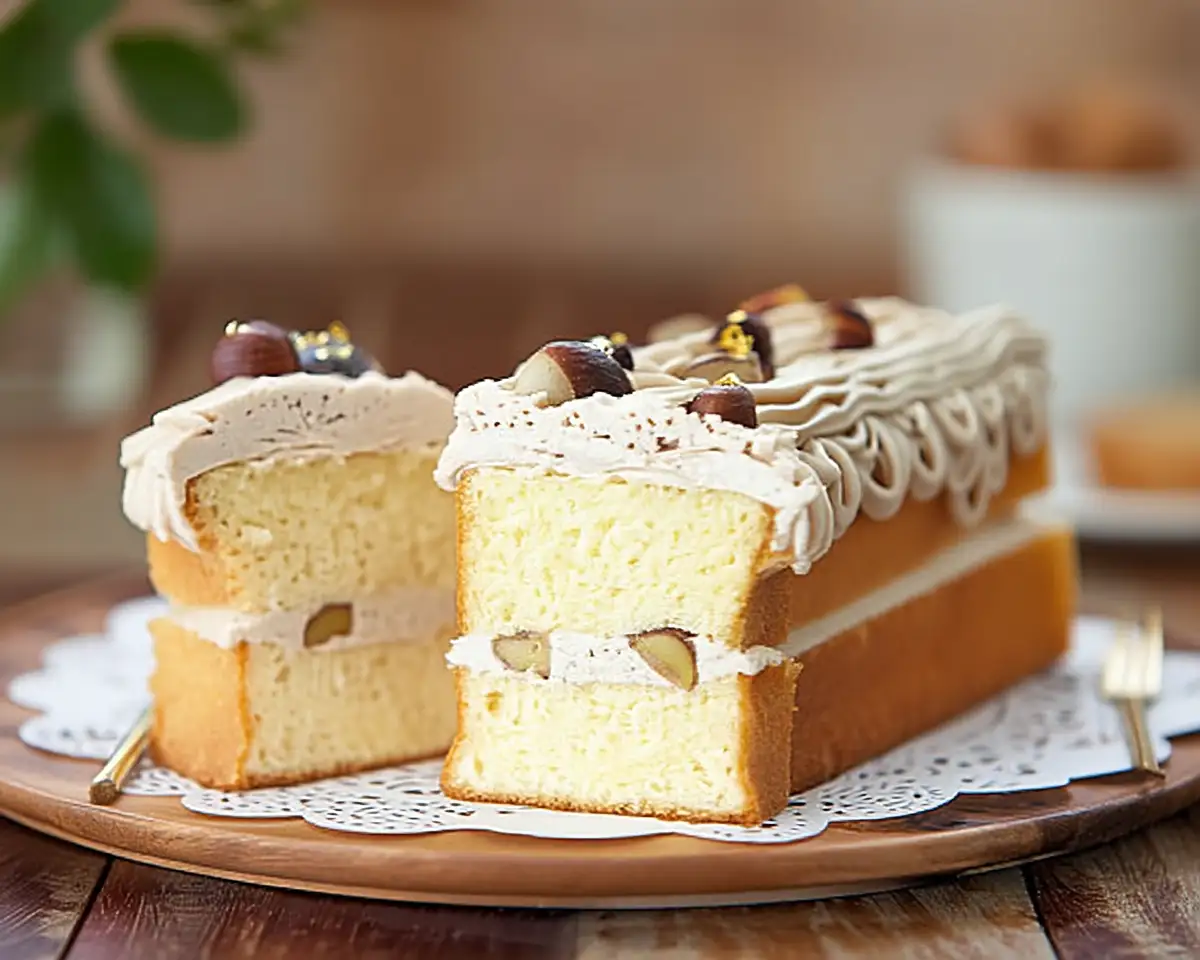
This mont blanc cake recipe delivers Japanese elegance with silky chestnut buttercream, tender sponge, and roasted chestnuts—autumn’s most stunning dessert.
What Makes This Mont Blanc Cake Special?
This mont blanc cake recipe transforms sweet chestnut cream, fluffy vanilla sponge, rum-soaked layers, and whole roasted chestnuts into an elegant Japanese-inspired dessert featuring signature vermicelli-style piped buttercream that captures autumn’s cozy essence in every luxurious bite.
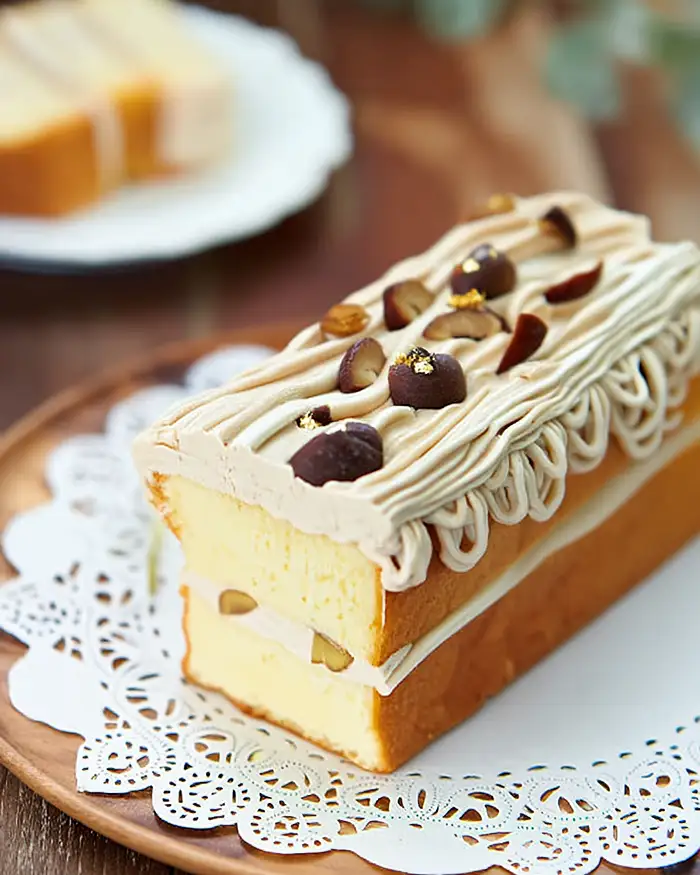
You know those desserts that make you pause mid-bite and just feel things? That’s this mont blanc cake for you. I first encountered this beauty in a tiny Tokyo patisserie, and I’ve been obsessed ever since. The way those delicate chestnut strands cascade over the cake, catching the light with a hint of gold leaf—it’s pure edible art.
If you’re already smitten with elegant European-style cakes, you’ll want to check out our heavenly pistachio raspberry dream cake recipe for another show-stopping creation.
Table of Contents
Why You’ll Love This Mont Blanc Cake Recipe
This mont blanc cake japan style brings patisserie elegance right to your kitchen without requiring professional training. Here’s why it’ll become your new favorite autumn dessert:
It’s surprisingly approachable. Despite its fancy appearance, you’re working with straightforward techniques—a basic sponge, simple syrup, and whipped buttercream. I’ve taught this to beginners who absolutely nailed it on their first try.
The flavor is ridiculously comforting. Chestnuts have this earthy sweetness that’s neither cloying nor bland—just perfectly balanced with a hint of rum warmth. It tastes like a cozy sweater feels.
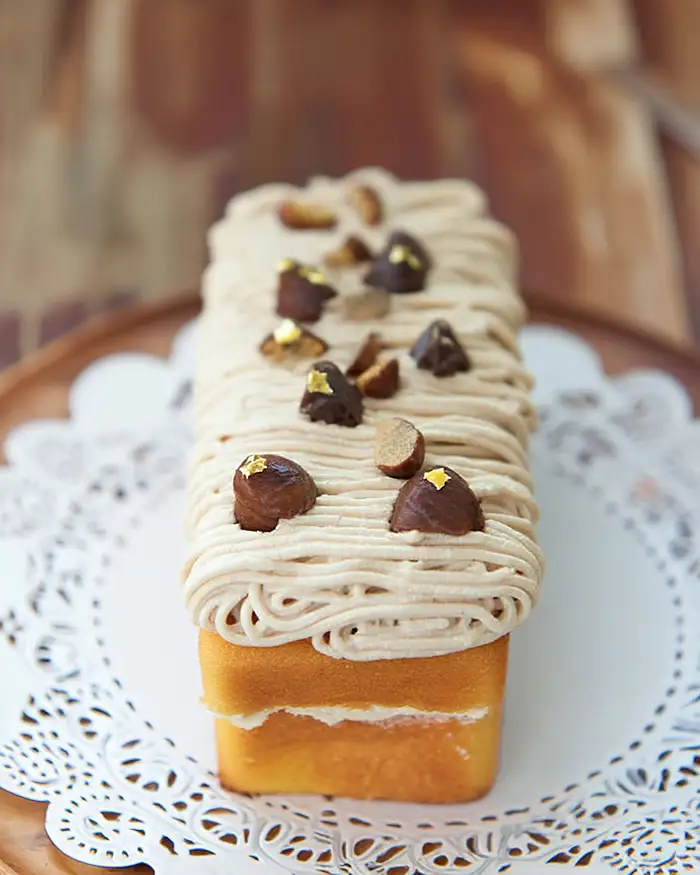
It’s a genuine conversation starter. Trust me, when you pipe those signature mont blanc strands, people will ask how you did it. The Mont Blanc nozzle creates that iconic vermicelli texture that’s instantly recognizable.
Make-ahead friendly saves your sanity. You can bake the sponge a day early, and the assembled cake actually improves after a night in the fridge as flavors meld together.
I learned this technique from studying Japanese pastry methods, and King Arthur Baking has excellent guidance on working with delicate cake batters that helped me perfect the sponge texture.
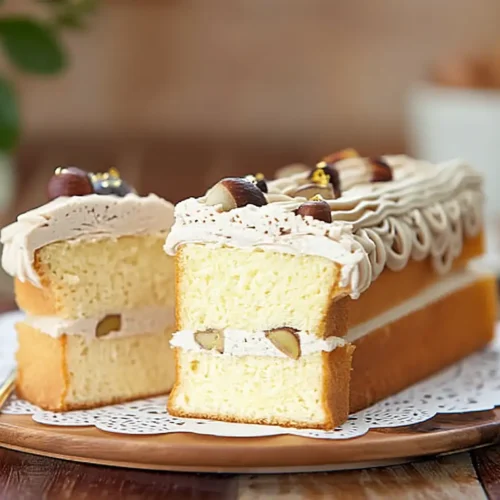
Mont Blanc Cake
Equipment
- 28x8cm loaf pan
- stand mixer or hand mixer
- Mont Blanc nozzle
- Large piping bag
- fine-mesh sieve
- Offset spatula
- Cake leveler
- Turntable
- Kitchen torch
Ingredients
Vanilla Sponge Cake
- 80 g Cake flour Sift twice for ultimate fluffiness
- 2 Eggs Room temperature
- 1 Egg yolk Adds richness and golden color
- 1 pinch Salt
- ½ tsp Vanilla extract Pure extract
- 80 g Granulated sugar
- 50 g Rice bran oil Or neutral vegetable oil
- 20 g Milk Whole milk
Rum Syrup
- 20 ml Water
- 10 g Granulated sugar
- 1 tbsp Rum Dark or light rum
Chestnut Buttercream
- 150 g Chestnut cream Sweetened variety
- 15 g Milk
- 1 tsp Rum
- 250 g Whipping cream Cold from the fridge
- 75 g Unsalted butter Softened, not melted
Assembly & Decoration
- Whole roasted chestnuts Unsweetened variety
- Edible gold leaves Optional
Instructions
- Preheat oven to 180°C (350°F) and line 28x8cm loaf pan with parchment paper, leaving overhang on the sides for easy lifting.
- Sift the cake flour twice and set aside.
- Combine eggs, egg yolk, salt, and vanilla extract in mixer bowl. Beat on medium speed until foamy, about 2 minutes. Gradually add granulated sugar while beating, then increase to medium-high speed and whip for 5-7 minutes until thick, pale, and falls in ribbons that hold their shape for 3 seconds.
- Whisk together rice bran oil and milk in a small bowl until combined.
- Fold about 1 cup of the whipped egg mixture into the oil bowl to temper it.
- Add sifted flour to the main egg bowl in three additions, folding gently with a large spatula by cutting down the center, scraping the bottom, and bringing it up the side. Rotate the bowl as you work and stop as soon as no flour streaks remain.
- Pour the oil-batter blend down the side of the bowl and fold just until combined, about 10-15 strokes. The batter should be glossy and fluid.
- Pour batter into prepared pan and tap firmly on counter 2-3 times to release large air bubbles. Bake for 28-30 minutes until the top springs back when lightly pressed and a toothpick inserted in the center comes out clean.
- Let cake cool in pan for 10 minutes, then lift out using parchment overhang and cool fully on a wire rack.
- For rum syrup: Combine water and granulated sugar in a microwave-safe bowl. Heat at 600W for 20-30 seconds, stirring halfway through, until sugar dissolves completely. Stir in rum and let cool.
- For chestnut buttercream: In mixer bowl, combine chestnut cream, milk, and rum. Beat on medium speed for 1-2 minutes until smooth.
- Add cold whipping cream to the chestnut mixture and beat on medium-high speed until soft peaks form, about 3-4 minutes.
- With mixer running on medium speed, add softened butter in small chunks, letting each piece incorporate before adding the next. Beat until buttercream is thick, fluffy, and holds stiff peaks, about 2-3 minutes total.
- Transfer buttercream to a large piping bag fitted with Mont Blanc vermicelli nozzle.
- Using a serrated knife or cake leveler, carefully cut the cooled sponge into two equal layers horizontally.
- Place one sponge layer on serving plate and brush liberally with half the rum syrup using a pastry brush.
- Pipe vermicelli strands of chestnut buttercream across the entire surface, working from center outward. Hold the bag perpendicular to the cake and apply steady pressure while moving in one direction. Nestle whole roasted chestnuts into the buttercream, spacing evenly.
- Place second sponge layer on top and brush with remaining rum syrup. Pipe another generous layer of chestnut buttercream vermicelli over the top, covering the entire surface.
- Arrange additional whole roasted chestnuts artfully on top. If using edible gold leaf, gently press small pieces onto the chestnuts with a dry brush.
- Refrigerate the assembled cake for at least 2 hours, or ideally overnight, to set the buttercream and let flavors meld.
Notes
Nutrition
Nutritional Peek
Here’s what you’re getting per serving (recipe yields approximately 8 slices):
| Nutrient | Per Serving |
|---|---|
| Calories | 385 kcal |
| Protein | 5g |
| Carbohydrates | 38g |
| Fat | 24g |
Note: Values are approximate and depend on specific brands used.
Ingredients for Your Mont Blanc Cake Japanese Style
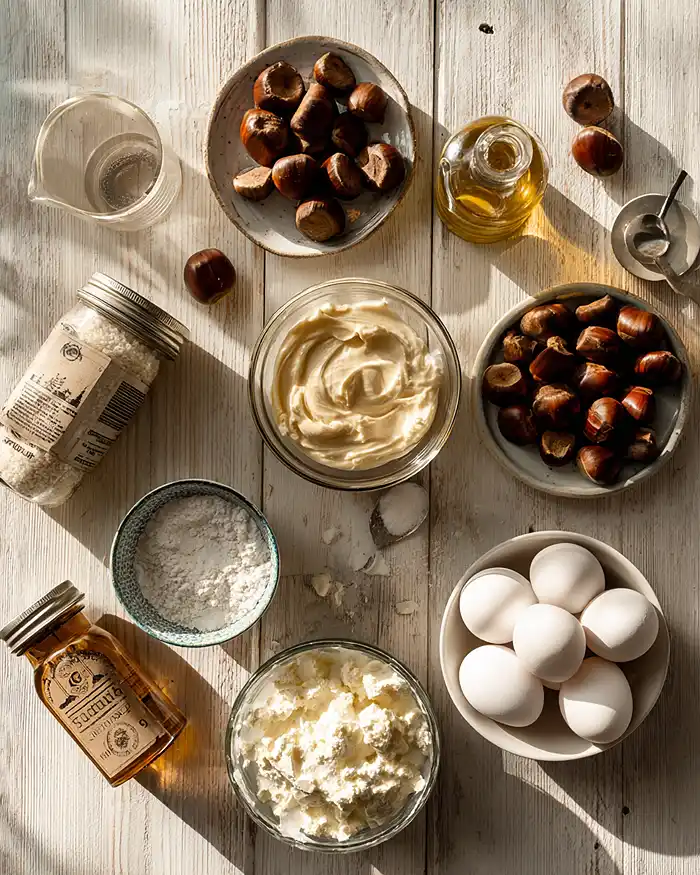
The secret to an authentic mont blanc cake recipe starts with quality chestnut cream—look for the sweetened variety from Japanese or French brands. Here’s everything you’ll need, organized by component:
Vanilla Sponge Cake
| Amount | Ingredient | Notes |
|---|---|---|
| 80g | Cake flour | Sift twice for ultimate fluffiness |
| 2 | Eggs | Room temperature works magic here |
| 1 | Egg yolk | Adds richness and golden color |
| Pinch | Salt | Enhances all the flavors |
| 1/2 tsp | Vanilla extract | Pure extract makes a difference |
| 80g | Granulated sugar | Superfine dissolves faster |
| 50g | Rice bran oil | Or use neutral vegetable oil |
| 20g | Milk | Whole milk adds tenderness |
Rum Syrup
| Amount | Ingredient | Notes |
|---|---|---|
| 20ml | Water | Simple but essential |
| 10g | Granulated sugar | Sweetens and moistens |
| 1 tbsp | Rum | Dark rum gives depth; light works too |
Chestnut Buttercream
| Amount | Ingredient | Notes |
|---|---|---|
| 150g | Chestnut cream | The star ingredient—don’t skimp! |
| 15g | Milk | Loosens the paste |
| 1 tsp | Rum | Echoes the syrup beautifully |
| 250g | Whipping cream | Cold from the fridge |
| 75g | Unsalted butter | Softened, not melted |
For Assembly & Decoration
| Amount | Ingredient | Notes |
|---|---|---|
| As needed | Whole roasted chestnuts | Unsweetened variety for texture contrast |
| As needed | Edible gold leaves | Optional but stunning for special occasions |
Pro tip: I always grab my chestnut cream from Asian markets where it’s fresher and more affordable. For beautifully layered cake techniques, our fluffy cloud cake recipe shares similar assembly methods.
Essential Equipment
You’ll need these tools to create mont blanc magic:
Must-Haves:
- 28x8cm loaf pan (or similar rectangular pan)
- Stand mixer or hand mixer
- Mont Blanc nozzle (the special vermicelli tip—this is non-negotiable for that signature look!)
- Large piping bag
- Fine-mesh sieve
- Offset spatula
- Parchment paper
Nice-to-Haves:
- Cake leveler for perfectly even layers
- Turntable for easier decorating
- Small kitchen torch for warming the pan edges (helps release the cake)
Step-by-Step Instructions for Perfect Mont Blanc Cake
Let’s build this mont blanc cake recipe layer by delicious layer. Take your time—this isn’t a race, and your patience will show in the final result.
Making the Vanilla Sponge
- Prep your workspace and preheat. Set your oven to 180°C (350°F) and line your 28x8cm loaf pan with parchment paper, leaving overhang on the sides for easy lifting. I always crease the corners sharply so the paper sits flat.
- Sift the cake flour twice. This might feel fussy, but it incorporates air and removes lumps, creating that cloud-like texture. Set it aside where you can grab it quickly.
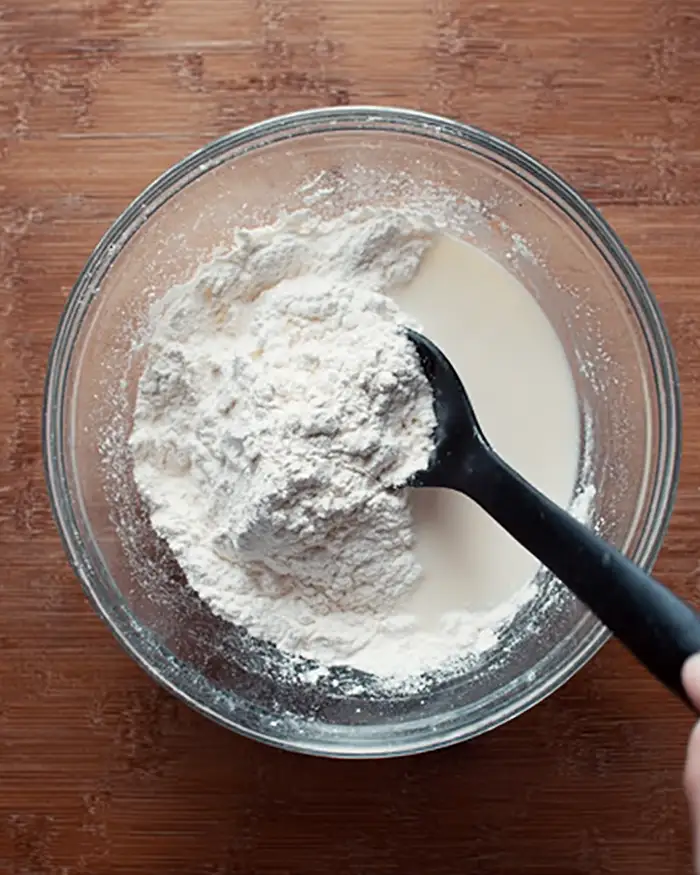
- Whip the egg mixture to ribbon stage. Combine eggs, egg yolk, salt, and vanilla extract in your mixer bowl. Beat on medium speed until foamy and light, about 2 minutes. Gradually add the granulated sugar while beating, then increase to medium-high speed and whip for 5-7 minutes until the mixture is thick, pale, and falls in ribbons that hold their shape for 3 seconds (this is crucial—underwhipped eggs mean a dense cake).
- Prepare your oil mixture while eggs whip. Whisk together the rice bran oil and milk in a small bowl until combined. The oil adds moisture without weighing down the delicate crumb.
- Temper the oil mixture. This step prevents deflating your precious foam! Fold about 1 cup of the whipped egg mixture into the oil bowl using a spatula, cutting through the center and folding over. This lightens the heavy oil so it incorporates smoothly.
- Fold in the flour gently but confidently. Add the sifted flour to the main egg bowl in three additions, folding with a large spatula by cutting down the center, scraping the bottom, and bringing it up the side. Rotate the bowl as you work and stop as soon as no flour streaks remain (overmixing develops gluten and creates a tough, chewy texture instead of tender softness).
- Incorporate the tempered oil mixture. Pour your oil-batter blend down the side of the bowl and fold just until combined, about 10-15 strokes. The batter should be glossy and fluid.
- Pour and bake to golden perfection. Transfer batter to your prepared pan and tap it firmly on the counter 2-3 times to release large air bubbles. Bake for 28-30 minutes until the top springs back when lightly pressed and a toothpick inserted in the center comes out clean (a few moist crumbs are fine, but raw batter means it needs more time).
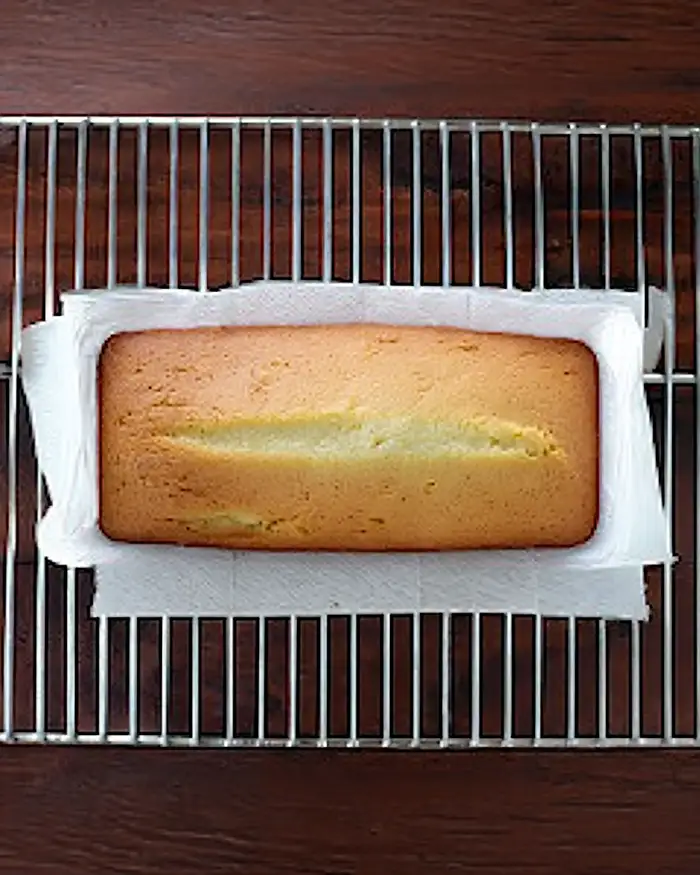
- Cool completely before handling. Let the cake cool in the pan for 10 minutes, then lift it out using the parchment overhang and cool fully on a wire rack. Rushing this step causes the cake to compress and become gummy.
Creating the Rum Syrup
- Dissolve sugar in hot water. Combine water and granulated sugar in a microwave-safe bowl. Heat at 600W for 20-30 seconds, stirring halfway through, until the sugar completely dissolves and the mixture is steaming hot.
- Add rum for depth. Pour the rum into the hot syrup and stir well. The heat helps the alcohol’s aromatics bloom without burning off completely. Let this cool while you work on the buttercream.
Whipping Up Chestnut Buttercream
- Blend the chestnut base. In your mixer bowl, combine chestnut cream, milk, and rum. Beat on medium speed for 1-2 minutes until the mixture loosens and becomes smooth. Taste it—this is your flavor foundation, and it should be dreamy already.
- Whip in the cream. Add the cold whipping cream to the chestnut mixture and beat on medium-high speed until soft peaks form, about 3-4 minutes. Watch carefully—you want it thick enough to hold its shape but still smooth (overwhipped cream becomes grainy and breaks).
- Incorporate softened butter gradually. With the mixer running on medium speed, add the softened butter in small chunks, letting each piece incorporate before adding the next. Beat until the buttercream is thick, fluffy, and holds stiff peaks, about 2-3 minutes total. The butter should be soft enough to blend smoothly but not melted, or you’ll get a soupy mess.
- Fill your piping bag with your Mont Blanc nozzle attached. Transfer the buttercream to a large piping bag fitted with the special Mont Blanc vermicelli nozzle. This creates those signature thin strands that define the cake’s elegant appearance.
Assembling Your Masterpiece
- Slice the sponge horizontally. Using a serrated knife or cake leveler, carefully cut the cooled sponge into two equal layers. If your cake domed slightly, trim the top for even layers (save the scraps for snacking—baker’s privilege!).
- Brush with rum syrup generously. Place one sponge layer on your serving plate and brush it liberally with half the rum syrup using a pastry brush. The cake should feel moist but not soggy—you want flavor infusion, not a puddle.
- Pipe the first layer of chestnut buttercream. Working from the center outward, pipe vermicelli strands across the entire surface by holding the bag perpendicular to the cake and applying steady pressure while moving in one direction. Nestle whole roasted chestnuts into the buttercream, spacing them evenly for texture contrast in each slice.
- Add the second layer and repeat. Place the second sponge layer on top and brush with the remaining rum syrup. Pipe another generous layer of chestnut buttercream vermicelli over the top, covering the entire surface with those gorgeous strands.
- Finish with chestnuts and gold. Arrange additional whole roasted chestnuts artfully on top—I like clustering them on one end for visual interest. If you’re using edible gold leaf, gently press small pieces onto the chestnuts with a dry brush (the gold clings to the natural oils).
- Chill before serving. Refrigerate the assembled cake for at least 2 hours, or ideally overnight. This sets the buttercream, lets the flavors meld, and makes slicing cleaner.
Pro Tips & Guidance for Mont Blanc Success
Your mont blanc cake japan masterpiece deserves these hard-earned tips from my years of testing.
Room temperature eggs are non-negotiable. Cold eggs don’t whip to the same volume because the proteins don’t unfold and trap air as efficiently. Set them out 30-60 minutes before baking, or place them in warm water for 5 minutes.
According to Serious Eats’ research on cake science, temperature differences greater than 10°C can prevent proper emulsification, resulting in dense texture instead of airy lightness.
The Mont Blanc nozzle makes or breaks the aesthetic. You really can’t fake those fine vermicelli strands with a regular star tip. I ordered mine online from a baking supply store, and it’s become one of my most treasured tools. The authentic look is absolutely worth the small investment.
Fold, don’t stir, when incorporating flour. This isn’t me being precious—it’s science. Stirring develops gluten strands that make cakes tough and chewy, while folding gently preserves the air bubbles you worked so hard to create. Use confident, sweeping motions rather than timid poking.
Quality chestnut cream transforms the entire dessert. I’ve tried bargain brands and premium imports, and the difference is remarkable. Look for French or Japanese varieties with minimal added ingredients—you want pure chestnut flavor, not artificial sweetness or weird fillers.
Chill your mixing bowl for the whipped cream. Fifteen minutes in the freezer before whipping helps cream reach stiff peaks faster and more reliably, especially in warm weather. I learned this trick from America’s Test Kitchen, and it’s saved many a buttercream.
Troubleshooting Guide: Mont Blanc Questions Answered
Why did my sponge cake turn out dense instead of fluffy?
Your eggs probably weren’t whipped long enough to reach ribbon stage, or you overmixed when adding the flour. Next time, beat eggs until they’re thick and pale (this takes a full 5-7 minutes), and fold the flour just until combined. Undermixing is always better than overmixing here.
What if my buttercream is too soft to pipe properly?
Pop the entire bowl in the fridge for 15-20 minutes to firm it up, then give it a quick re-whip before piping. The butter may have been too warm initially, or your kitchen might be hot—cold tools and ingredients are your friends with buttercream.
Can I make this without the Mont Blanc nozzle?
Technically yes, but you’ll lose that signature vermicelli texture that makes mont blanc cakes so recognizable. A small star tip creates rosettes or shells instead, which look pretty but aren’t authentic. I’d really encourage investing in the proper nozzle—it’s under $10 and worth every penny.
Why is my rum syrup not soaking into the cake?
The syrup might have cooled too much and thickened, or you’re not applying enough. The syrup should be barely warm and thin enough to brush on easily. Also, use a proper pastry brush and really saturate the sponge—don’t be shy! It should glisten but not puddle.
My chestnut buttercream tastes too sweet—help?
Add a tiny pinch of salt or an extra teaspoon of rum to balance the sweetness. Some chestnut cream brands are sweeter than others, so taste as you go. You can also fold in an extra tablespoon or two of whipped cream to dilute the intensity.
Variations & Twists on Classic Mont Blanc Cake
This mont blanc cake recipe loves creative interpretation while staying true to its elegant roots.
Go seasonal with pumpkin spice. Replace half the chestnut cream with pumpkin puree and add 1/2 teaspoon each of cinnamon, nutmeg, and ginger to the buttercream. It’s autumn in a different, equally cozy package.
Try a chocolate lover’s version. Add 2 tablespoons of cocoa powder to the sponge cake batter and swap half the chestnut buttercream for chocolate ganache. The earthy chestnut and rich chocolate create sophisticated harmony.
Make mini individual portions. Bake the batter in muffin tins for 15-18 minutes, then split each mini cake and layer with buttercream. They’re perfect for parties and portion control (though I always eat two).
Experiment with different nuts. While traditional mont blanc uses chestnuts, I’ve made gorgeous versions with hazelnut cream or even pistachio paste. Each brings its own personality while maintaining that elegant piped aesthetic.
For a completely different but equally stunning piping technique, explore our best chocolate ganache technique for another showstopper.
Serving, Storage & Reheating Your Mont Blanc Cake
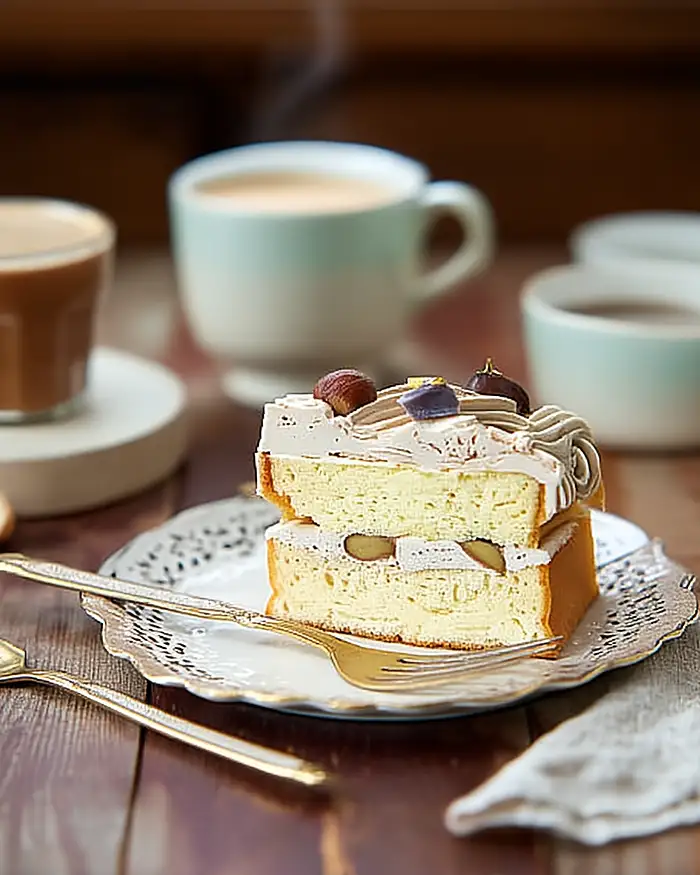
Serving this beauty: Let the mont blanc cake sit at room temperature for 15-20 minutes before slicing—this softens the buttercream slightly for the creamiest texture. Use a sharp, thin knife wiped clean between cuts for pristine slices. A small offset spatula helps transfer slices to plates without smudging that gorgeous piped exterior.
Storage secrets: Keep leftover mont blanc cake refrigerated in an airtight container for up to 4 days. The buttercream firms up in the fridge, so remember that room temperature rest before serving. I like to cover mine with a cake dome to protect those delicate strands from fridge odors.
Freezing for later: You can absolutely freeze this cake! Wrap individual slices tightly in plastic wrap, then foil, and freeze for up to 2 months. Thaw overnight in the fridge, then bring to room temperature before serving. The texture holds up remarkably well—I’ve done this for unexpected guests with great success.
No-Waste Kitchen Magic
Save those sponge scraps. Any trimmed dome or uneven edges make excellent trifle layers. Cube them, layer with the leftover chestnut buttercream and fresh whipped cream in glasses, and you’ve got instant individual desserts.
Leftover chestnut buttercream becomes frosting. If you’ve got extra buttercream (lucky you!), it keeps in the fridge for a week. Use it to frost cupcakes, sandwich between cookies, or just eat it by the spoonful with fresh fruit—I won’t judge.
Repurpose whole roasted chestnuts. Any unused chestnuts can be chopped and folded into your morning oatmeal, tossed into fall salads, or pureed into soup for depth. They’re too precious to waste!
FAQs About Mont Blanc Cake
Can I make this mont blanc cake recipe ahead of time?
Absolutely! In fact, I prefer making it a day ahead. Bake the sponge up to 2 days early and wrap it tightly in plastic wrap. Assemble the complete cake up to 24 hours before serving and refrigerate. The flavors deepen and meld beautifully overnight, creating even better results than same-day assembly.
What’s the best substitute for chestnut cream in mont blanc cake?
Sweet potato puree mixed with honey and a touch of vanilla creates a surprisingly similar earthy sweetness, though the flavor will be distinctly different. For nut-free versions, try sunflower seed butter mixed with maple syrup. Neither will taste exactly like chestnuts, but they maintain that creamy, naturally sweet profile.
Where can I buy a Mont Blanc nozzle for this cake?
Look for Mont Blanc or vermicelli nozzles at specialty baking supply stores, online retailers like Amazon, or directly from professional baking equipment suppliers. They’re sometimes labeled as “spaghetti tips” or numbered piping tips (often #230 or #234). Expect to pay $8-15 for a quality stainless steel version.
Why did my mont blanc cake layers slide apart when slicing?
The buttercream wasn’t chilled enough to set properly, or there wasn’t enough buttercream between layers to act as glue. Make sure you refrigerate the assembled cake for at least 2 hours, and pipe a generous layer—don’t be stingy! The buttercream should create a solid 1/2-inch layer between sponges.
Can I use store-bought sponge cake for this recipe?
You can, though homemade makes a difference in texture and flavor. If you’re short on time, look for plain vanilla sponge or genoise at bakeries rather than grocery store cake—the texture will be closer to authentic. Brush it liberally with the rum syrup to add moisture and character.
How do I get those perfect vermicelli strands when piping?
Hold your piping bag perpendicular to the cake surface with steady, even pressure. Move in one continuous direction rather than back-and-forth motions. Practice on parchment paper first if you’re nervous—the technique clicks quickly once you find your rhythm. The key is confidence, not perfection!
Time to Taste Autumn’s Most Elegant Dessert
There you have it—your complete guide to creating a stunning mont blanc cake that rivals any Japanese patisserie. This recipe might seem intricate at first glance, but I promise each component is entirely manageable, and the final result is so worth the effort.
I’d love to see your mont blanc creations! Share your photos in the comments below, and tell me if you tried any of the variations. Did you go classic or add your own twist? And if you’re feeling inspired by elegant layered cakes, don’t miss our fluffy cloud cake recipe guide for another show-stopping dessert.
Baked with love by Rebeccah Ellene.