Kunafa Cheesecake
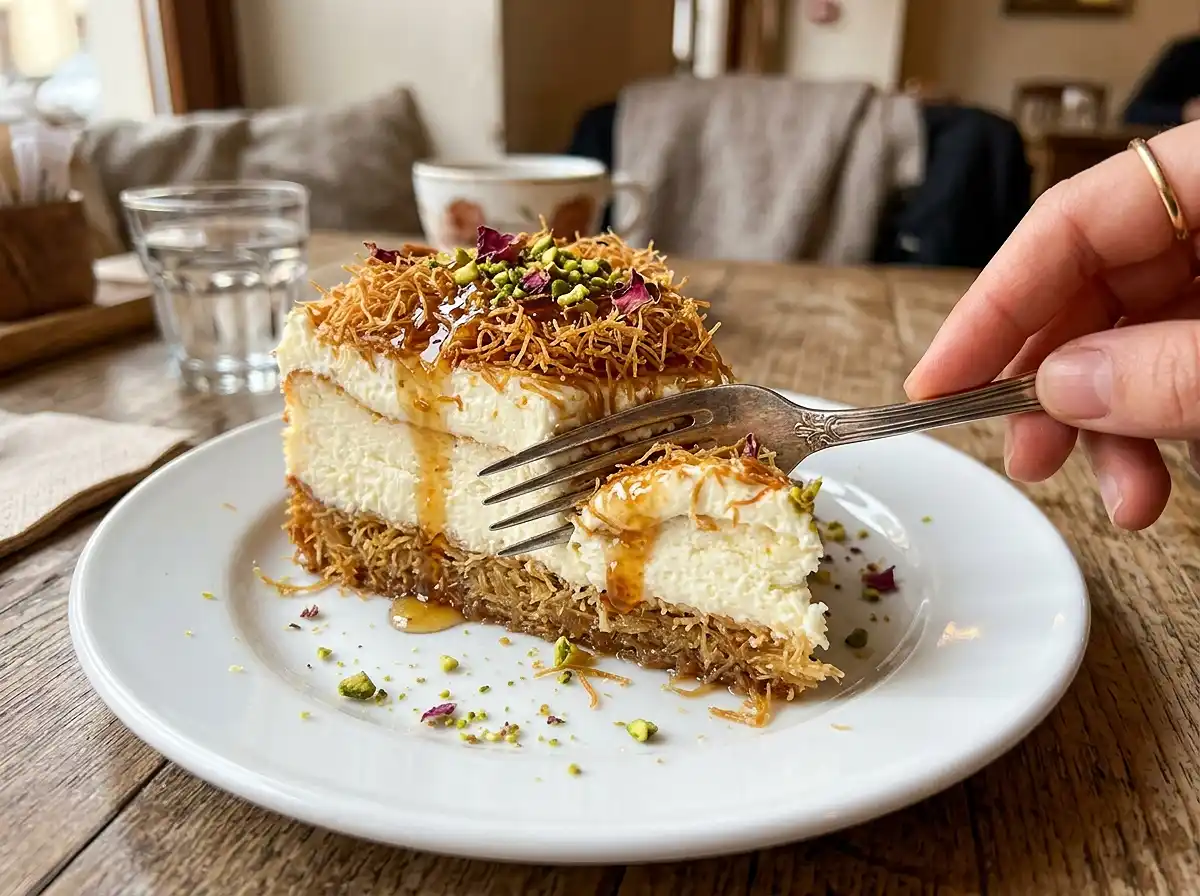
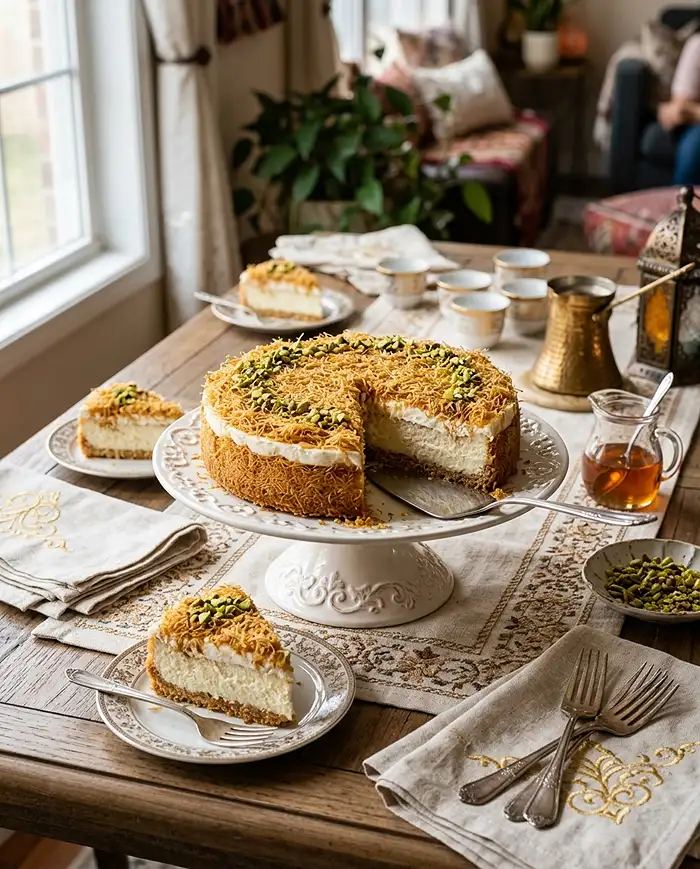
This kunafa cheesecake layers creamy New York-style filling over crispy kataifi pastry soaked in syrup and topped with keshta cream. Absolutely irresistible!
What Is Kunafa Cheesecake?
This kunafa cheesecake brings together the best of two dessert worlds—a velvety, tangy New York-style cheesecake made with cream cheese, sour cream, and eggs, layered over a buttery, syrup-soaked kataifi pastry base that shatters with every bite.
Topped with luscious keshta cream, crispy roasted kataifi threads, and a final drizzle of aromatic sugar syrup, this showstopper delivers creamy richness, honeyed sweetness, and that unmistakable crunch that makes traditional kunafa so beloved.
I’ll never forget the first time I saw this dessert at a friend’s iftar gathering—a towering slice that somehow managed to be both comforting and utterly glamorous. The way the golden kataifi caught the light while that creamy cheesecake practically glowed with richness? I knew I had to recreate it.
This recipe takes everything we love about traditional knafeh and elevates it with a proper baked cheesecake layer. It’s a labor of love, but worth every single step. If you’re as obsessed with kataifi pastry as I am, check out our guide to 5 creative ways to use kataifi pastry.
Table of Contents
Why You’ll Love This Knafeh Cheesecake
This knafeh cheesecake is the kind of dessert that makes everyone at the table go silent—in the best way. Here’s why it’s become my go-to for special occasions.
The texture combination is absolutely unreal. You get that shatteringly crispy base soaked in sweet syrup, a layer of impossibly creamy cheesecake, and then the whole thing is crowned with silky keshta cream and more crispy kataifi. Every bite is a journey.
The make-ahead factor is a lifesaver for entertaining. The cheesecake layer actually needs to freeze completely before assembly, which means you can tackle this in stages over a couple of days without losing your mind. I’ve learned from King Arthur Baking’s extensive testing that the water bath method is essential for a crack-free cheesecake—it really does work.
This dessert also travels beautifully since the components stay separate until final assembly. Perfect for potlucks, dinner parties, or impressing the in-laws.
For another spectacular fusion dessert, explore our viral Dubai chocolate pistachio kataifi cake.
Nutritional Peek
| Per Serving (8 servings) | Amount |
|---|---|
| Calories | ~620 |
| Protein | 10g |
| Carbohydrates | 52g |
| Fat | 42g |
Note: Values are approximate and may vary based on specific ingredients used.
Ingredients for Pistachio Kunafa Cheesecake
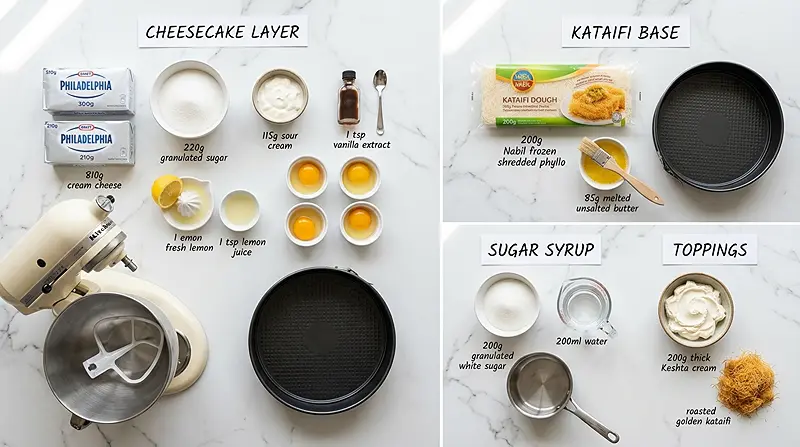
For this pistachio kunafa cheesecake, you’ll need four components: the cheesecake filling, sugar syrup, kataifi base, and toppings. Don’t worry—each part is straightforward, and you can prep them over multiple days.
Cheesecake Layer
| Amount | Ingredient | Notes |
|---|---|---|
| 810 g | Cream cheese | Must be room temperature for smooth mixing |
| 220 g | Granulated sugar | |
| 115 g | Sour cream | Adds tang and moisture |
| 1 tsp | Lemon juice | Fresh is best |
| 1 tsp | Vanilla extract | Pure, not imitation |
| 4 | Eggs | Room temperature |
Sugar Syrup
| Amount | Ingredient | Notes |
|---|---|---|
| 200 g | Granulated white sugar | |
| 200 ml | Water | |
| Optional | Additional flavoring | Rose water or orange blossom water |
Kataifi Base
| Amount | Ingredient | Notes |
|---|---|---|
| 200 g | Kataifi dough | Defrosted until soft and pliable |
| 85 g | Unsalted butter, melted |
Toppings
| Amount | Ingredient | Notes |
|---|---|---|
| 200 g | Keshta cream | Also called ashta or clotted cream |
For more cheesecake inspiration, see our no-bake Biscoff cheesecake recipe.
Equipment You’ll Need
Essential tools:
- 9-inch springform pan
- Stand mixer or hand mixer
- Large roasting pan for water bath
- Medium saucepan
- Aluminum foil (heavy-duty)
- Parchment paper
- Rubber spatula
- Measuring cup for pressing the base
Optional but helpful:
- Kitchen scale for precise measurements
- Digital thermometer for checking cheesecake doneness
- Offset spatula for spreading cream
How to Make Kunafa Cheesecake: Step-by-Step
Creating this kunafa cheesecake happens in stages, which actually makes the whole process less stressful. Let me walk you through each component.
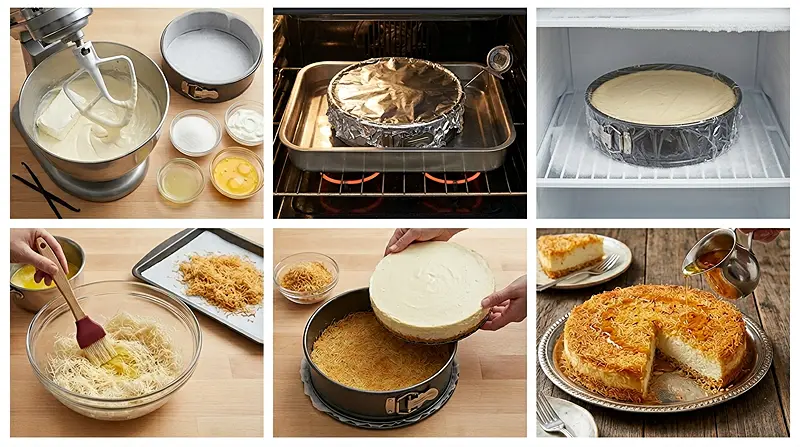
Making the Cheesecake Layer
- Prep your pan and oven. Preheat the oven to 160°C (320°F). Grease your springform pan generously with butter, then line the bottom with parchment paper. Make sure the pan is tightly secured—you definitely don’t want any leaks during the water bath.
- Beat the cream cheese until smooth. Add your room-temperature cream cheese to a stand mixer or large bowl and beat on medium speed until completely soft and smooth with no lumps, about 2-3 minutes. Scrape down the sides as needed.
- Add sugar gradually. Pour in the granulated sugar and beat for another 2-3 minutes until well combined. To check if it’s ready, rub a small amount between your fingers—if you feel grains, keep mixing until the texture is smooth.
- Incorporate the sour cream and flavorings. Add the sour cream, lemon juice, and vanilla extract, beating on medium-low until everything is well combined and the batter is silky.
- Add eggs one at a time. Crack each egg into a small bowl first (to catch any shells), then add them one by one, mixing on low speed until just incorporated before adding the next. This final batter should be completely smooth with no lumps.
- Set up your water bath. Pour the batter into your prepared springform pan. Wrap the outside of the pan tightly with aluminum foil to prevent water from seeping in during baking. Place the pan inside a larger roasting pan and fill the roasting pan with hot water until it reaches halfway up the sides of the springform.
- Bake low and slow. Bake for 50-60 minutes until the edges are firm but the center still has a slight jiggle—like a set custard, not liquid. The water bath creates gentle, even heat that prevents cracking.
- Cool and freeze. Let the cheesecake cool completely in the pan, then cover tightly and freeze until completely solid, about 3-6 hours or overnight. This makes assembly much easier.
Making the Sugar Syrup
- Simmer until thickened. Combine the sugar, water, and any optional flavorings (rose water or orange blossom water are traditional) in a medium saucepan. Bring to a boil over medium-high heat, then reduce to low and simmer for about 10 minutes until the syrup is reduced, thick, and sticky.
- Cool before using. Let the syrup cool to room temperature before drizzling. This syrup can be made up to a week ahead and stored in an airtight container in the fridge.
Creating the Kataifi Base
- Prepare the kataifi dough. Defrost your frozen kataifi until it’s soft and pliable. Place it in a bowl, pour the melted butter over, and toss until every strand is coated and the dough holds together when pressed.
- Reserve some for topping. Set aside a small portion of the buttered kataifi (about a quarter). Toast this portion in a dry pan over medium heat until golden brown and crispy. This will be your crunchy topping—set it aside.
- Form the base. Press the remaining kataifi into the same springform pan you used for the cheesecake (cleaned and dried), creating an even layer across the bottom. Use a measuring cup to flatten and compact it firmly.
- Bake until golden. Bake the base at 160°C (320°F) for 15-20 minutes until beautifully golden-brown and crispy.
- Soak with syrup immediately. While the base is still hot, pour a generous amount of the cooled sugar syrup over it, allowing it to absorb completely. Refrigerate until set, about 1-2 hours.
Assembly
- Layer the components. Place the syrup-soaked kataifi base on your serving plate. Using a spatula, carefully transfer the frozen cheesecake layer on top—the frozen state makes this surprisingly easy.
- Thaw in the fridge. Refrigerate the assembled cheesecake for 3-6 hours until the cheesecake layer has softened to a creamy, sliceable texture.
- Add toppings just before serving. Spread the keshta cream in an even layer over the cheesecake. Top with the crispy roasted kataifi you set aside earlier. Drizzle with sugar syrup right before serving to keep that crunch intact.
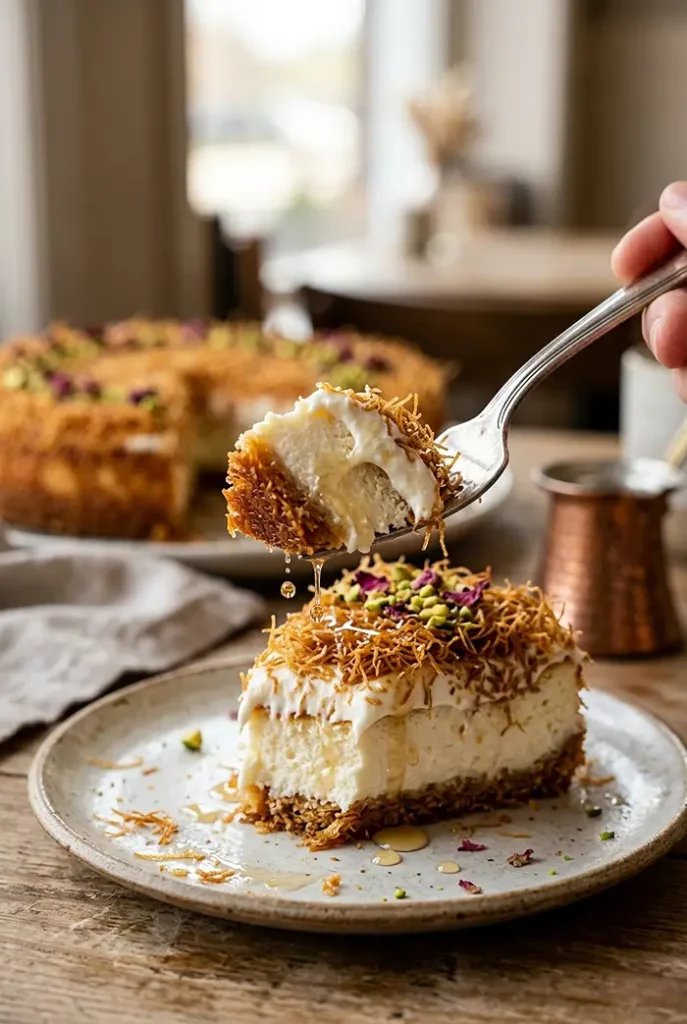
Pro Tips for the Perfect Baked Kunafa Cheesecake
Making a flawless baked kunafa cheesecake requires attention to a few key details I’ve learned through plenty of trial and error.
Don’t overmix your batter. Beating too vigorously incorporates air, which creates a weaker structure prone to cracking and sinking. Mix just until ingredients are combined—no longer.
The water bath is worth the effort. I know it seems fussy, but the water bath creates gentle, even heat that prevents the edges from overbaking while the center catches up. This is your best insurance against cracks.
Timing your syrup drizzle is crucial. Add the final syrup only right before serving. If it sits too long, your crispy kataifi topping will turn soggy and lose that essential crunch contrast.
Troubleshooting Your Kunafa Cheesecake
Why did my cheesecake crack?
Cracking usually means overbaking or cooling too quickly. Next time, use a water bath and let the cheesecake cool gradually in the turned-off oven with the door cracked open. The good news? The keshta cream topping covers any imperfections beautifully.
What if my kataifi base is soggy?
Either it wasn’t baked long enough, or the syrup was added when the base was too cool. The base needs to be hot when you add syrup—the heat helps the strands absorb without becoming mushy. If it’s already soggy, try crisping it briefly under the broiler (watch carefully!).
My cheesecake layer won’t come out of the pan cleanly?
Run a thin knife around the edges before attempting to remove it. Also ensure it’s truly frozen solid—a partially thawed layer will stick and break apart. Lining the bottom with parchment paper also helps immensely.
Why is my cheesecake grainy instead of smooth?
Your cream cheese was likely too cold, or you added too much air by overmixing. Always start with room-temperature ingredients and mix on medium-low speed just until smooth.
Can I use store-bought kataifi dough?
Absolutely—in fact, that’s what this recipe is designed for! Just make sure it’s fully defrosted before trying to work with it. Frozen kataifi is brittle and will break rather than coat evenly with butter.
Variations & Twists on Kunafa Cheesecake
Ready to customize your kunafa cheesecake recipe? Here are some delicious directions to explore.
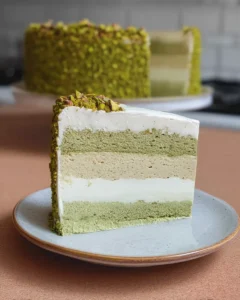
Pistachio lovers: Fold ½ cup of finely ground pistachios into the cheesecake batter before baking, and add crushed pistachios to your toppings for extra nuttiness and that gorgeous green color.
Chocolate version: Add 100g of melted white or dark chocolate to your cheesecake batter for a richer, more decadent layer. Check out our Dubai chocolate cheesecake for more chocolate inspiration.
Rose water infusion: Add 1 teaspoon of rose water to both your cheesecake batter and sugar syrup for a more intensely floral, traditional knafeh flavor.
Mini portions: Make individual kunafa cheesecakes in muffin tins for easier serving at parties—just reduce baking times accordingly.
Serving, Storage & Reheating
Best Way to Serve
Serve this knafeh cheesecake well-chilled but not frozen. The contrast between the cold, creamy cheesecake and the room-temperature crispy topping is part of the magic. Always add the final syrup drizzle tableside for maximum drama and crunch.
Storage Tips
Store assembled cheesecake (without the final kataifi topping and syrup drizzle) covered in the refrigerator for up to 4 days. Keep the crispy kataifi separate in an airtight container at room temperature and add just before serving.
Can You Make It Ahead?
This dessert is actually perfect for making ahead. The cheesecake layer can be baked and frozen up to 2 weeks in advance. The syrup keeps refrigerated for a week. The base can be made a day ahead. Just assemble and add toppings when ready to serve.
No-Waste Kitchen Magic
- Extra kataifi dough? Toast it with butter and sugar for a crunchy ice cream topping.
- Leftover sugar syrup? Drizzle over pancakes, stir into cocktails, or use as a sweetener for tea.
- Cheesecake scraps from trimming? Layer with fruit in parfait glasses for a quick weeknight dessert.
- Extra keshta cream? Spread on toast with honey, or use as a filling for crepes.
Frequently Asked Questions
Can I freeze kunafa cheesecake?
You can freeze the cheesecake layer before assembly for up to 2 weeks. However, I don’t recommend freezing the fully assembled dessert—the kataifi base becomes soggy when thawed. Assemble fresh from frozen cheesecake layer and freshly baked base for best results.
What’s the best substitute for keshta cream?
If you can’t find keshta (also called ashta or clotted cream), mascarpone mixed with a tablespoon of heavy cream makes a good substitute. Thick Greek yogurt works in a pinch but will be tangier. Regular whipped cream is too light to provide the same luxurious mouthfeel.
Why is my kunafa cheesecake too sweet?
The traditional version is quite sweet! To reduce sweetness, cut the sugar syrup amount in half or use a less-sweetened cheesecake recipe. You can also skip adding syrup to the base and only drizzle lightly when serving.
Can I make kunafa cheesecake without a water bath?
You can, but the cheesecake is more likely to crack and may have a denser texture around the edges. If you skip the water bath, reduce oven temperature to 150°C (300°F) and bake longer, watching carefully for doneness.
How long does kunafa cheesecake need to set?
After assembly, refrigerate for at least 3-6 hours until the frozen cheesecake layer has fully thawed to a creamy, sliceable texture. Overnight is even better for the flavors to meld.
What’s the difference between kunafa and kataifi?
Kunafa is the dessert; kataifi is the shredded phyllo pastry used to make it. You’ll sometimes see kataifi spelled as kadaifi or kadayif. The dough looks like thin vermicelli noodles and gets deliciously crispy when baked with butter.
Time to Create This Showstopper!
There you have it—everything you need to create a stunning kunafa cheesecake that combines the best of Middle Eastern and Western dessert traditions. Yes, it takes some time and multiple components, but the result is absolutely worth the effort.
I’d love to see your creations! Share your photos in the comments and let me know if you tried any of the variations. And if you’re hungry for more Middle Eastern-inspired desserts, don’t miss our Dubai chocolate cheesecake for another unforgettable treat.
Baked with love by Rebeccah Ellene.