Homemade Strawberry Candy
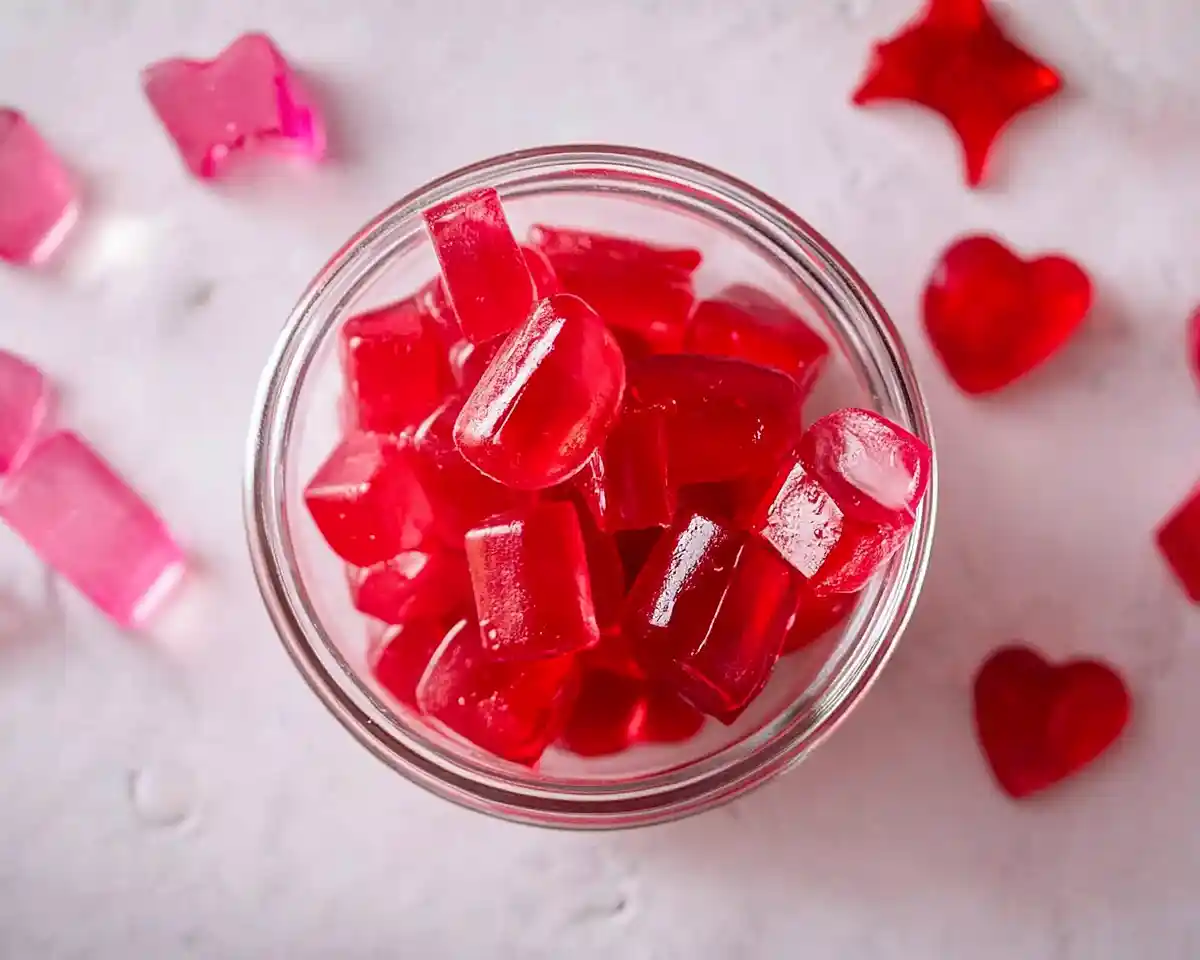
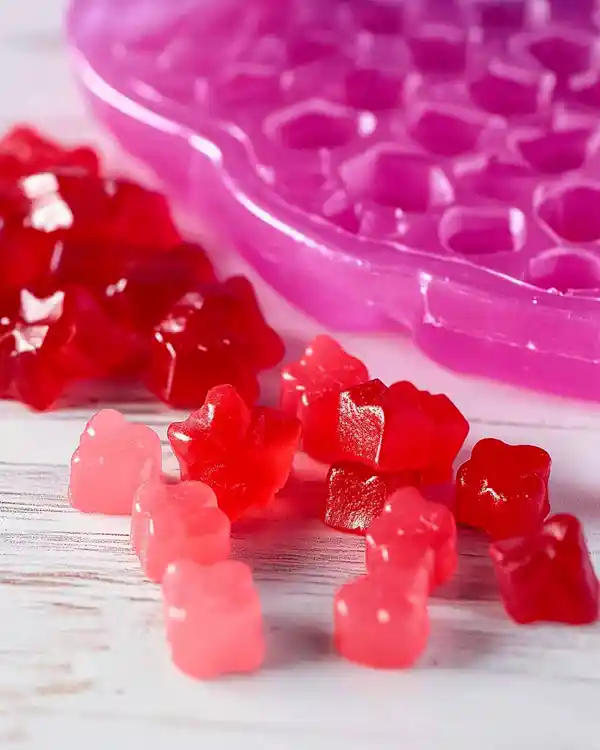
Make glassy, ruby-red strawberry candy at home in just 20 minutes! This simple homemade strawberry hard candy recipe delivers intense berry flavor.
This strawberry candy combines light corn syrup, white sugar, water, super-strength strawberry flavoring, and vibrant red food coloring to create glassy, ruby-red hard candies with an intense berry burst that melts slowly on your tongue, delivering that classic old-fashioned candy shop experience right from your own kitchen.
I first made strawberry hard candy on a rainy Saturday when I was craving something sweet and nostalgic—you know, those bright red candies grandma always had in her candy dish? Turns out, they’re shockingly easy to make at home. Just a handful of pantry staples, a candy thermometer, and about 20 minutes stand between you and your own batch of glassy, berry-flavored gems.
Table of Contents
Why You’ll Love This Strawberry Candy
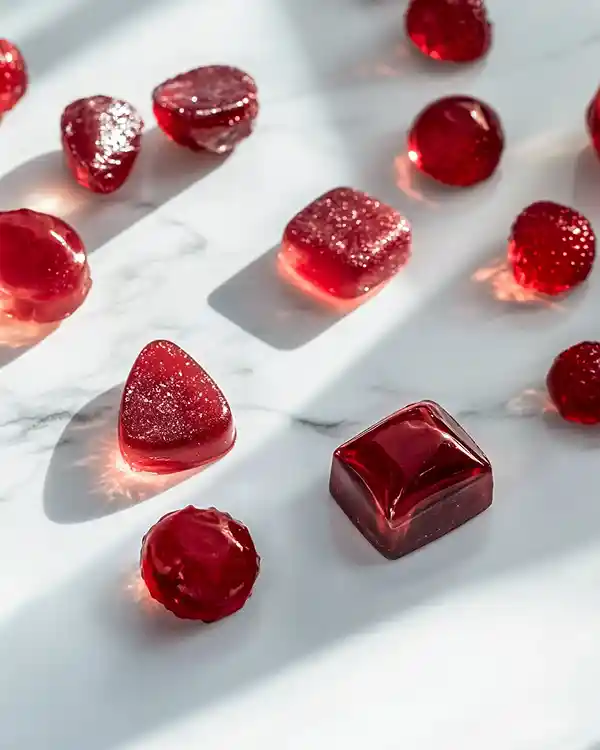
Homemade strawberry candy beats store-bought every single time, and here’s why you’re going to make this on repeat:
Lightning-fast magic. You’ll go from craving to crunching in under 20 minutes. No waiting, no complicated steps—just straightforward candy making that actually works.
Pure flavor intensity. Using super-strength strawberry flavoring means each candy delivers a concentrated berry punch without any artificial aftertaste. It’s like biting into the essence of summer strawberries.
Customizable everything. Want them sweeter? Slightly tart? More or less red? You’re in complete control of the flavor, color, and even the shape with different molds.
Foolproof beginner candy. I’ve taught this recipe to friends who’ve never made candy before, and they nail it every time. According to King Arthur Baking’s candy-making guide, reaching the hard-crack stage at 300°F is the single most important factor—and with a candy thermometer, you can’t mess it up.
Gift-worthy presentation. Wrapped in cellophane with a ribbon, these strawberry soft candy alternatives (though these are definitely hard!) make the sweetest handmade gifts.
Nutritional Peek
Here’s what you’re looking at per candy (based on 55 pieces):
| Nutrient | Per Serving |
|---|---|
| Calories | 12 |
| Protein | 0g |
| Carbohydrates | 3g |
| Fat | 0g |
| Sugar | 2g |
Light, sweet, and basically guilt-free when you’re just having one or two!
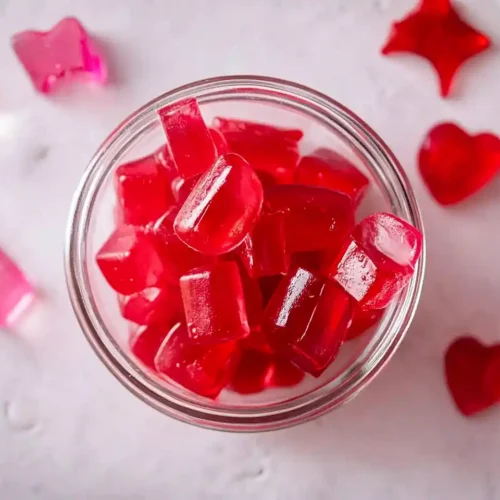
Homemade Strawberry Candy
Equipment
- Small saucepan (2-quart)
- Candy thermometer
- Silicone candy molds
- Wax paper or parchment paper
- Wooden spoon or heat-resistant spatula
- Wet pastry brush
- Candy scoop or small spoon
- Offset spatula
- Cellophane wrappers
Ingredients
- ½ cup light corn syrup This prevents crystallization and gives that perfect glassy finish
- ¼ cup white sugar Standard white sugar works beautifully—no need for superfine
- ⅛ cup water Just regular tap water is fine
- 1 teaspoon strawberry flavoring (super strength) Look for LorAnn or similar brands in the baking aisle—regular extract won’t be strong enough
- 10 drops red food coloring Gel food coloring gives more vibrant color, but liquid works too
Instructions
- Lay out a piece of wax paper on your counter and set your candy molds on top. Trust me—you don’t want to be scrambling for molds when you’ve got molten sugar ready to pour. The mixture hardens fast!
- Add the light corn syrup (½ cup), white sugar (¼ cup), and water (⅛ cup) to a small saucepan. Place it over medium-high heat and give it a gentle stir to combine everything.
- Cook and stir occasionally until every single sugar crystal has dissolved into the liquid, about 3 minutes. You’ll know it’s ready when the mixture looks completely clear with no grainy bits. If you see any sugar crystals clinging to the sides of the pan, brush them down immediately with a wet pastry brush—those rogue crystals can cause your whole batch to crystallize and turn grainy.
- Bring the mixture to a rolling boil, then reduce the heat to medium. Clip your candy thermometer to the side of the pan and stop stirring completely. Let it cook undisturbed until the thermometer reads exactly 300°F (hard-crack stage). For me, this takes about 8 minutes, but watch that thermometer carefully.
- The instant your thermometer hits 300°F, remove the pan from heat. Let the bubbling calm down for about 10 seconds, then quickly stir in the strawberry flavoring (1 teaspoon) and red food coloring (10 drops). Stir just until evenly combined—about 5-6 stirs should do it.
- Working fast, pour or carefully spoon the hot candy mixture into each cavity of your mold. Fill them right to the top—they won’t overflow or bubble up.
- Immediately after pouring, run a spatula or the back of a spoon across the top of the mold to scrape off any excess and ensure each candy is perfectly level. This step makes them easier to pop out later.
- Allow the candies to sit undisturbed until they’re completely cool and rock-hard, at least 10 minutes (larger candies might need 15-20 minutes). Don’t try to rush this by putting them in the fridge—sudden temperature changes can cause cracking.
- Once hardened, gently flex the silicone mold to pop out your beautiful strawberry candies. If there are any connected bits or excess candy around the edges, just snap them off.
- If you’re not eating them right away, wrap each candy individually in cellophane or wax paper to prevent them from sticking together or absorbing moisture from the air.
Notes
Nutrition
What Goes Into Homemade Strawberry Candy?
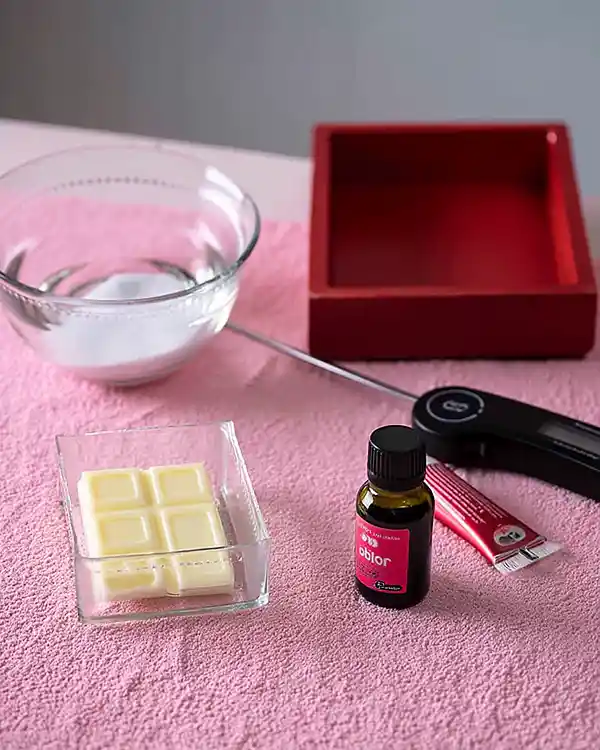
Making strawberry hard candy requires just five simple ingredients—nothing fancy, nothing hard to find. Here’s your shopping list:
| Amount | Ingredient | Notes |
|---|---|---|
| ½ cup | Light corn syrup | This prevents crystallization and gives that perfect glassy finish |
| ¼ cup | White granulated sugar | Standard white sugar works beautifully—no need for superfine |
| ⅛ cup | Water | Just regular tap water is fine |
| 1 teaspoon | Strawberry flavoring (super strength) | Look for LorAnn or similar brands in the baking aisle—regular extract won’t be strong enough! |
| 10 drops | Red food coloring | Gel food coloring gives more vibrant color, but liquid works too |
The super-strength flavoring is absolutely key here. I learned this the hard way when I tried using regular strawberry extract on my second batch—the flavor completely cooked off, and I ended up with pretty but tasteless candies.
Equipment You’ll Need
Here’s what to grab before you start:
Essential:
- Small saucepan (2-quart works perfectly)
- Candy thermometer (this is non-negotiable!)
- Silicone candy molds or lollipop molds
- Wax paper or parchment paper
- Wooden spoon or heat-resistant spatula
- Wet pastry brush for crystals
Optional but handy:
- Candy scoop or small spoon for filling molds
- Offset spatula for scraping excess
- Cellophane wrappers for storage
- Kitchen timer (because trust me, you’ll get distracted!)
How to Make Strawberry Candy Step-by-Step
Let’s make some strawberry candy that’ll rival anything you’d find in a vintage candy shop! This process moves quickly once you start, so read through everything first.
1. Prep your workspace. Lay out a piece of wax paper on your counter and set your candy molds on top. Trust me—you don’t want to be scrambling for molds when you’ve got molten sugar ready to pour. The mixture hardens fast!
2. Combine your base ingredients. Add the light corn syrup (½ cup), white sugar (¼ cup), and water (⅛ cup) to a small saucepan. Place it over medium-high heat and give it a gentle stir to combine everything.
3. Dissolve the sugar completely. Cook and stir occasionally until every single sugar crystal has dissolved into the liquid, about 3 minutes. You’ll know it’s ready when the mixture looks completely clear with no grainy bits.
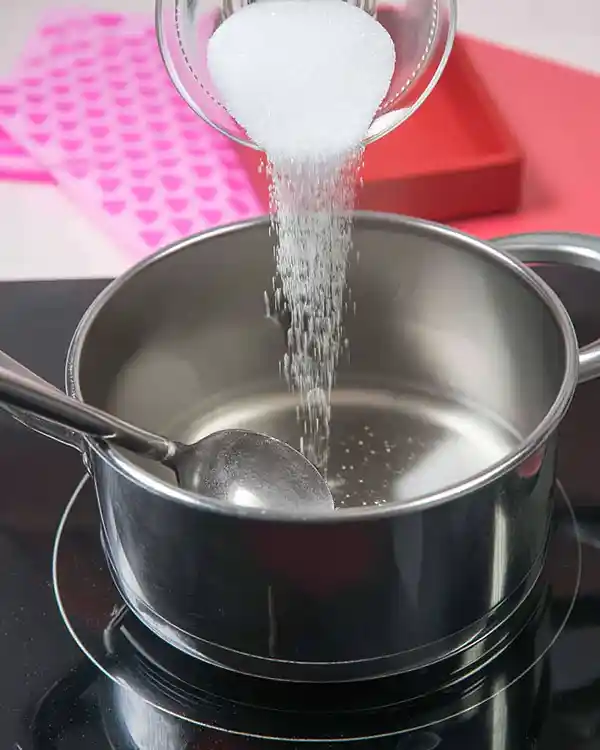
If you see any sugar crystals clinging to the sides of the pan (they look like little white specks), brush them down immediately with a wet pastry brush—those rogue crystals can cause your whole batch to crystallize and turn grainy.
4. Reach the hard-crack stage. Bring the mixture to a rolling boil, then reduce the heat to medium. Now here’s the crucial part: clip your candy thermometer to the side of the pan and stop stirring completely. Let it cook undisturbed until the thermometer reads exactly 300°F (this is called the hard-crack stage).
For me, this takes about 8 minutes, but ovens vary, so watch that thermometer like a hawk. According to Serious Eats’ candy-making science guide, hitting 300°F ensures your candy will be hard and snappy rather than sticky or chewy—the sugar molecules reach the perfect concentration for that classic hard-candy texture.
5. Add flavor and color. The instant your thermometer hits 300°F, remove the pan from heat. Let the bubbling calm down for about 10 seconds (this prevents the flavoring from evaporating), then quickly stir in the strawberry flavoring (1 teaspoon) and red food coloring (10 drops). Stir just until evenly combined—about 5-6 stirs should do it.
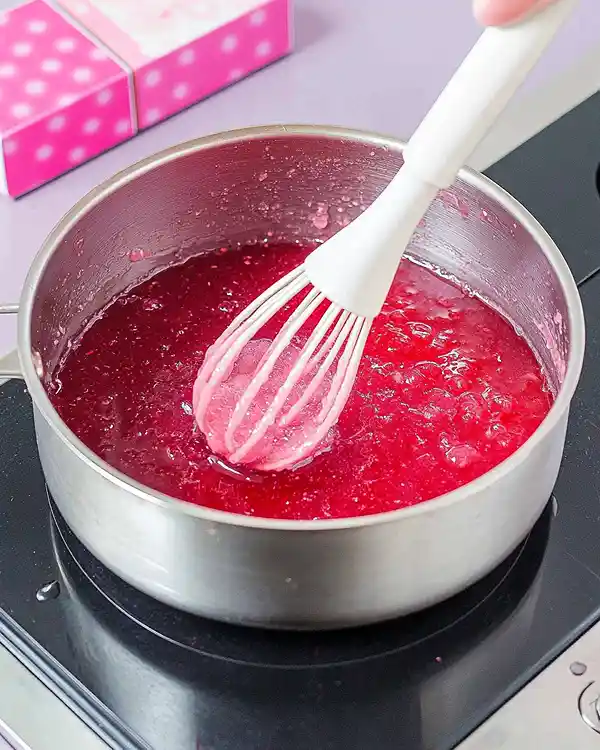
6. Fill your molds quickly. Working fast (the mixture starts to set within a minute), pour or carefully spoon the hot candy mixture into each cavity of your mold. Fill them right to the top—they won’t overflow or bubble up.
7. Smooth the surface. Immediately after pouring, run a spatula or the back of a spoon across the top of the mold to scrape off any excess and ensure each candy is perfectly level. This step makes them easier to pop out later.
8. Let them set completely. Allow the candies to sit undisturbed until they’re completely cool and rock-hard, at least 10 minutes (larger candies might need 15-20 minutes). Don’t try to rush this by putting them in the fridge—sudden temperature changes can cause cracking.
9. Release and trim. Once hardened, gently flex the silicone mold to pop out your beautiful strawberry candies. If there are any connected bits or excess candy around the edges, just snap them off. Those imperfect pieces? That’s the candy maker’s tax—enjoy them immediately!
10. Wrap and store. If you’re not eating them right away (who are we kidding?), wrap each candy individually in cellophane or wax paper to prevent them from sticking together or absorbing moisture from the air.
Pro Tips for Perfect Candy Every Time
Homemade strawberry candy is straightforward, but these tricks make the difference between good and absolutely stellar results:
Temperature is everything. Seriously—invest in a reliable candy thermometer if you haven’t already. Even 5 degrees too low and your candies will be sticky instead of snappy. Digital thermometers are faster and more accurate than analog ones, but either works as long as it’s calibrated correctly.
Humidity is your enemy. Don’t attempt candy making on a rainy or humid day if you can avoid it. Sugar absorbs moisture from the air, which can make your finished candies sticky or cloudy. If you must make them on a humid day, work in an air-conditioned room.
Work lightning-fast after 300°F. Once you remove the pan from heat, you have maybe 60-90 seconds before the mixture becomes too thick to pour smoothly. Have everything ready beforehand—molds positioned, spoon in hand, flavoring measured out.
Avoid stirring during the boil. This seems counterintuitive, but stirring once the mixture reaches a boil can cause sugar crystallization, leaving you with grainy, opaque candies instead of clear, glassy ones. Just let it do its thing and trust the thermometer.
Room-temperature ingredients matter less here. Unlike baking cakes where temperature affects texture, candy making is all about reaching the right final temperature. Your ingredients can come straight from the pantry—no need to bring anything to room temp first.
What If Things Go Wrong? (They Won’t, But Just in Case)
My candy turned out sticky, not hard. You didn’t quite reach 300°F, even if your thermometer said you did. Some thermometers can be off by 5-10 degrees. Next time, test your thermometer in boiling water (should read 212°F) to check its accuracy, or cook your candy 2-3 degrees higher.
The candy crystallized and looks cloudy. Sugar crystals formed during cooking, usually from stirring after the mixture boiled or from rogue crystals on the pan sides. Next batch, be vigilant about brushing down the sides with a wet pastry brush and resist the urge to stir once it’s boiling.
My candies are sticking together. Hard candy is hygroscopic, meaning it pulls moisture from the air and gets sticky. Wrap each piece individually in cellophane or wax paper, or store them in an airtight container with parchment paper between layers.
The flavor isn’t strong enough. Regular extracts lose potency at high heat. Make sure you’re using super-strength flavoring oils (like LorAnn brand) and add them after removing from heat. You can also bump it up to 1½ teaspoons for even more intensity.
I don’t have candy molds—can I still make this? Absolutely! Pour the mixture onto a greased baking sheet, let it harden, then break it into shards. You’ll have beautiful strawberry candy “bark” that’s just as delicious.
Fun Ways to Switch It Up
Strawberry candy is endlessly customizable once you master the basic technique. Here are some twists I love:
Berry medley version. Mix strawberry flavoring with a few drops of raspberry or cherry for a complex berry blend that tastes like summer in a candy.
Cream swirl magic. After pouring half your candy into the molds, add a tiny drop of vanilla extract and a drop of white food coloring to the remaining mixture. Swirl it into the molds for strawberries-and-cream candies.
Lollipop transformation. Use lollipop molds instead of candy molds and insert sticks before the candy sets. Kids go absolutely wild for these at birthday parties.
Sparkly finish. While the candies are still slightly warm (but set enough to handle), dust them lightly with edible pearl dust for a gorgeous shimmer that catches the light.
If you love quick, stovetop sweets, our lemon no bake oatmeal cookies are ready in 15 minutes and bring a bright citrus twist to your no-bake dessert lineup.
Serving, Storing & Keeping Them Perfect
Serving ideas: These strawberry hard candies shine brightest when offered in a vintage glass candy dish, displayed in cellophane bags tied with ribbon at parties, or tucked into lunchboxes as a sweet surprise. I also love crushing a few and sprinkling them over vanilla ice cream for a crunchy, fruity topping.
Storage secrets: Wrap each candy individually in cellophane, wax paper, or candy wrappers. Store them in an airtight container at room temperature for up to 3 months. Never refrigerate—the moisture will make them impossibly sticky.
Can you freeze them? Technically yes, but it’s unnecessary since they keep so well at room temperature. If you do freeze them, double-wrap in plastic wrap and foil, and let them come to room temperature completely before unwrapping to prevent condensation.
For another dangerously addictive bite-sized treat, our easy no-bake brownie balls deliver fudgey centers and a smooth chocolate shell—perfect alongside a dish of these strawberry candies.
No-Waste Kitchen Magic
Got extra candy or scraps? Here’s how to use every last bit:
- Candy crumbles for dessert topping. Crush leftover or misshapen candies in a sealed plastic bag with a rolling pin. Sprinkle over cupcakes, cookies, or ice cream for a pop of strawberry crunch.
- Homemade flavored sugar. Grind candy scraps in a spice grinder to create strawberry-flavored sugar—gorgeous rimmed on cocktail glasses or stirred into tea.
- Hot chocolate stirrers. Drop a candy into hot milk for an instant strawberry-flavored treat.
- Candy simple syrup. Dissolve broken pieces in equal parts hot water to create a strawberry syrup for drinks or drizzling over pancakes.
Your Candy Questions, Answered
What are the ingredients in strawberry candies?
Traditional strawberry candy contains light corn syrup, white sugar, water, super-strength strawberry flavoring, and red food coloring. The corn syrup prevents crystallization while the flavoring oil delivers that intense berry taste that survives the high cooking temperature.
How do you turn strawberries into candy?
You can’t make hard candy directly from fresh strawberries since their water content would prevent proper crystallization. Instead, use concentrated strawberry flavoring oils in a sugar syrup heated to 300°F. For fruit-based treats using real strawberries, try making strawberry leather or candied strawberry slices instead.
Can I make this strawberry candy ahead of time?
Absolutely! These candies store perfectly for up to 3 months when individually wrapped and kept in an airtight container. They’re ideal for making ahead for parties, gifts, or whenever a craving strikes.
What’s the best substitute for corn syrup in hard candy?
Honey or golden syrup can work, though they’ll affect the flavor slightly. For a more neutral substitute, try glucose syrup. Avoid substituting corn syrup entirely, as it’s what prevents crystallization and ensures that smooth, glassy texture.
Why did my strawberry candy turn cloudy instead of clear?
Cloudiness happens when sugar crystals form during cooking, usually from stirring after the mixture boils or from crystals on the pan sides that weren’t brushed away. Next time, avoid stirring once boiling begins and diligently brush down any crystals with a wet pastry brush.
What is the healthiest hard candy option?
While hard candy is primarily sugar, homemade versions like this let you control ingredients and avoid artificial additives. You can also make sugar-free versions using Isomalt or other sugar alternatives if you’re watching sugar intake, though they’re still treats best enjoyed in moderation.
Sweet Success!
There you have it—your complete guide to making strawberry candy that tastes like it came from an artisan candy shop but costs a fraction of the price! These ruby-red gems are about to become your go-to gift, party favor, and personal stash candy.
I’d love to see your creations, so snap a photo and tag Dessert Haven on social media, or drop a comment below sharing your favorite flavor twist.
Building a full no-bake dessert spread? Pair these ruby-red strawberry candies with our perfect no bake chocolate lasagna for a crowd-pleasing contrast of textures and flavors.
Baked with love by Rebeccah Ellene.