Cassata Cake Recipe
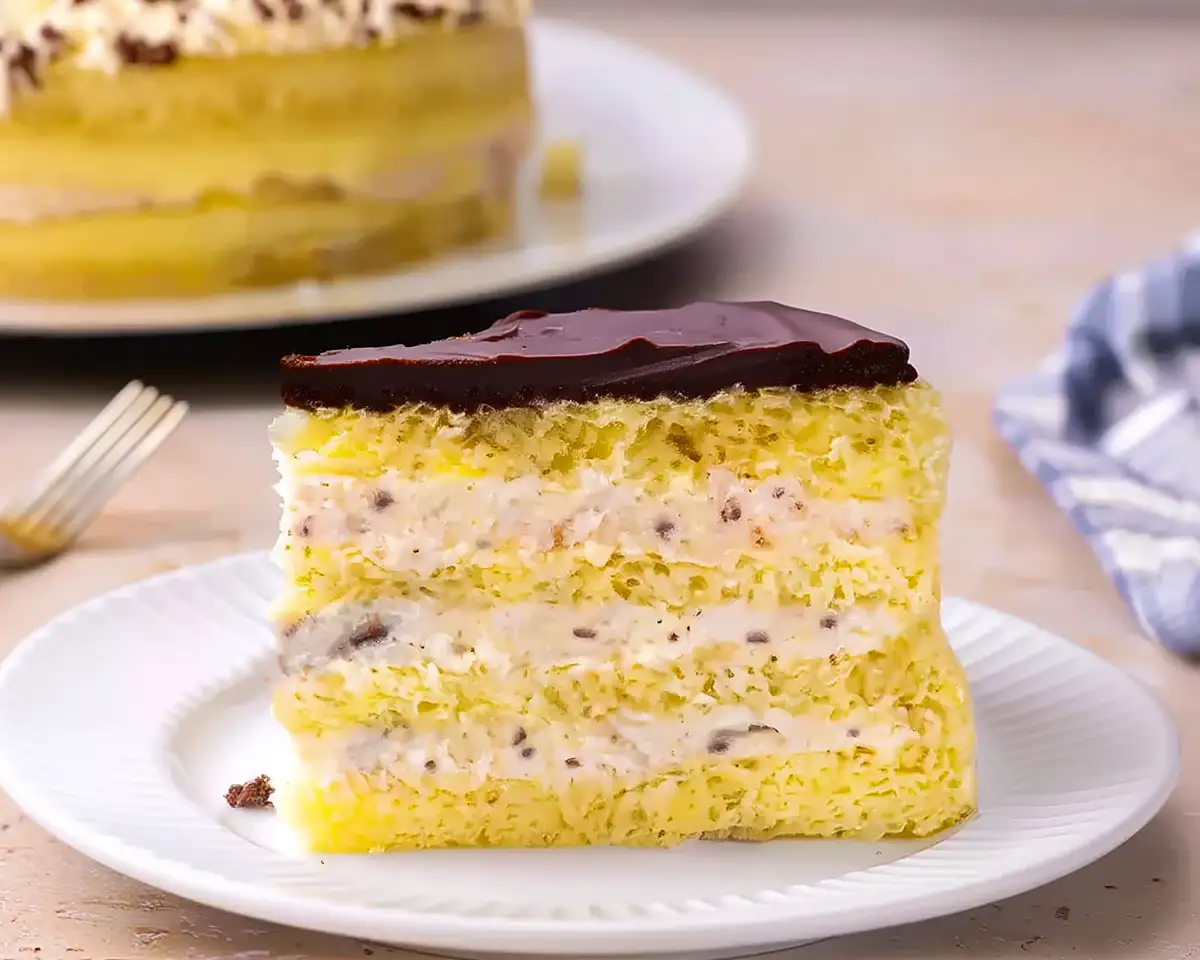
This authentic cassata cake recipe layers fluffy sponge with sweet ricotta, candied citrus, and chocolate glaze—a show-stopping Sicilian dessert worth every delicious minute.
What Makes This Cassata Cake Special?
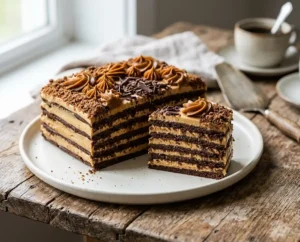
This traditional cassata cake combines delicate vanilla sponge layers soaked in rum syrup with creamy ricotta filling studded with grated chocolate and candied lemon peel, all wrapped in a glossy bittersweet chocolate glaze that creates the perfect balance of textures and flavors in every forkful.
You know that moment when you taste something so good it stops you mid-conversation? That’s what happened to me the first time I tried authentic Sicilian cassata cake at a tiny bakery in Brooklyn. The baker’s grandmother had brought the recipe from Palermo, and one bite transported me straight to a sunny Italian piazza.
I’ve been perfecting my own version ever since, and I’m thrilled to share it with you today. This Italian cassata cake isn’t your everyday dessert—it’s a celebration on a plate, with layers of fluffy sponge, sweet ricotta cream, and a chocolate glaze that’ll make your heart sing.
Table of Contents
Why You’ll Love This Cassata Cake Recipe
This cassata cake recipe delivers that “wow” factor without requiring pastry school credentials. Here’s what makes it absolutely irresistible:
It’s a showstopper with soul. Four layers of rum-kissed sponge cake create dramatic height while the creamy ricotta filling keeps everything moist and flavorful. Your guests won’t believe you made this at home.
The flavors dance together beautifully. Sweet ricotta meets warm cinnamon, bright candied lemon peel adds citrusy pops, and bittersweet chocolate brings everything into perfect harmony. It’s complex without being fussy.
You can make it ahead. In fact, this traditional cassata cake actually needs at least four hours to chill, making it perfect for entertaining. The flavors meld and deepen as it sits, and you’ll have one less thing to stress about on party day.
It’s surprisingly forgiving. I’ve tested this recipe through three kitchen mishaps (including that time my cat knocked over the rum bottle), and it still came out gorgeous. The ricotta filling covers a multitude of cake-layer sins, trust me.
According to King Arthur Baking, sponge cakes like this one rely on properly beaten eggs for their structure rather than chemical leaveners, which gives them that distinctive light, airy texture that soaks up the rum syrup like a dream.
Nutritional Peek
Here’s what you’re getting per generous slice (serves 14):
| Nutrient | Per Serving |
|---|---|
| Calories | 425 |
| Protein | 9g |
| Carbohydrates | 52g |
| Fat | 19g |
| Saturated Fat | 10g |
| Fiber | 1g |
| Sugar | 39g |
Remember, this is a special occasion dessert—savor every bite guilt-free!
Ingredients for Your Sicilian Cassata Cake
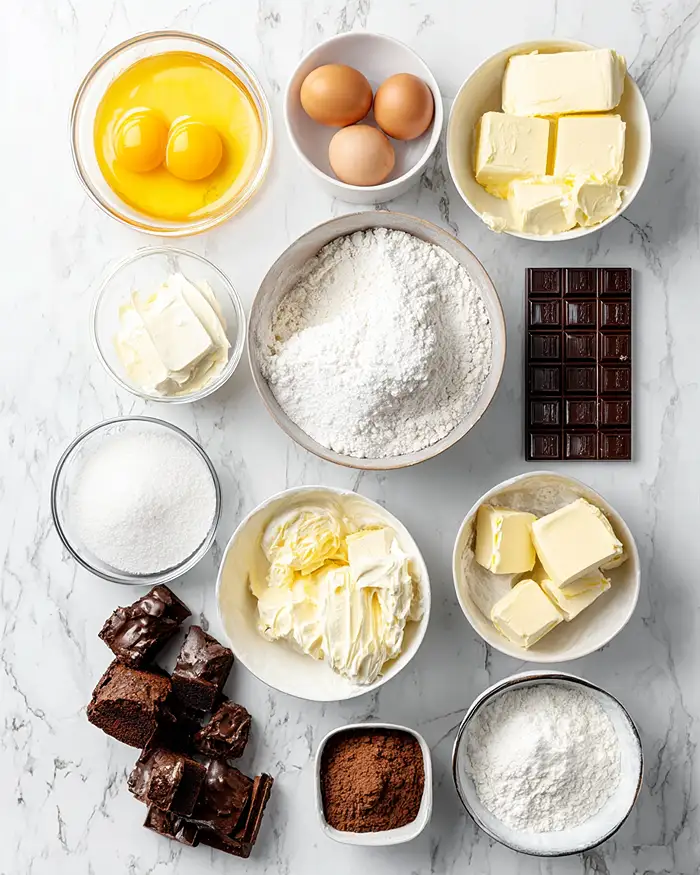
This Italian cassata cake starts with quality ingredients that come together in three distinct components. Here’s everything you’ll need:
For the Sponge Cake Layers
| Amount | Ingredient |
|---|---|
| 1 ½ cups | Cake flour (sifted—this makes all the difference in texture!) |
| ½ teaspoon | Baking powder |
| ¼ teaspoon | Salt |
| 5 large | Eggs (room temperature works best) |
| ½ cup | Cold water |
| 1 ¼ cups | White sugar |
| 1 teaspoon | Vanilla extract |
| ½ teaspoon | Cream of tartar (helps stabilize those egg whites) |
For the Ricotta Filling
| Amount | Ingredient |
|---|---|
| 2 pounds | Whole milk ricotta cheese (the good stuff—don’t skimp here) |
| 2 ¼ cups | Confectioners’ sugar |
| ½ teaspoon | Ground cinnamon |
| 1 ½ teaspoons | Vanilla extract |
| 2 ounces | Semi-sweet chocolate, coarsely grated |
| ½ cup | Candied lemon peel (or orange peel if you prefer) |
For the Rum Syrup
| Amount | Ingredient |
|---|---|
| ⅓ cup | White sugar |
| ¼ cup | Water |
| 2 tablespoons | Light rum (or substitute with rum extract plus water if you prefer) |
For the Chocolate Glaze
| Amount | Ingredient |
|---|---|
| 6 ounces | Bittersweet chocolate, chopped |
| ⅓ cup | Heavy whipping cream |
| 3 tablespoons | Unsalted butter, cubed |
Pro tip: I love using fresh candied lemon peel from my local Italian market, but the jarred stuff works perfectly fine. For more tips on working with specialty ingredients, check out our classic banana pudding with vanilla wafers guide.
Equipment You’ll Need
Essential Tools
- Two 9-inch round cake pans
- Parchment paper for lining
- Stand mixer or hand mixer
- Large mixing bowls (at least 3)
- Fine-mesh sieve for sifting
- Wire cooling racks
- Small saucepan for syrup
- Offset spatula for spreading
- Microwave-safe bowl for chocolate
Nice to Have
- Cake board or turntable (makes assembly easier)
- Pastry brush for applying syrup
- Long serrated knife for splitting layers evenly
How to Make This Traditional Cassata Cake
Making cassata cake is easier than you’d think—just follow these steps and you’ll have bakery-worthy results.
Step 1: Prep Your Pans and Oven
Preheat your oven to 325°F and grease two 9-inch round cake pans generously. Line the bottoms with parchment paper circles (trace the pan, then cut just inside the line). This double insurance means your cakes will release perfectly every time.
Step 2: Prepare the Dry Ingredients
Sift the cake flour, baking powder, and salt together into a medium bowl, whisking to combine evenly. Sifting isn’t just fancy baker talk—it actually aerates the flour and removes lumps, creating that tender, delicate crumb we’re after.
Step 3: Beat the Egg Yolks
Separate your eggs carefully, putting whites in one large bowl and yolks in another. Beat the egg yolks on medium-high speed until they’re thick, pale yellow, and ribbony—about 4 minutes. Gradually drizzle in the cold water while beating, then slowly add the 1 ¼ cups white sugar and beat for 3 more minutes until fluffy and increased in volume. Mix in 1 teaspoon vanilla extract.
Step 4: Combine Wet and Dry
Gently fold the flour mixture into the egg yolk mixture using a rubber spatula, making sweeping motions from the bottom up. Don’t overmix—a few small flour streaks are fine because we still have to fold in the egg whites.
Step 5: Whip Those Egg Whites
In a clean, dry bowl, beat the egg whites and cream of tartar together until stiff, glossy peaks form (when you lift the beater, the peaks should stand straight up without drooping). This takes about 3-4 minutes on medium-high speed.
Step 6: Fold and Divide
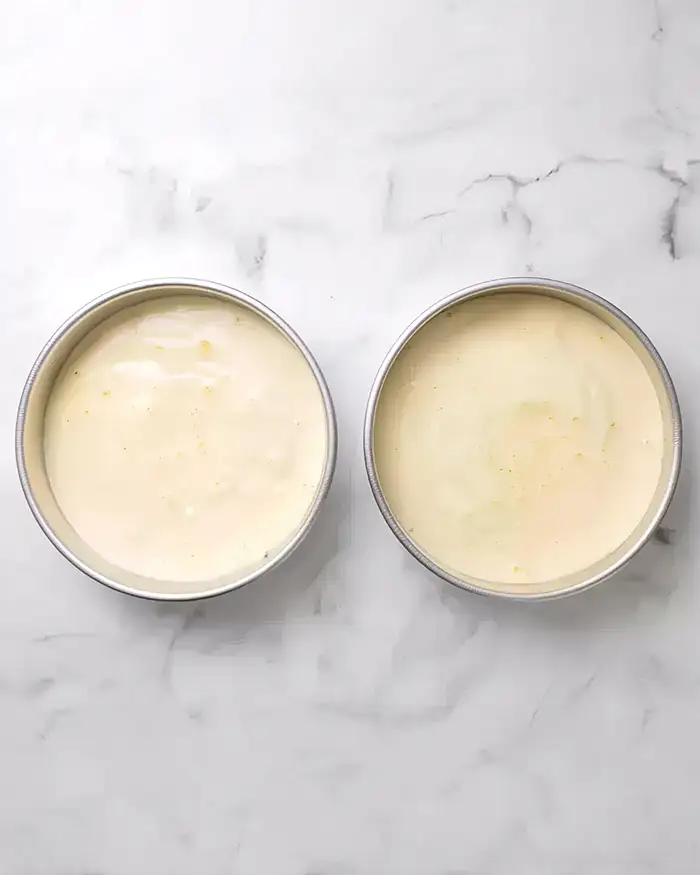
Gently fold the beaten egg whites into the batter in three additions, using that same bottom-to-top folding motion. Be patient here—rushed folding deflates all that air we worked so hard to incorporate. Divide the batter evenly between your prepared pans.
Step 7: Bake to Perfection
Bake for 25 minutes until the cakes are golden and spring back when gently pressed. Cool in the pans on wire racks for 10 minutes, then carefully invert onto the racks and peel off the parchment. Let them cool completely before assembling—warm cake will melt your filling into a soup situation (ask me how I know).
Step 8: Make the Ricotta Filling
While the cakes cool, beat the ricotta cheese until smooth and creamy (about 2 minutes). Add the confectioners’ sugar and cinnamon, beating until well combined. Stir in 1 ½ teaspoons vanilla, the grated semi-sweet chocolate, and candied lemon peel. Cover and refrigerate until you’re ready to assemble—chilled filling is much easier to spread.
Step 9: Prepare the Rum Syrup
Combine ⅓ cup sugar and ¼ cup water in a small saucepan over medium heat. Stir until the sugar dissolves completely, then let it boil for exactly 1 minute. Remove from heat, stir in the rum, and cool to room temperature. This syrup is liquid gold—it keeps the cake moist and adds that authentic Sicilian flavor.
Step 10: Slice and Soak
Using a long serrated knife, carefully slice each cooled cake in half horizontally (you’ll end up with 4 layers total). Place one layer on your serving plate or cake board and brush generously with rum syrup, letting it soak in for a moment.
Step 11: Layer and Repeat
Spread 1 ½ cups of the chilled ricotta filling over the soaked cake layer, spreading it all the way to the edges. Top with a second cake layer, brush with more syrup, and add another 1 ½ cups filling. Repeat with the third layer. Top with the final cake layer and brush with any remaining syrup. Don’t worry if it looks a bit messy—the chocolate glaze will cover everything beautifully.
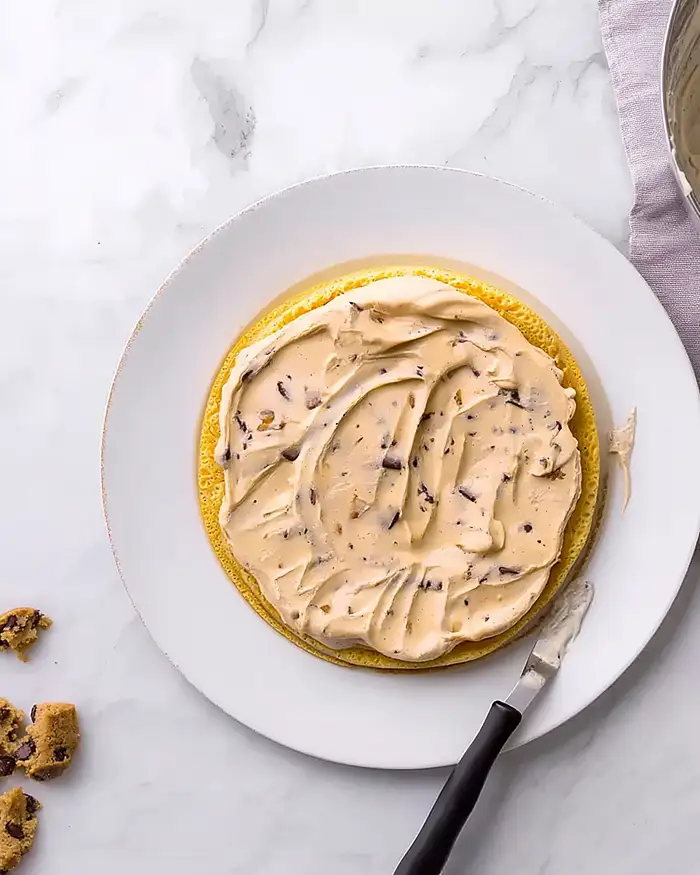
Step 12: Chill Out
Cover the assembled cake loosely with plastic wrap and refrigerate for at least 4 hours, or preferably overnight. This chilling time is crucial—it allows the flavors to meld and the cake to firm up, making it much easier to slice cleanly.
Step 13: Make the Chocolate Glaze
When you’re ready to serve, combine the chopped bittersweet chocolate and heavy cream in a microwave-safe bowl. Microwave in 30-second bursts, whisking between each, until the chocolate is fully melted and smooth (usually takes 1-2 minutes total).
Whisk in the cubed butter until it’s completely dissolved and the glaze is glossy. Let it cool for 10-15 minutes until it’s thick enough to spread but still pourable.
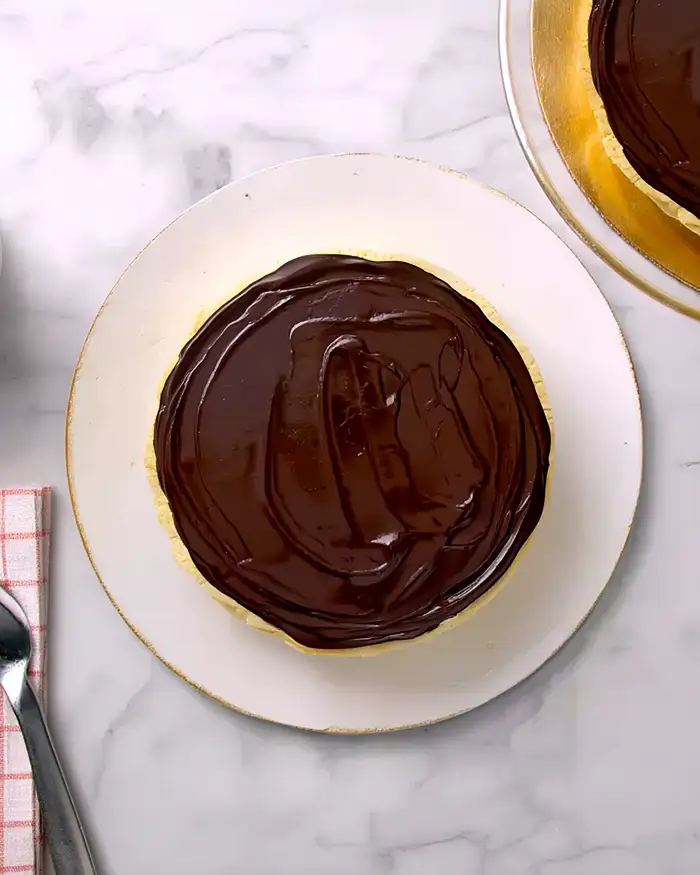
Step 14: The Grand Finale
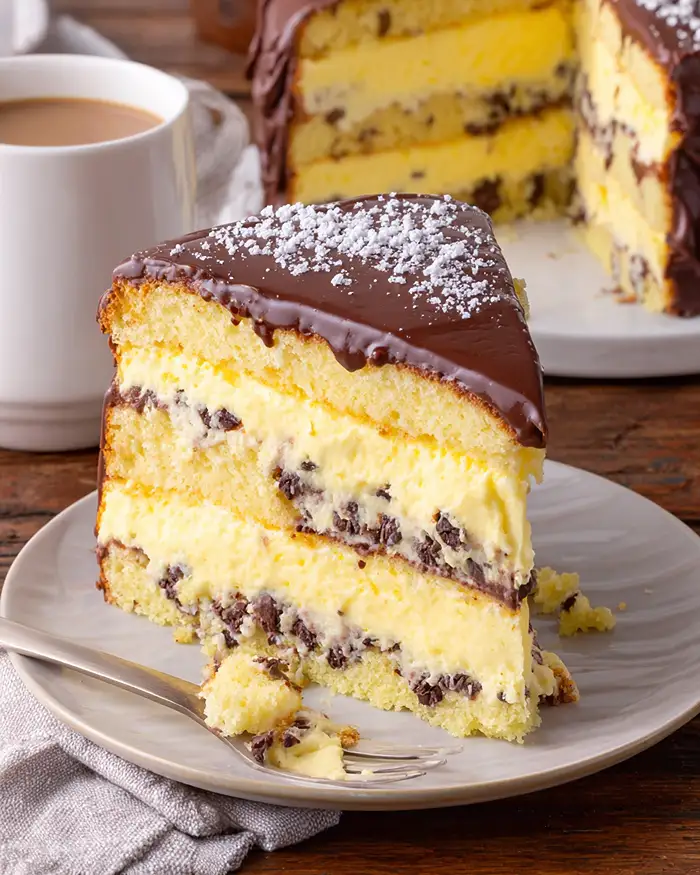
Pour the chocolate glaze over the top of the chilled cake, using an offset spatula to spread it evenly and let it drip down the sides naturally. The contrast between the dark glaze and the pale ricotta peeking out from the layers is absolutely stunning.
Pro Tips for Cassata Cake Success
This cassata cake recipe rewards a few smart techniques. Here’s what I’ve learned from making dozens of these beauties:
Room temperature eggs separate more easily, but cold eggs whip up fluffier. I separate mine cold right from the fridge, then let the yolks come to room temperature for about 20 minutes before beating. The whites can stay chilled—they’ll still whip up perfectly with that cream of tartar stabilizing them.
The ricotta quality matters enormously. Whole milk ricotta from the refrigerated section (not shelf-stable) has better texture and flavor than the cheaper versions. If your ricotta seems watery, drain it in a fine-mesh sieve for 30 minutes before using.
According to Serious Eats, moisture content in ricotta can vary wildly between brands, and excess water will make your filling weepy and loose instead of thick and spreadable.
Freeze your cake layers for easier slicing. If you’re nervous about cutting those layers horizontally, pop the cooled cakes in the freezer for 30 minutes first. They’ll be firm enough to slice cleanly without crumbling, but they’ll still thaw quickly once you brush them with that rum syrup.
Don’t skip the overnight chill. I know waiting is hard (I’m the most impatient baker I know), but this cake genuinely needs that time. The syrup soaks through completely, the filling firms up, and everything settles into perfect sliceable harmony.
What If Something Goes Wrong?
Why is my sponge cake dense instead of fluffy? You probably overbeat the batter after adding the flour, or you deflated the egg whites when folding. Next time, fold more gently and stop mixing as soon as you don’t see flour streaks—a few lumps are totally fine.
What if my ricotta filling seems too soft? Make sure you’re using whole milk ricotta (not fat-free), and drain any excess liquid before mixing. If it’s still soft, add 2-3 tablespoons more confectioners’ sugar to thicken it. The chilling time will also help it firm up considerably.
Can I fix a cake layer that broke when slicing? Absolutely! Just piece it back together like a puzzle and press gently—the ricotta filling and rum syrup will glue everything together. The chocolate glaze hides all sins, I promise.
Why is my chocolate glaze too thick to spread? It might have cooled too much. Just microwave it for 10 seconds at a time, stirring between bursts, until it reaches a spreadable consistency. If it’s too thin, let it sit at room temperature for 5-10 minutes to thicken up.
Fun Variations to Try
Traditional cassata cake is magical, but here are some creative twists I’ve played with:
Citrus lovers, rejoice! Swap the candied lemon peel for a mix of orange and lime peel, and add a teaspoon of orange zest to the ricotta filling. The bright citrus notes really shine through.
Make it boozy (or not). Use dark rum instead of light for deeper flavor, or go alcohol-free by replacing the rum with 2 tablespoons orange juice plus ½ teaspoon rum extract. Kids and teetotalers will thank you.
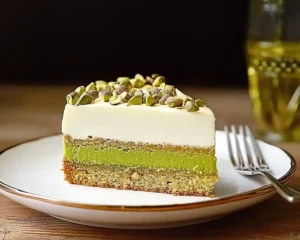
Add some crunch. Fold ¼ cup chopped pistachios or toasted almonds into the ricotta filling along with the chocolate and candied fruit. The texture contrast is wonderful.
Try different chocolate. I’ve made this with white chocolate glaze (gorgeous for spring!) and with a mix of milk and dark chocolate for a sweeter finish.
How Should I Serve and Store This?
Serving suggestions: Let the cake sit at room temperature for about 15 minutes before slicing—it cuts more cleanly when slightly chilled but tastes better when not ice-cold. Use a sharp knife dipped in hot water and wiped clean between cuts for those picture-perfect slices.
Storage tips: Cover leftover cassata cake loosely with plastic wrap or a cake dome and refrigerate for up to 4 days. The texture actually improves on day two as the flavors continue melding together.
Can you freeze it? Yes! Wrap individual slices tightly in plastic wrap, then aluminum foil, and freeze for up to 2 months. Thaw overnight in the fridge before serving—just as delicious as fresh.
No-Waste Kitchen Magic
Save those egg cartons from separating all those eggs—they’re perfect for storing the candied fruit or grated chocolate before assembly.
Leftover rum syrup? Brush it on pound cake or use it to soak ladyfingers for a quick tiramisu-inspired trifle. It keeps in the fridge for two weeks.
Extra ricotta filling is a blessing. Spread it on toast, dollop it on fresh berries, or use it as a cannoli filling. My kids love it stirred into their morning oatmeal with a drizzle of honey.
Broken cake pieces? Turn them into an incredible trifle by layering the scraps with whipped cream and fresh fruit. Nothing goes to waste in this kitchen!
Cassata Cake Recipe FAQs
Can I make this cassata cake ahead of time?
Absolutely—this is actually one of those magical desserts that must be made ahead! Assemble the cake completely (minus the chocolate glaze) and refrigerate for up to 2 days before serving. Add the glaze within 4-6 hours of serving for the best appearance.
What’s the best substitute for rum in cassata cake?
Replace the rum with 2 tablespoons orange juice plus ½ teaspoon rum extract for similar depth, or use amaretto for an almond-flavored twist. You can also simply use vanilla extract mixed with water if you prefer to avoid any alcohol flavoring entirely.
Why did my cassata cake layers come out dry?
Overbaking is usually the culprit—sponge cakes should just barely spring back when touched and will continue cooking slightly as they cool. Also make sure you’re brushing plenty of rum syrup on each layer, as that moisture is essential to the cake’s texture.
Can I use store-bought pound cake instead of making sponge cake?
While not traditional, you can use store-bought pound cake or angel food cake in a pinch. Slice it into thin layers and be extra generous with the rum syrup since storebought cakes tend to be drier than homemade sponge.
How do I prevent the chocolate glaze from sliding off?
Make sure your cake is properly chilled before glazing, and let the glaze cool to about 90°F (just barely warm to the touch) before pouring. If it’s too warm, it’ll be too runny and slide right off.
What can I use instead of candied lemon peel in cassata cake?
Dried cranberries, chopped maraschino cherries, or candied orange peel all work beautifully. Some bakers even use chopped dried apricots for a different flavor profile. Just keep the amount the same for proper texture.
Time to Celebrate Your Sicilian Masterpiece!
There you have it—an authentic cassata cake recipe that brings a little Sicilian sunshine right into your kitchen. Yes, it takes some time and a bit of patience, but watching people’s faces light up with that first bite makes every single minute worth it. The combination of delicate sponge, creamy sweet ricotta, and glossy chocolate is pure magic on a plate.
I’d absolutely love to see your cassata cake creations! Tag me on social media or drop a comment below sharing how yours turned out. Did you try any of the variations? Did your family fight over the last slice like mine does? And if you’re craving more show-stopping Italian-inspired desserts, don’t miss our layered tiramisu trifle recipe.
Baked with love by Rebeccah Ellene
Cassata Cake
Equipment
- Two 9-inch round cake pans
- stand mixer or hand mixer
- Large mixing bowls
- fine-mesh sieve
- Wire cooling racks
- Small saucepan
- Offset spatula
- Microwave-safe bowl
- Cake board or turntable
- Long serrated knife
Ingredients
For the Sponge Cake Layers
- 1 ½ cups cake flour sifted
- ½ teaspoon baking powder
- ¼ teaspoon salt
- 5 large eggs room temperature works best
- ½ cup cold water
- 1 ¼ cups white sugar
- 1 teaspoon vanilla extract
- ½ teaspoon cream of tartar helps stabilize egg whites
For the Ricotta Filling
- 2 pounds whole milk ricotta cheese the good stuff—don’t skimp here
- 2 ¼ cups confectioners’ sugar
- ½ teaspoon ground cinnamon
- 1 ½ teaspoons vanilla extract
- 2 ounces semi-sweet chocolate coarsely grated
- ½ cup candied lemon peel or orange peel if you prefer
For the Rum Syrup
- ⅓ cup white sugar
- ¼ cup water
- 2 tablespoons light rum or substitute with rum extract plus water if you prefer
For the Chocolate Glaze
- 6 ounces bittersweet chocolate chopped
- ⅓ cup heavy whipping cream
- 3 tablespoons unsalted butter cubed
Instructions
- Preheat your oven to 325°F and grease two 9-inch round cake pans generously. Line the bottoms with parchment paper circles (trace the pan, then cut just inside the line). This double insurance means your cakes will release perfectly every time.
- Sift the cake flour, baking powder, and salt together into a medium bowl, whisking to combine evenly. Sifting isn’t just fancy baker talk—it actually aerates the flour and removes lumps, creating that tender, delicate crumb we’re after.
- Separate your eggs carefully, putting whites in one large bowl and yolks in another. Beat the egg yolks on medium-high speed until they’re thick, pale yellow, and ribbony—about 4 minutes. Gradually drizzle in the cold water while beating, then slowly add the 1 ¼ cups white sugar and beat for 3 more minutes until fluffy and increased in volume. Mix in 1 teaspoon vanilla extract.
- Gently fold the flour mixture into the egg yolk mixture using a rubber spatula, making sweeping motions from the bottom up. Don’t overmix—a few small flour streaks are fine because we still have to fold in the egg whites.
- In a clean, dry bowl, beat the egg whites and cream of tartar together until stiff, glossy peaks form (when you lift the beater, the peaks should stand straight up without drooping). This takes about 3-4 minutes on medium-high speed.
- Gently fold the beaten egg whites into the batter in three additions, using that same bottom-to-top folding motion. Be patient here—rushed folding deflates all that air we worked so hard to incorporate. Divide the batter evenly between your prepared pans.
- Bake for 25 minutes until the cakes are golden and spring back when gently pressed. Cool in the pans on wire racks for 10 minutes, then carefully invert onto the racks and peel off the parchment. Let them cool completely before assembling—warm cake will melt your filling into a soup situation.
- While the cakes cool, beat the ricotta cheese until smooth and creamy (about 2 minutes). Add the confectioners’ sugar and cinnamon, beating until well combined. Stir in 1 ½ teaspoons vanilla, the grated semi-sweet chocolate, and candied lemon peel. Cover and refrigerate until you’re ready to assemble—chilled filling is much easier to spread.
- Combine ⅓ cup sugar and ¼ cup water in a small saucepan over medium heat. Stir until the sugar dissolves completely, then let it boil for exactly 1 minute. Remove from heat, stir in the rum, and cool to room temperature. This syrup is liquid gold—it keeps the cake moist and adds that authentic Sicilian flavor.
- Using a long serrated knife, carefully slice each cooled cake in half horizontally (you’ll end up with 4 layers total). Place one layer on your serving plate or cake board and brush generously with rum syrup, letting it soak in for a moment.
- Spread 1 ½ cups of the chilled ricotta filling over the soaked cake layer, spreading it all the way to the edges. Top with a second cake layer, brush with more syrup, and add another 1 ½ cups filling. Repeat with the third layer. Top with the final cake layer and brush with any remaining syrup. Don’t worry if it looks a bit messy—the chocolate glaze will cover everything beautifully.
- Cover the assembled cake loosely with plastic wrap and refrigerate for at least 4 hours, or preferably overnight. This chilling time is crucial—it allows the flavors to meld and the cake to firm up, making it much easier to slice cleanly.
- When you’re ready to serve, combine the chopped bittersweet chocolate and heavy cream in a microwave-safe bowl. Microwave in 30-second bursts, whisking between each, until the chocolate is fully melted and smooth (usually takes 1-2 minutes total). Whisk in the cubed butter until it’s completely dissolved and the glaze is glossy. Let it cool for 10-15 minutes until it’s thick enough to spread but still pourable.
- Pour the chocolate glaze over the top of the chilled cake, using an offset spatula to spread it evenly and let it drip down the sides naturally. The contrast between the dark glaze and the pale ricotta peeking out from the layers is absolutely stunning.
Notes
Nutrition
📖 See also: pistachio cake variations