Blood Orange and Olive Oil Cake
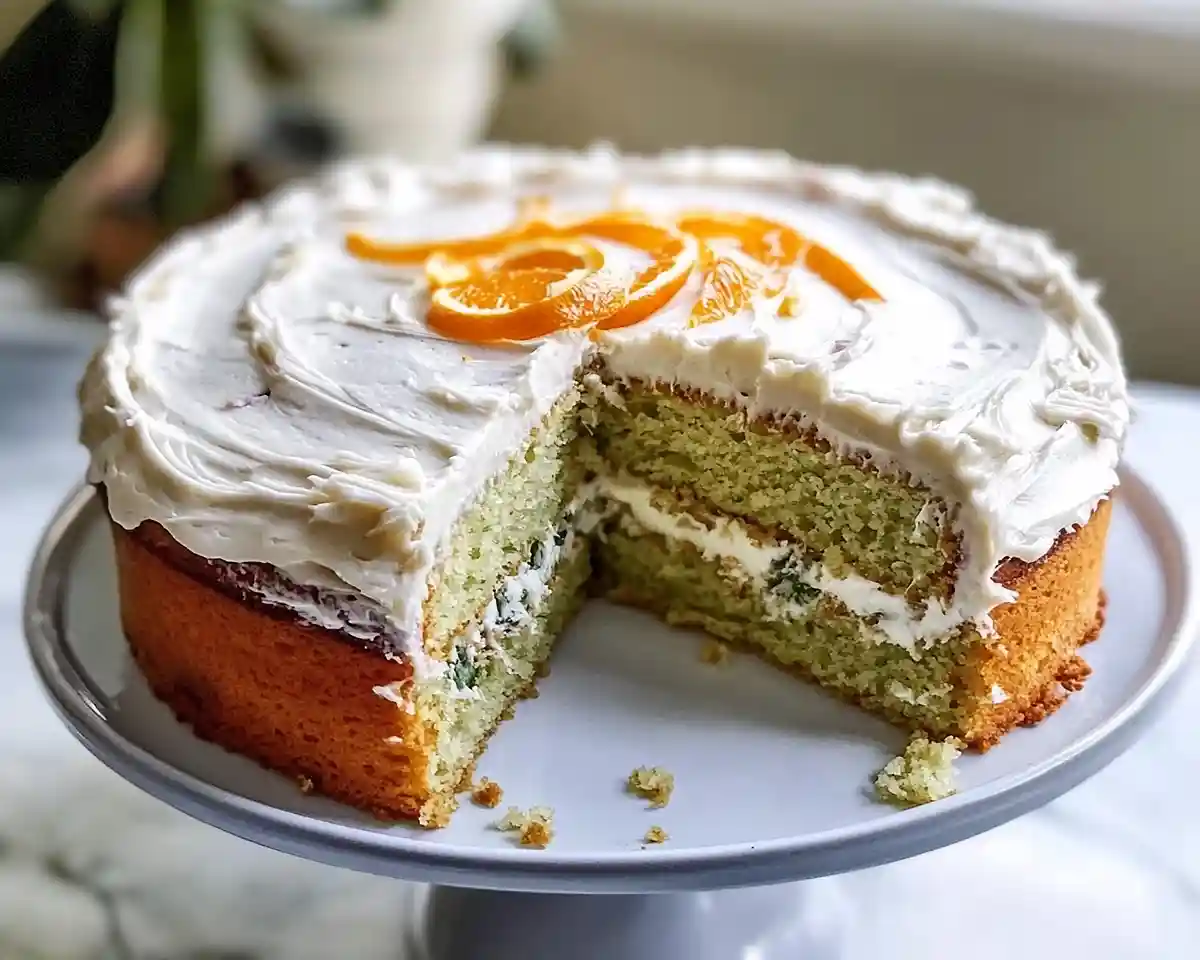
This blood orange olive oil cake recipe delivers moist, tender crumb with bright citrus flavor, creamy buttercream, and optional candied zest—perfect for any celebration!
What Makes This Blood Orange and Olive Oil Cake Special?
This blood orange and olive oil cake combines fruity extra-virgin olive oil, tangy Greek yogurt, fresh blood orange juice, and aromatic citrus zest to create a moist, tender crumb with bright ruby-hued flavor, topped with silky blood orange buttercream frosting and optional candied blood orange zest for an elegant, crowd-pleasing dessert.
I fell for blood oranges during their brief winter season—those gorgeous ruby-streaked beauties practically glow on the kitchen counter. When I first paired them with olive oil instead of butter, magic happened. The olive oil creates this incredibly moist, almost velvety texture that stays fresh for days, while the blood orange adds this complex sweet-tart brightness that butter just can’t match.
Table of Contents
Why You’ll Love This Blood Orange Olive Oil Cake Recipe
This olive oil blood orange cake hits all the right notes without fussing over creaming butter to perfection. I tested this recipe five times before getting the olive oil-to-yogurt ratio just right—trust me, you’ll taste the difference.
Here’s what makes it irresistible:
The olive oil keeps the crumb incredibly tender and moist, even three days later. Unlike butter-based cakes that can dry out quickly, olive oil creates lasting moisture because it remains liquid at room temperature.
Blood oranges deliver this gorgeous rosy hue and sweet-tart complexity that regular oranges simply can’t replicate. Their flavor is almost berry-like with subtle raspberry undertones.
Greek yogurt adds tanginess and creates an ultra-soft texture while keeping the cake from becoming too oily. It’s that secret ingredient bakers whisper about.
The one-bowl method means less cleanup and zero fussy techniques like creaming or folding. According to King Arthur Baking, olive oil cakes are nearly foolproof because you’re just whisking wet into dry—no temperature-sensitive emulsions to worry about.
This cake looks stunning with minimal effort. Those jewel-toned blood orange slices and candied zest make it dinner-party ready without any fancy piping skills required.
For another ultra-tender, citrus-kissed cake, try our fluffy cloud cake—impossibly light with bright lemon notes and a dreamy, airy crumb.
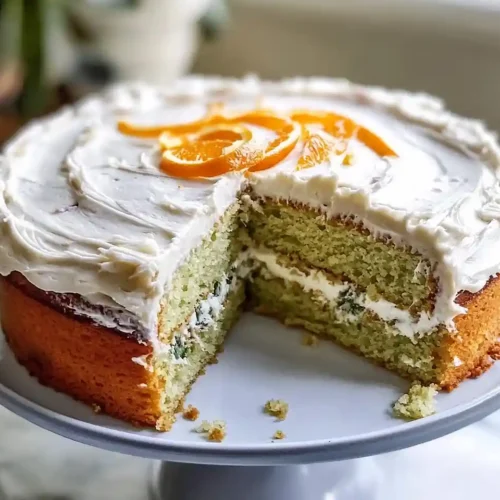
Blood Orange and Olive Oil Cake
Equipment
- 9-inch round cake pan
- medium mixing bowl
- – Wooden spoon
- Microplane or fine grater
- stand mixer or hand mixer
- Serrated knife
- Vegetable peeler
- Small saucepan
- Cake stand or serving platter
- Offset spatula
Ingredients
For the Cake
- 1 ¾ cup all-purpose flour Spoon and level for accuracy
- ⅔ cup sugar white or palm sugar
- ¼ teaspoon baking soda
- ½ teaspoon baking powder Check it’s fresh
- ½ teaspoon salt
- ⅔ cup olive oil Choose fruity, not peppery
- ½ cup plain Greek yogurt Full-fat gives the best texture
- 2 large eggs Room temperature blends easier
- 1 teaspoon vanilla extract Pure, not imitation
- ¼ cup blood orange juice Freshly squeezed is worth it
- 1 blood orange zest From one blood orange
For the Buttercream Frosting
- ½ cup unsalted butter Softened to room temp
- 2 ¼ cups confectioners’ sugar Sifted prevents lumps
- 1 ¼ tablespoons fresh blood orange juice
- 1 tablespoon milk Adjust for consistency
- 1 pinch salt Balances the sweetness
For Candied Blood Orange Zest (Optional)
- 1 blood orange Use a vegetable peeler for wide strips
- ¾ cup water
- ¾ cup granulated sugar Plus more for coating
Instructions
- Preheat your oven to 350°F and position the rack in the center for even heat distribution. Line your 9-inch round cake pan with parchment paper cut to fit the bottom, then spray both the pan and paper with cooking spray to prevent any sticking disasters.
- In a medium bowl, add the blood orange zest to your sugar and use your fingers to rub them together for about 30 seconds. This releases those aromatic citrus oils directly into the sugar—you’ll actually see the sugar turn slightly pink and smell incredible.
- In your large mixing bowl, whisk together the all-purpose flour, baking soda, baking powder, and salt until evenly distributed with no clumps visible. Add your citrus-infused sugar and whisk again, then create a well in the center like a little crater—this helps the wet ingredients incorporate smoothly without overmixing.
- In a separate bowl, crack in your eggs and whisk until the yolks and whites are completely blended and slightly frothy. Add the olive oil, blood orange juice, Greek yogurt, and vanilla extract, whisking continuously until you have a smooth, emulsified mixture with no yogurt lumps floating around.
- Pour your wet mixture into that well you created in the dry ingredients. Using a whisk or wooden spoon, stir from the center outward in gentle circles, gradually incorporating the flour until just combined and no dry streaks remain (a few tiny lumps are totally fine—overmixing develops gluten and creates a tough, dense cake rather than that tender crumb we’re after).
- Pour the batter into your prepared pan, using a spatula to spread it evenly to the edges. Place the pan in the center of your oven rack and bake for 30 minutes, checking at the 25-minute mark. The cake is done when it’s golden brown on top, springs back when gently pressed, and a toothpick inserted into the center comes out clean or with just a few moist crumbs clinging to it.
- Remove the pan from the oven and let it sit on a wire rack for about 10 minutes—this prevents the bottom from getting soggy. Then turn the cake out onto the rack, peel off the parchment, and let it cool completely to room temperature before frosting (warm cake + buttercream = melty disaster).
- Place your softened butter in the bowl of a stand mixer fitted with the paddle attachment and beat on low speed for about 2 minutes until it’s light and fluffy. With the mixer still running, gradually add the confectioners’ sugar, blood orange juice, and milk, then increase to medium speed and beat for another 2 minutes until smooth and creamy. Add a pinch of salt, taste it, and adjust with more milk if it’s too thick or more sugar if you want it sweeter.
- In a small saucepan, combine 3/4 cup water and 3/4 cup granulated sugar, bringing it to a simmer over medium heat while stirring until the sugar completely dissolves. Add your matchstick-sized blood orange zest strips and let them simmer for about 15 minutes—they’ll deepen to this beautiful dark ruby color and turn slightly translucent. Using a slotted spoon, transfer the strips to a plate, then quickly toss them in a bowl of granulated sugar until each piece is coated. Spread them on a parchment-lined sheet pan and let them dry for 30 minutes until they’re no longer sticky.
- If you’re making a layered cake, use a serrated knife to carefully slice off any domed tops for flat, even layers. Place a small dollop of frosting in the center of your cake stand to act as glue, then set your first cake layer cut-side-up. Spread a generous layer of buttercream on top, then invert your second layer and place it on the frosting. Add a beautiful heap of icing to the top, spreading it evenly with an offset spatula or the back of a spoon, creating those lovely swirls that catch the light. Top with candied blood orange zest if you made it, and you’re done.
- Keep leftover slices at room temperature in an airtight container or covered with plastic wrap for up to 4 days—the olive oil keeps it wonderfully moist.
Notes
Nutrition
Nutritional Peek
Here’s what you’re getting per generous slice:
| Nutrient | Per Serving (1/8 of cake) |
|---|---|
| Calories | 485 |
| Protein | 5g |
| Carbohydrates | 68g |
| Fat | 22g |
| Fiber | 1g |
| Sugar | 52g |
What You’ll Need for This Blood Orange Cake with Olive Oil
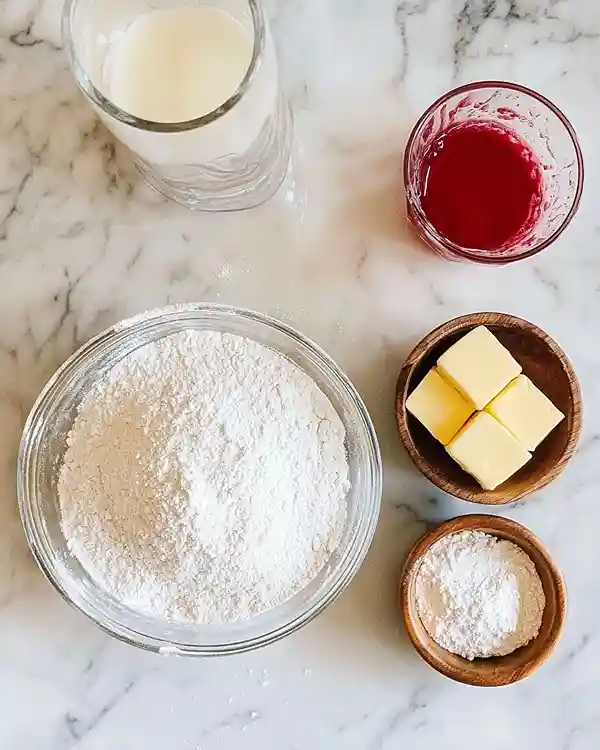
Creating this blood orange olive oil cake recipe starts with quality ingredients—especially that olive oil. Use a fruity extra-virgin variety, not something overly peppery or bitter.
| Amount | Ingredient | Notes |
|---|---|---|
| For the Cake: | ||
| 1¾ cups | All-purpose flour | Spoon and level for accuracy |
| ⅔ cup | Sugar (white or palm sugar) | I love rubbing the zest into the sugar first |
| ¼ teaspoon | Baking soda | |
| ½ teaspoon | Baking powder | Check it’s fresh—old leaveners = flat cake |
| ½ teaspoon | Salt | Don’t skip this flavor booster |
| ⅔ cup | Olive oil | Choose fruity, not peppery |
| ½ cup | Plain Greek yogurt | Full-fat gives the best texture |
| 2 | Large eggs | Room temperature blends easier |
| 1 teaspoon | Vanilla extract | Pure, not imitation |
| ¼ cup | Blood orange juice | Freshly squeezed is worth it |
| Zest from 1 | Blood orange | The aromatic oils live here |
| For the Buttercream Frosting: | ||
| ½ cup | Unsalted butter | Softened to room temp |
| 2¼ cups | Confectioners’ sugar | Sifted prevents lumps |
| 1¼ tablespoons | Fresh blood orange juice | |
| 1 tablespoon | Milk | Adjust for consistency |
| Pinch | Salt | Balances the sweetness |
| For Candied Blood Orange Zest (Optional): | ||
| 1 | Blood orange | Use a vegetable peeler for wide strips |
| ¾ cup | Water | |
| ¾ cup | Granulated sugar | Plus more for coating |
Equipment You’ll Need
Essential Tools:
- 9-inch round cake pan (or 8-inch for a taller cake)
- Parchment paper
- Medium and large mixing bowls
- Whisk and wooden spoon
- Microplane or fine grater for zesting
- Wire cooling rack
- Stand mixer or hand mixer (for frosting)
- Serrated knife for leveling
Optional But Helpful:
- Vegetable peeler (for candied zest strips)
- Small saucepan (for candying)
- Cake stand or serving platter
- Offset spatula (makes frosting so much easier)
How to Make Blood Orange and Olive Oil Cake
This blood orange olive oil cake comes together faster than you’d think—no creaming butter for ten minutes here. Just whisk, pour, and bake your way to citrus heaven.
1. Prep your workspace. Preheat your oven to 350°F and position the rack in the center for even heat distribution. Line your 9-inch round cake pan with parchment paper cut to fit the bottom, then spray both the pan and paper with cooking spray to prevent any sticking disasters.
2. Infuse the sugar with citrus oils. In a medium bowl, add the blood orange zest to your sugar and use your fingers to rub them together for about 30 seconds. This releases those aromatic citrus oils directly into the sugar—you’ll actually see the sugar turn slightly pink and smell incredible.
3. Combine your dry ingredients. In your large mixing bowl, whisk together the all-purpose flour, baking soda, baking powder, and salt until evenly distributed with no clumps visible. Add your citrus-infused sugar and whisk again, then create a well in the center like a little crater—this helps the wet ingredients incorporate smoothly without overmixing.
4. Mix the wet ingredients. In a separate bowl, crack in your eggs and whisk until the yolks and whites are completely blended and slightly frothy. Add the olive oil, blood orange juice, Greek yogurt, and vanilla extract, whisking continuously until you have a smooth, emulsified mixture with no yogurt lumps floating around.
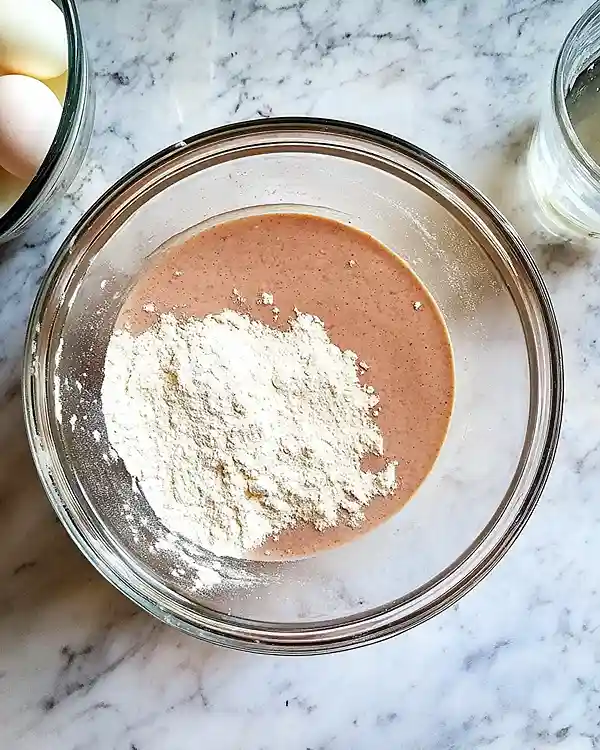
5. Bring it all together. Pour your wet mixture into that well you created in the dry ingredients.
Using a whisk or wooden spoon, stir from the center outward in gentle circles, gradually incorporating the flour until just combined and no dry streaks remain (a few tiny lumps are totally fine—overmixing develops gluten and creates a tough, dense cake rather than that tender crumb we’re after).
6. Bake to golden perfection. Pour the batter into your prepared pan, using a spatula to spread it evenly to the edges. Place the pan in the center of your oven rack and bake for 30 minutes, checking at the 25-minute mark.
The cake is done when it’s golden brown on top, springs back when gently pressed, and a toothpick inserted into the center comes out clean or with just a few moist crumbs clinging to it.
7. Cool completely. Remove the pan from the oven and let it sit on a wire rack for about 10 minutes—this prevents the bottom from getting soggy. Then turn the cake out onto the rack, peel off the parchment, and let it cool completely to room temperature before frosting (warm cake + buttercream = melty disaster).
8. Make the buttercream frosting. Place your softened butter in the bowl of a stand mixer fitted with the paddle attachment and beat on low speed for about 2 minutes until it’s light and fluffy.
With the mixer still running, gradually add the confectioners’ sugar, blood orange juice, and milk, then increase to medium speed and beat for another 2 minutes until smooth and creamy. Add a pinch of salt, taste it, and adjust with more milk if it’s too thick or more sugar if you want it sweeter.
9. Create candied blood orange zest (optional but gorgeous). In a small saucepan, combine ¾ cup water and ¾ cup granulated sugar, bringing it to a simmer over medium heat while stirring until the sugar completely dissolves.
Add your matchstick-sized blood orange zest strips and let them simmer for about 15 minutes—they’ll deepen to this beautiful dark ruby color and turn slightly translucent. Using a slotted spoon, transfer the strips to a plate, then quickly toss them in a bowl of granulated sugar until each piece is coated.
Spread them on a parchment-lined sheet pan and let them dry for 30 minutes until they’re no longer sticky.
10. Assemble and frost. If you’re making a layered cake, use a serrated knife to carefully slice off any domed tops for flat, even layers. Place a small dollop of frosting in the center of your cake stand to act as glue, then set your first cake layer cut-side-up.
Spread a generous layer of buttercream on top, then invert your second layer and place it on the frosting. Add a beautiful heap of icing to the top, spreading it evenly with an offset spatula or the back of a spoon, creating those lovely swirls that catch the light. Top with candied blood orange zest if you made it, and you’re done.
11. Store properly. Keep leftover slices at room temperature in an airtight container or covered with plastic wrap for up to 4 days—the olive oil keeps it wonderfully moist.
Pro Tips & Baking Guidance
Making an olive oil blood orange cake successfully comes down to a few key techniques I’ve learned through plenty of trial and error (and some enthusiastic taste-testing).
Room temperature ingredients matter more than you think. Cold eggs and yogurt won’t emulsify properly with the olive oil, creating a separated, greasy batter instead of a smooth mixture.
According to Serious Eats, ingredients at similar temperatures blend into a stable emulsion—when there’s a temperature difference greater than 10°C between fats and liquids, the mixture can break, resulting in a grainy, uneven texture. Let your eggs and yogurt sit out for 30 minutes before mixing.
Don’t judge olive oil cakes by butter cake standards. The batter will look thinner and more liquid than you’re used to—that’s completely normal. Olive oil doesn’t create the same thick, fluffy batter that creamed butter does, but it produces an incredibly moist crumb that actually improves over the next couple of days as the flavors meld together.
Choose your olive oil wisely. Go for a fruity, mild extra-virgin olive oil rather than a peppery or super-grassy one. I learned this the hard way when a particularly strong Tuscan olive oil turned my first attempt into a savory situation. Save the fancy, robust oils for salad dressings and use something mellow and buttery for baking.
The zest-sugar rubbing technique is non-negotiable. Those essential oils in the blood orange zest are fat-soluble, so rubbing them into the sugar creates tiny flavor pockets throughout your cake. Just mixing zest into the batter won’t distribute that bright citrus flavor nearly as effectively—you want every single bite singing with orange notes.
What If Things Go Wrong?
Even experienced bakers hit snags sometimes. Here are the most common issues and their simple fixes.
Why is my cake sunken in the middle? This usually means your oven temperature was too high, causing the outside to set before the center finished rising, or you opened the oven door too early and let out crucial heat. Use an oven thermometer to check accuracy (mine runs 25°F hot!), and resist peeking before the 25-minute mark.
What if my batter seems too thin and runny? Don’t panic—olive oil cake batter is naturally more liquid than butter-based batters. As long as you measured correctly, it’ll bake up beautifully. If you’re genuinely concerned, add 1-2 tablespoons more flour, but honestly, the thin batter usually isn’t a problem.
My buttercream frosting is too runny—help! You likely added too much liquid or your butter was too soft and almost melted. Pop the whole bowl in the fridge for 10-15 minutes to firm up, then beat it again. If it’s still loose, gradually add more confectioners’ sugar a tablespoon at a time until you reach spreadable consistency.
Why did my cake stick to the pan even though I greased it? Parchment paper is your insurance policy here. Always line the bottom with parchment AND spray both the pan and paper. If you skipped the paper, run a thin knife around the edges immediately after removing from the oven, then let it cool for exactly 10 minutes before inverting—not longer or shorter.
What if I can’t find blood oranges? Regular oranges work perfectly fine, though you’ll lose that gorgeous rosy color and slightly berry-like flavor. You could also try Cara Cara oranges as a middle ground—they’re pink inside and have a sweeter, less acidic taste than regular navels.
Creative Variations & Flavor Twists
Starting with this blood orange cake with olive oil as your base, you can spin off in so many delicious directions depending on the season or your pantry.
Go dairy-free: Swap the Greek yogurt for coconut yogurt (the thick, full-fat kind works best) and use plant-based butter for the frosting. The texture stays beautifully moist, and you get a subtle tropical undertone that’s actually really lovely with the citrus.
Try a glaze instead of frosting: For a simpler finish, skip the buttercream and make a glossy blood orange glaze by whisking together 1½ cups confectioners’ sugar with 2-3 tablespoons blood orange juice until pourable.
Add pistachios for texture: Fold ½ cup finely chopped pistachios into the batter before baking. The nuts add wonderful crunch and that classic Mediterranean pairing with citrus and olive oil. Sprinkle more on top of the frosting for a showstopper presentation.
Make it boozy: Replace one tablespoon of the blood orange juice in the cake with Cointreau, Grand Marnier, or Campari for grown-up complexity. The alcohol bakes off but leaves behind sophisticated flavor notes that pair beautifully with the fruity olive oil.
How to Serve, Store & Reheat
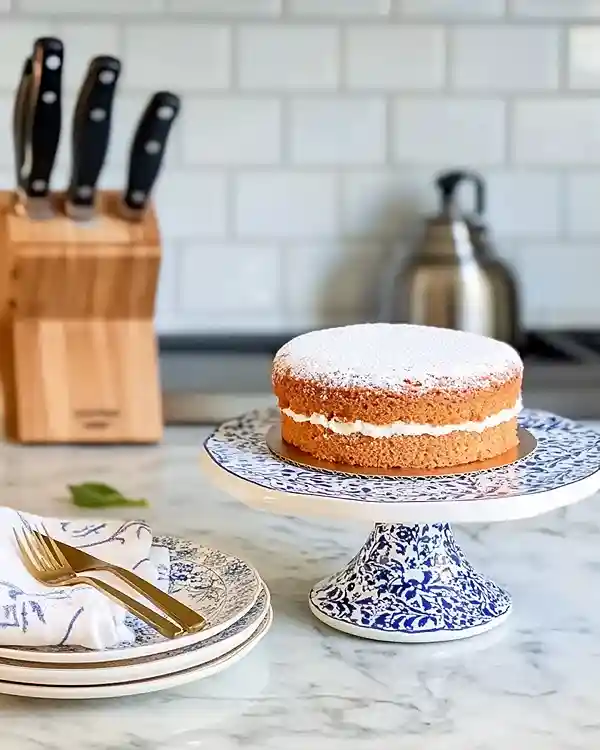
This blood orange olive oil cake is actually one of those magical desserts that tastes even better the next day—those flavors really meld and deepen overnight.
Serving suggestions: I love serving this at room temperature with a dollop of barely sweetened whipped cream or a small scoop of vanilla gelato. The cool creaminess plays beautifully against the bright citrus and rich olive oil. For a fancy touch, garnish each slice with fresh blood orange segments and a tiny sprig of fresh rosemary.
Storage tips: Keep the cake covered at room temperature for up to 4 days if your kitchen isn’t too hot. If it’s frosted with buttercream and your house is warm, refrigerate it but bring slices to room temperature for 20 minutes before serving so the olive oil softens and the flavors bloom. Unfrosted cake can be wrapped tightly in plastic wrap and frozen for up to 3 months.
Reheating advice: Honestly, this cake is perfect at room temperature, but if you want it warm, microwave individual slices for 10-15 seconds just to take the chill off. Don’t overdo it or the frosting will melt into a puddle (though I won’t judge if you’re into that).
No-Waste Kitchen Magic
Blood oranges are precious during their short season, so let’s use every bit of these beauties and minimize waste wherever we can.
Save that syrup from candying: Don’t toss the blood orange-infused simple syrup left after making candied zest. It’s liquid gold for cocktails, drizzling over pancakes, or brushing onto cake layers for extra moisture. Store it in a jar in the fridge for up to 2 weeks.
Use leftover egg whites: If you have egg whites from another recipe, you can substitute ¼ cup egg whites for one whole egg in this cake. Or freeze them in ice cube trays for future meringues and macarons.
Repurpose cake scraps: Those tops you trimmed off for level layers? Crumble them and toast lightly in the oven until golden, then use as a crunchy topping for yogurt bowls, ice cream sundaes, or layer into a trifle with cream and fresh berries.
Freeze cake layers: Made too much? Wrap unfrosted cake layers individually in plastic wrap, then foil, and freeze for up to 3 months. Thaw overnight in the fridge before frosting—perfect for when you need a last-minute dessert.
Your Questions Answered
Can I make this blood orange and olive oil cake ahead of time?
Absolutely—this is actually one of the best make-ahead cakes. Bake the layers up to 2 days in advance, wrap them tightly in plastic wrap, and store at room temperature.
What’s the best substitute for Greek yogurt in this recipe?
Sour cream works perfectly as a 1:1 swap and gives you that same tangy richness and tender crumb. You can also use full-fat buttermilk, though the batter will be slightly thinner.
Why did my blood orange olive oil cake turn out dense instead of light?
This usually happens from overmixing once you combine wet and dry ingredients, which develops too much gluten and creates a tough, compact crumb.
Can I use regular oranges if blood oranges aren’t in season?
You definitely can, though you’ll miss out on that stunning ruby color and the complex, slightly berry-like flavor blood oranges bring.
How do I know when the cake is perfectly baked and not overdone?
Your cake is ready when the top is golden brown and springs back when gently pressed in the center, and a toothpick inserted in the middle comes out clean or with just a few moist crumbs attached.
What type of olive oil should I use for baking this cake?
Choose a mild, fruity extra-virgin olive oil rather than a peppery, robust one. You want the olive oil to add richness and moisture without overpowering the delicate blood orange flavor.
Can I freeze this blood orange cake with olive oil?
Yes, and it freezes beautifully. Wrap unfrosted cake layers tightly in plastic wrap, then aluminum foil, and freeze for up to 3 months. Thaw overnight in the refrigerator before bringing to room temperature and frosting.
Celebrate with Every Slice
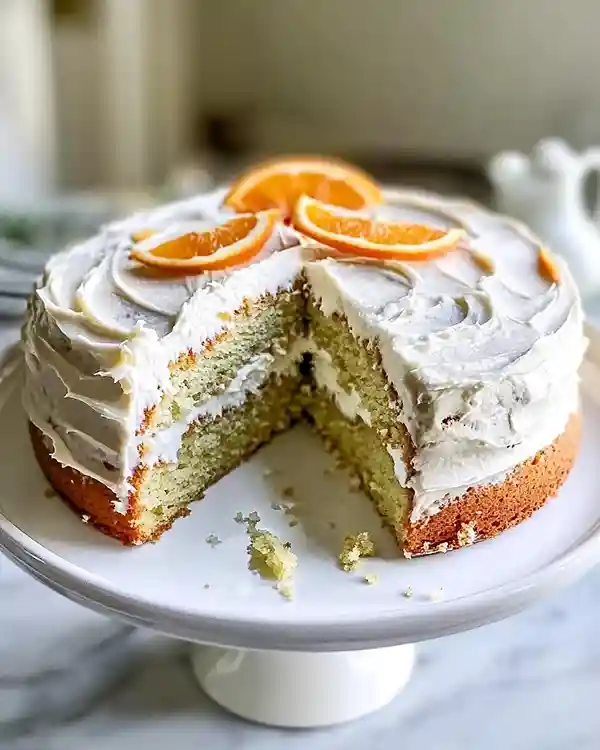
This blood orange and olive oil cake has become my go-to celebration dessert whenever I want something that looks impressive but doesn’t require pastry school skills.
Those jewel-toned blood orange slices practically glow on the plate, and every bite delivers this perfect balance of bright citrus, rich olive oil, and creamy frosting that people genuinely can’t stop talking about.
I’d love to hear how yours turns out! Drop a comment below with your photos and any creative twists you tried. And if you’re hooked on Mediterranean-inspired desserts.